Sponsored
In partnership with Autotrader
Used hybrid test: Hyundai Ioniq vs Toyota Prius: interiors
The Hyundai Ioniq has always been one of our favourite hybrid cars, but how does it stack up against the iconic Toyota Prius as a used buy? We have the answer
Interiors
Driving position, visibility, build quality, practicality
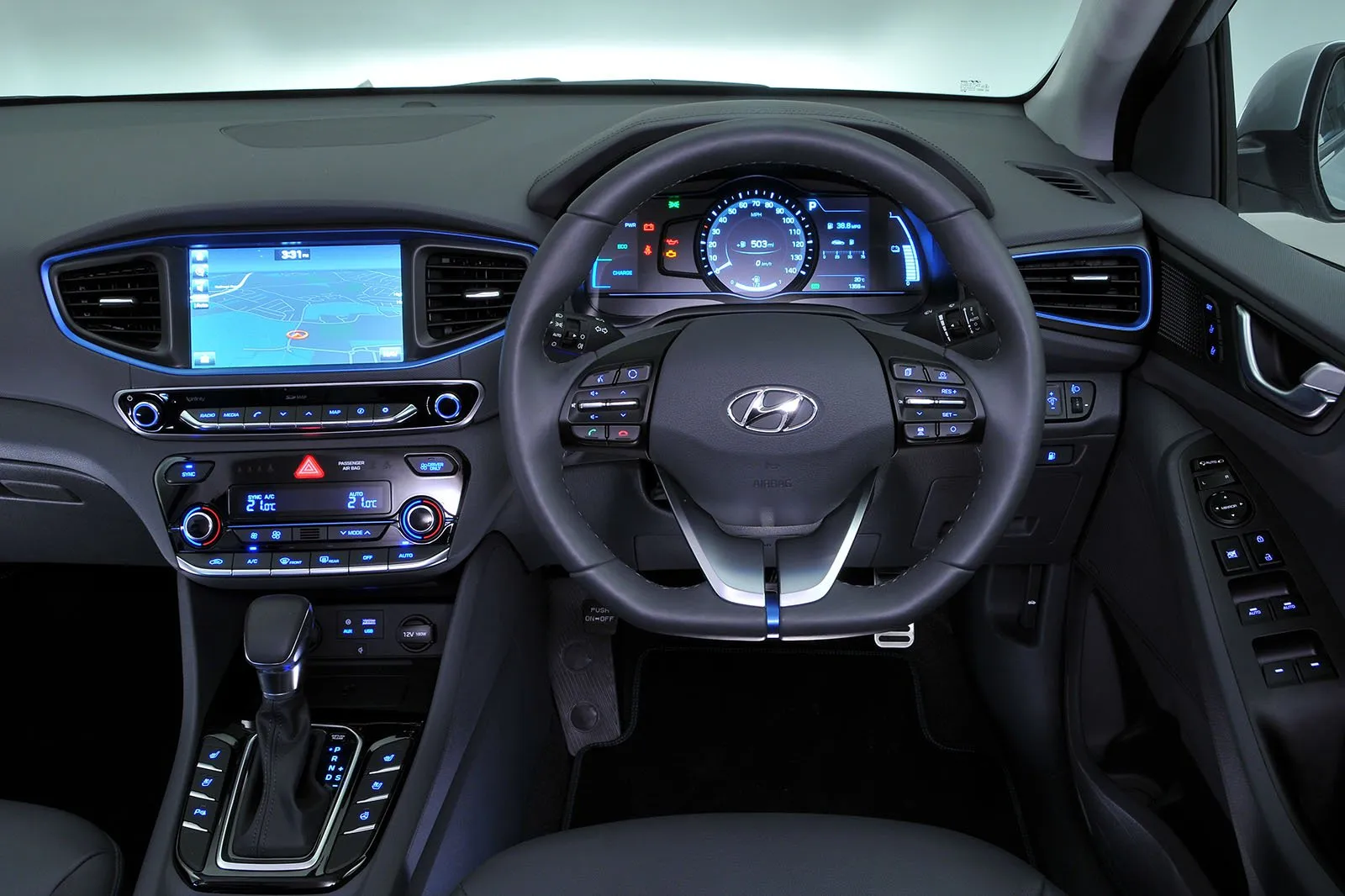
Both cars have a reach and height-adjustable steering wheel – in the Hyundai Ioniq it has a slightly bigger range of movement – and height-adjustable driver’s seats, so it’s easy to find a good driving position. Both driver’s seats have standard electric lumbar adjustment and, although both are comfortable, the Toyota Prius seats have slightly softer cushions.
advertisement
scroll for more
Neither car has a great view out of the back because of their thick rear pillars and vertical bar halfway up the rear screen. Both win back points for having standard-fit reversing cameras, while the Ioniq also gets rear parking sensors, which are optional on the Prius.
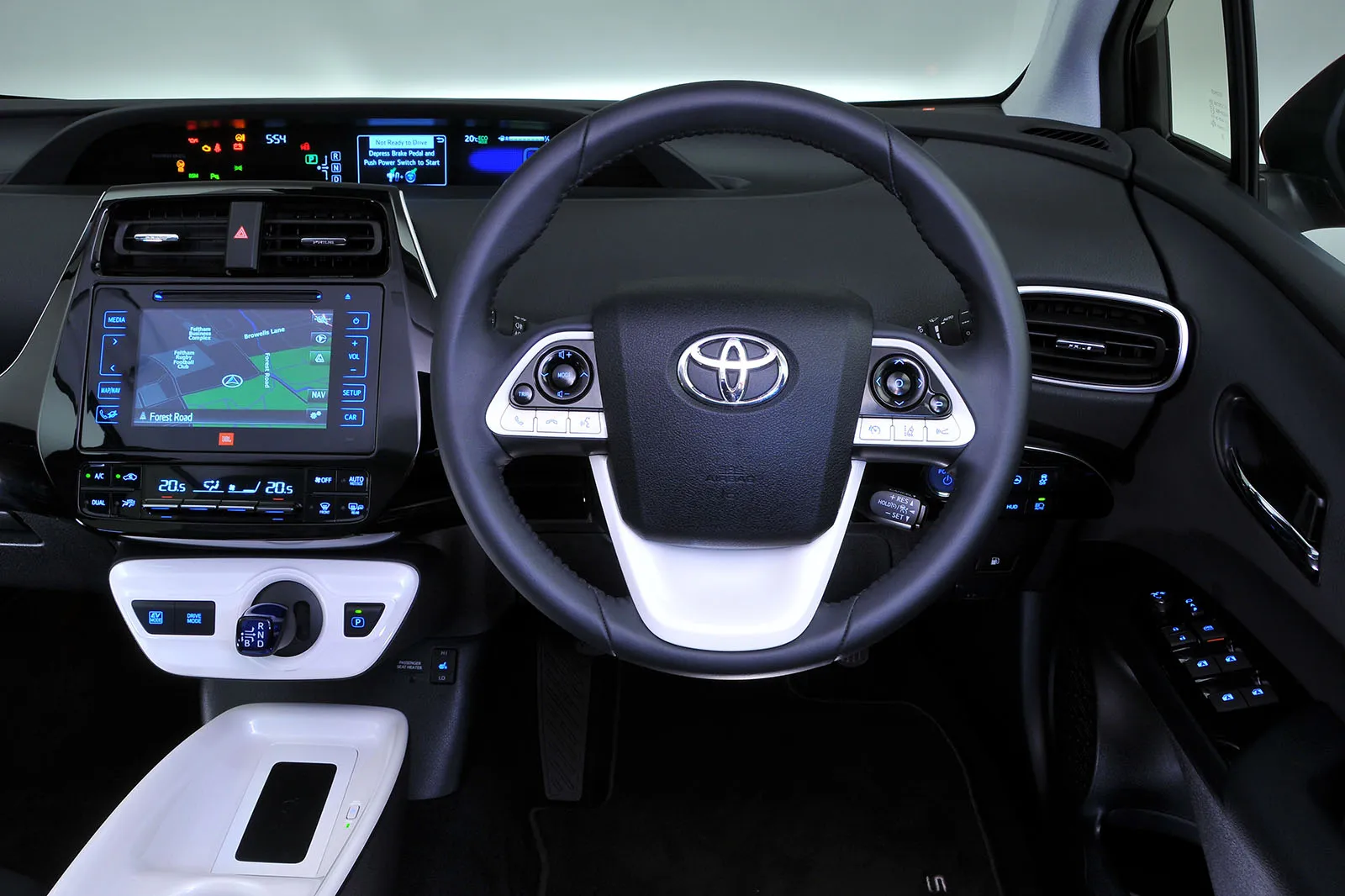
The Ioniq’s dashboard is easier to use. Its buttons are more clearly identifiable at a glance, and it has a much better infotainment system. Both cars have touchscreens as standard (8.0in in the Ioniq and 7.0in in the Prius), but while the Ioniq’s is responsive to commands and intuitive to navigate, the Prius’s has jerky graphics and confusing menus. Plus, you have to pay extra for sat-nav on the Prius, while the Ioniq provides it as standard.

Steve Huntingford
Updated: 24 December 2021
Car reviews
New Toyota Prius
View all new car reviews
Neither car feels quite as premium as the VW Golf inside, but the Ioniq comes close. Its interior is arguably less interesting than the Prius’s, but the materials in the Ioniq are denser and more upmarket, and everything feels better screwed together.
advertisement
scroll for more
A six-footer has the head and leg room to stretch out in the front of both cars. Storage options are generous too, including large door bins and stacks of oddment space.
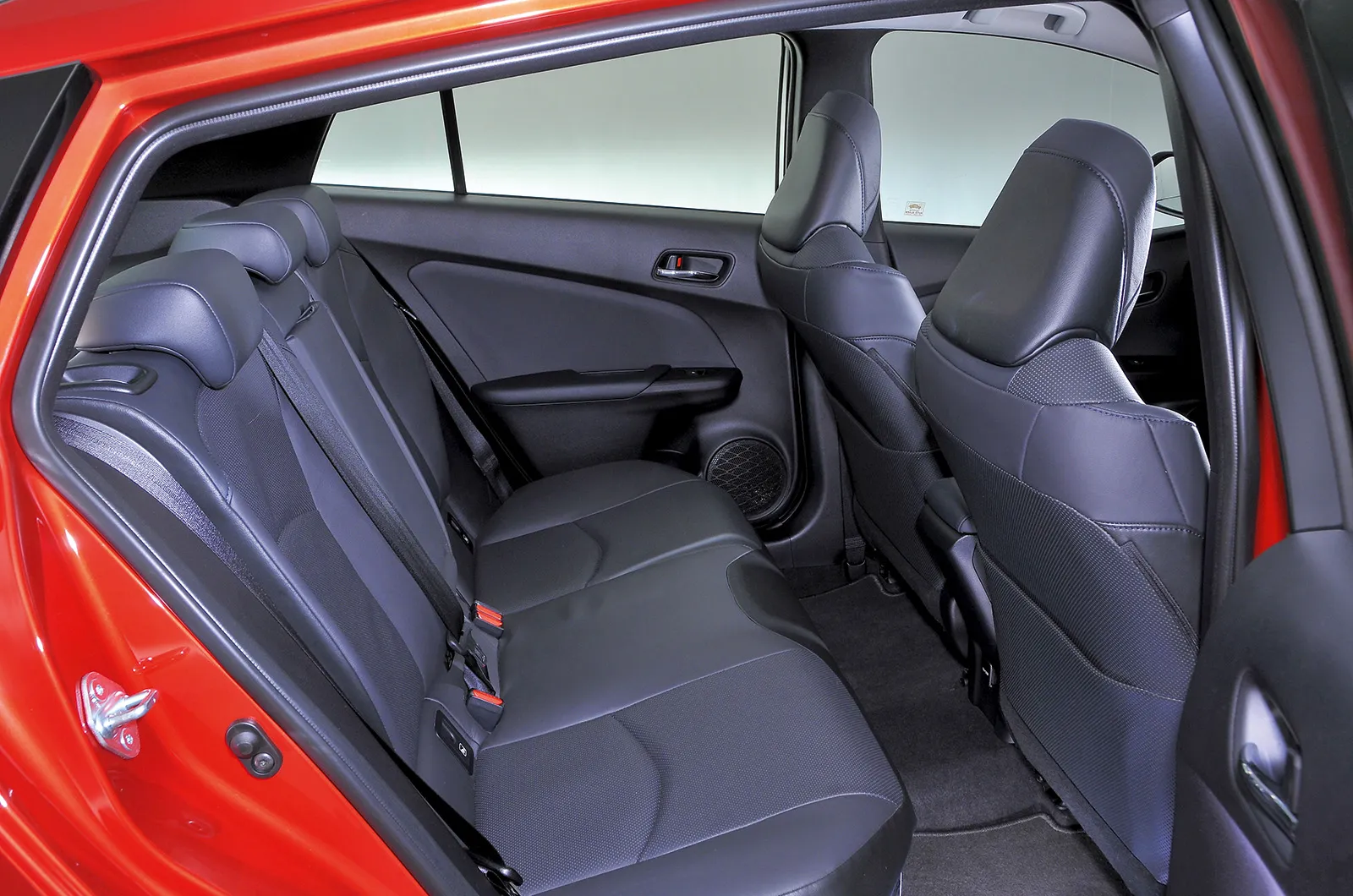
The Toyota Prius wins for rear leg room, although the Hyundai Ioniq is decent enough. Both cars suffer similar head room issues due to their swooping rooflines (needed for aerodynamics), and if you’re much more than 5ft 10in tall, your hair will probably brush the rooflining.
Both cars have good-sized boots with room for several large shopping bags. The Ioniq’s is deeper, but the Prius’s gets the nod because it’s wider and easier to fit awkward items into (a buggy or a set of golf clubs, for example). When you drop the standard 60/40 split folding rear seats in either car, you’re left with an annoying step in the floor of the extended load bay.
<< Previous | Next: How much will they cost to run? >>
Page 2 of 4
Used
News and advice
Sponsored
What Car? Reliability Survey: Most and least reliable executive cars
Sponsored
Best-selling vans in the UK: Electric van sales rise but still miss official targets
News
Deal of the Day: Lease a Leapmotor C10 Hybrid from £186 per month
Best of

Best-selling cars 2026: new car market grows in October
News
Renault Trafic E-Tech van to offer 292-mile range for £38k
Feature