News
Updated Hyundai Tucson gets radical new styling and longer PHEV range
2027 will bring a boxy, minimalist look for Hyundai’s best-selling model
On sale 2027 Price from £33,000 (est)
It may be named after a city in the heart of the Arizona desert, but the next-generation Hyundai Tucson will hit our roads next year looking like something that’s just landed from outer space.
advertisement
scroll for more
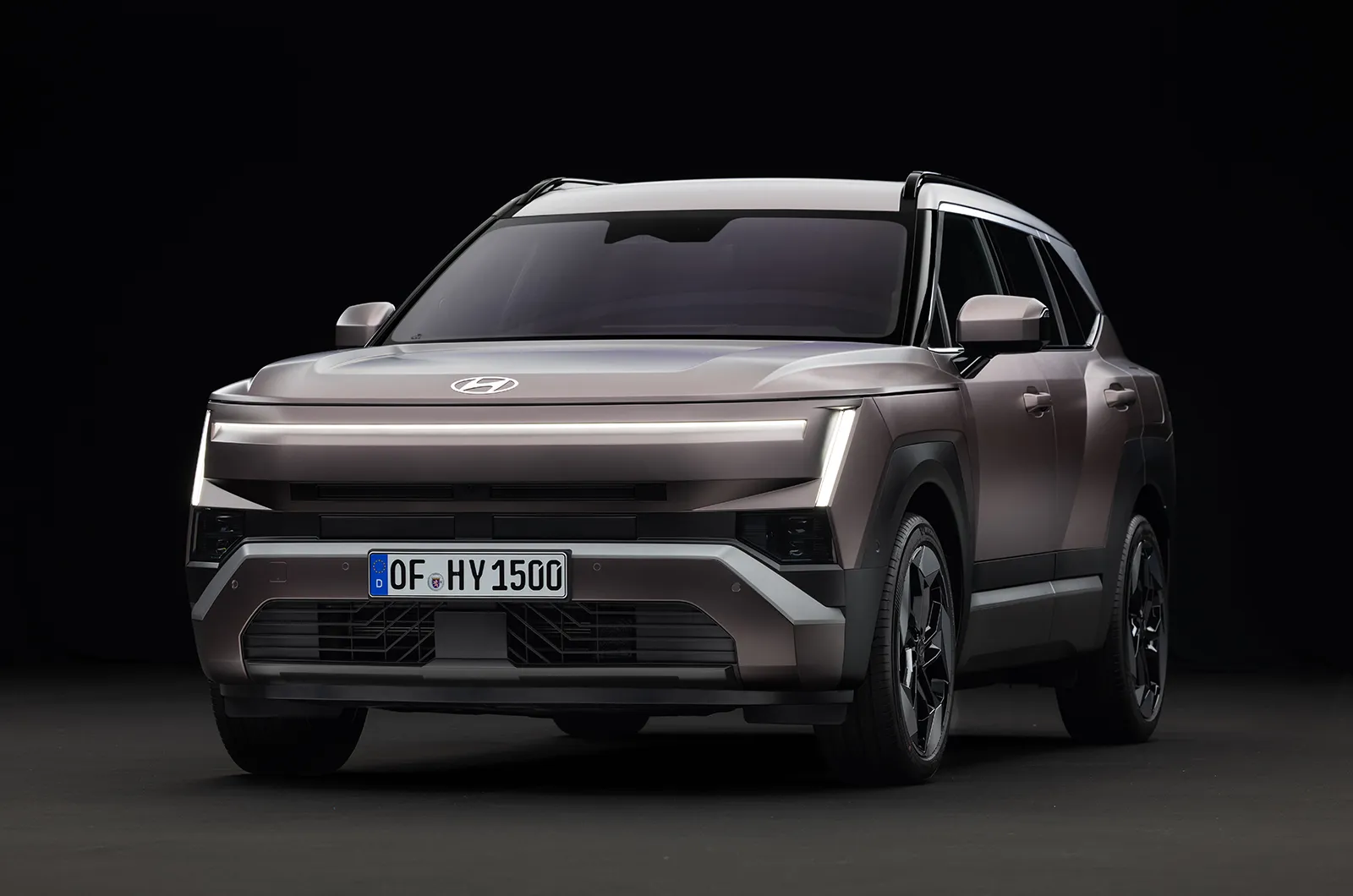
Indeed, now confirmed for Europe, the next generation of Hyundai's best-selling model will take on an entirely new design language, inspired by the brand's ‘Art of Steel’ philosophy. This styling was first introduced on the second-generation Nexo last year, and is more recently featured on the new Ioniq 3 electric hatchback.
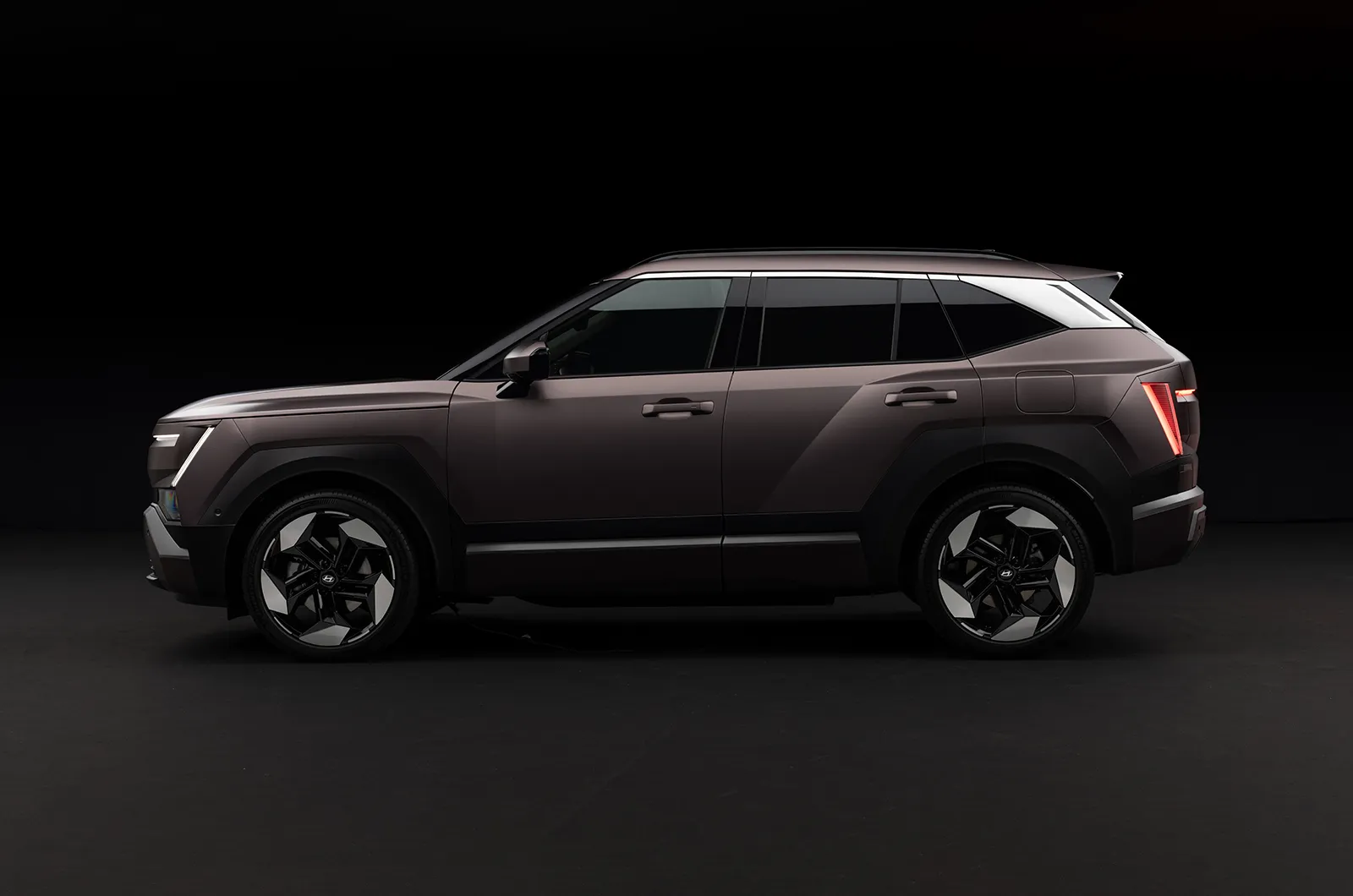
In fact, the Art of Steel treatment has rendered the Tucson practically unrecognisable. It's taken on an altogether more rugged SUV look, with chunky new body cladding, huge wheel arches and skid plates, but also incorporating modern, blocky lines that make it look right at home on the sand dunes of both Arizona and Mars. There's a more upright silhouette far removed from the current car’s more rounded shape, with a blocky body and bluff front end. It gets new LED lightbars spanning the width of the front and rear bumpers alongside new vertical daytime running lights to form an ‘H’ shape.

Eleanor Cooper
Updated: 1 October 2026
Car reviews
Kia Sportage
Hyundai Ioniq 3
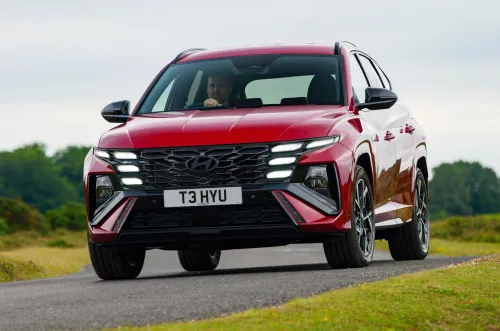
Hyundai Tucson
View all new car reviews
The Tucson has grown in all directions, measuring at 50mm longer, 35mm wider and 20mm taller than the outgoing model. This should make for improved space inside.
advertisement
scroll for more
Engine options remain unchanged from before, but you'll now have the option to choose between two- and four-wheel drive with all three engine choices.
As before, the range kicks off with the 148bhp 1.6-litre petrol engine, which can be had with either a six-speed manual gearbox and two-wheel drive, or a seven-speed automatic gearbox and four-wheel drive. The latter can achieve a 0-62mph sprint in 9.9sec. That's not particularly speedy; entry-level versions of the Kia Sportage and Nissan Qashqai are both quicker.
Stepping up to the hybrid option gets you 235bhp and a six-speed automatic gearbox, regardless of whether you opt for two-wheel drive or four-wheel drive. The former will complete a 0-62mph sprint in 8.3sec – slightly slower than the outgoing Tucson hybrid.
At the top of the range sits the plug-in hybrid (PHEV) option, which still uses a 1.6-litre turbocharged petrol engine, but there's a new, bigger 17.1kWh battery, which allows for a longer electric-only range of 50 miles. That's seven miles more than what the previous Tucson PHEV offered, and it's better than what the rival Ford Kuga and Kia Sportage can manage. Power output has increased to 284bhp, giving the four-wheel-drive model a 0-62mph sprint time of 7.9sec.
advertisement
scroll for more
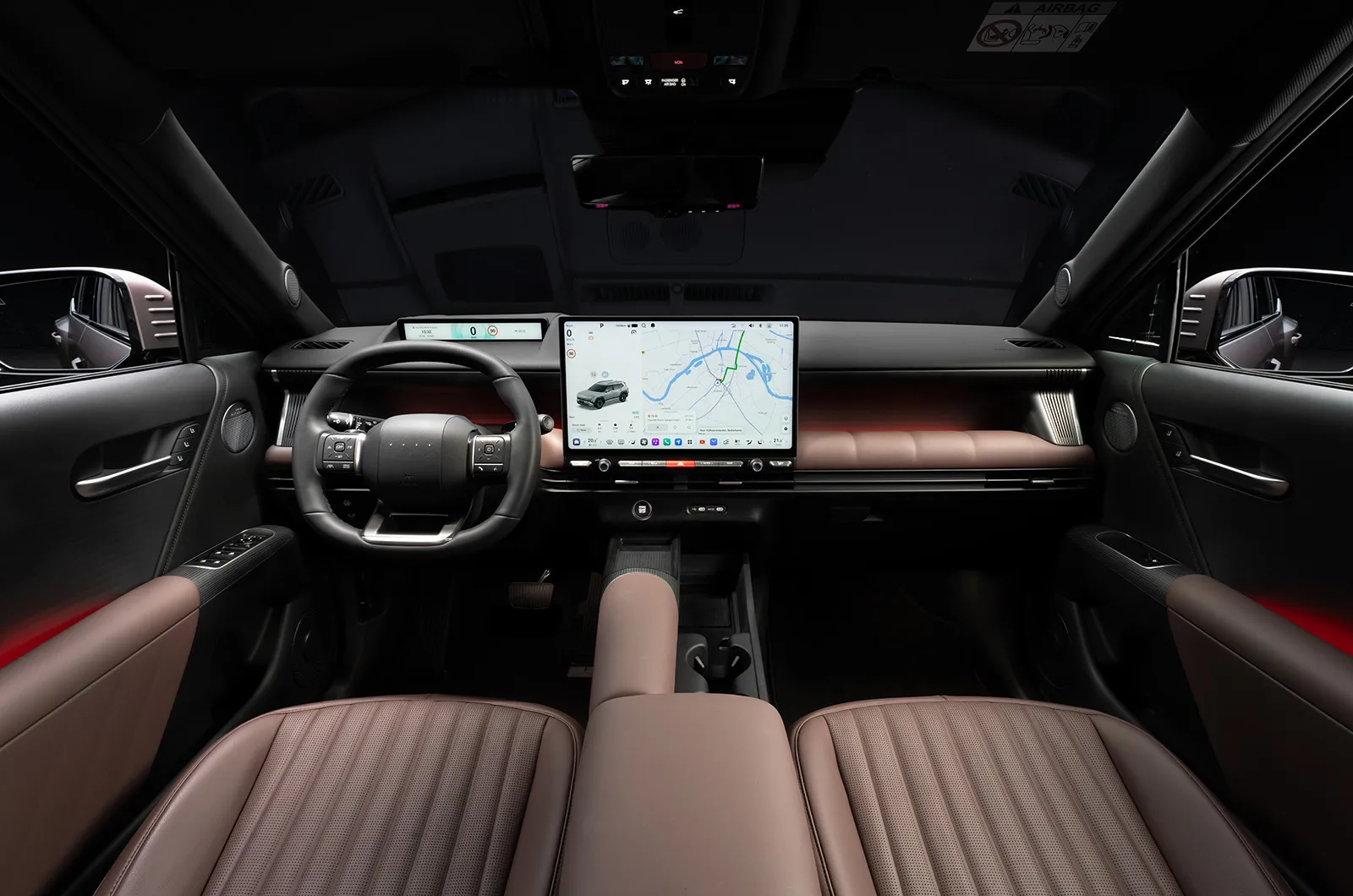
Inside, the new Tucson gets a layout similar to what’s on offer in the new Ioniq 3, with a large infotainment touchscreen (12.9in or 17.0in depending on the version you opt for) in the middle of the dashboard alongside a 9.9in high-set digital instrument panel that you look at over the steering wheel. This infotainment system gets a new Android-based operating system with Android Auto and Apple CarPlay smartphone compatibility and built-in sat-nav. It replaces the dual-12.3in-screen set-up you get in the current Tucson.
We've already had the chance to play around with the Tucson's new infotainment system and found it to be pleasantly responsive and easy to navigate. The digital driver's display has sharp graphics and is positioned in such a way that you have to look over the steering wheel to see the information – a positioning that has proved to be problematic for some drivers in other cars, such as ones that use Peugeot's iCockpit system.
There's a row of physical buttons below the touchscreen for climate control, as well as dials for the audio.
advertisement
scroll for more
The Tucson has grown in size, and that has had a positive effect on interior space. There's plenty of room in the rear for taller passengers to get comfortable, even in the slightly-raised middle seat – though middle passengers will need to straddle a small tunnel. The rear doors also open very wide, making it easy to get in and out, and to fit child car seats.
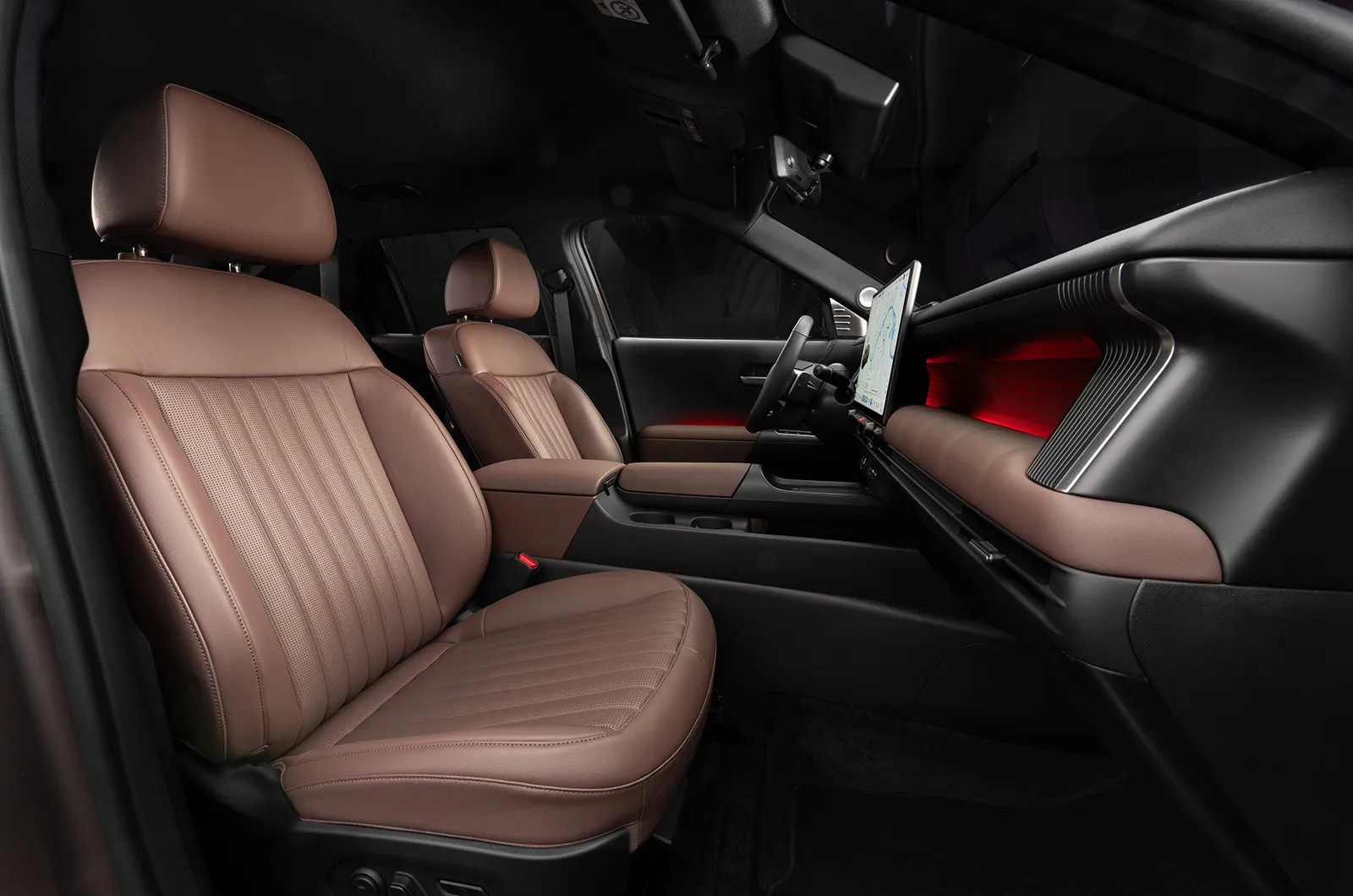
Boot space has increased from 620 litres to 695 litres, which is more than what you get in most rivals, including the Kuga, Sportage and Nissan Qashqai. The rear seats fold in a handy 40/20/40 split, while some versions of the Tucson get sliding rear seats so you can prioritise boot space or rear leg room depending on your needs.
Deliveries of the new Tucson are expected to start in March 2027. Full UK pricing and specification is still yet to be revealed, but it's likely the next-gen Tucson will rise slightly in price when it arrives next year. The current model starts at £30,985, while rivals like the Kia Sportage and Nissan Qashqai are in a similar ballpark.
advertisement
scroll for more
For all the latest reviews, advice and new car deals, sign up to the What Car? newsletter here
Read more: Best family SUVs >>
Industry news
News and advice
News
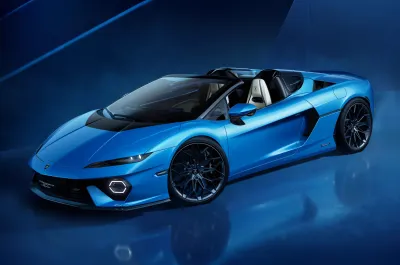
New Lamborghini Temerario Spyder adds drop-top thrills to V8-powered sports car
Sponsored

The most reliable 7-seaters - and and the least
Best of
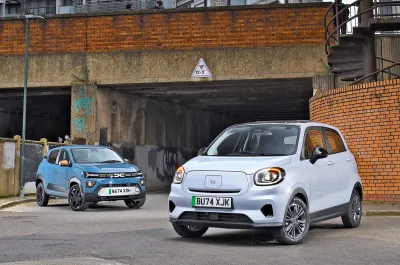
The 10 cheapest new cars you can buy - reviewed and rated
News
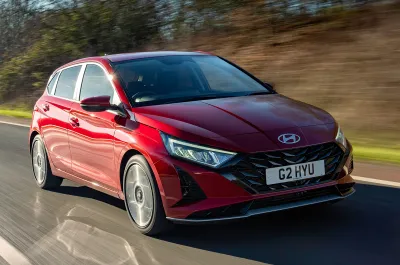
Deal of the Day: Buy a Hyundai i20 from £175 per month
News
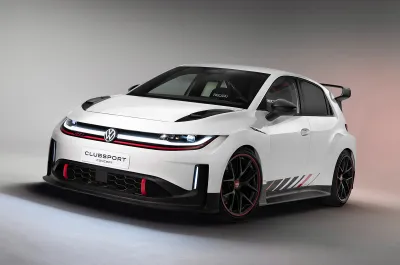
New Volkswagen ID Polo GTI Clubsport Concept previews spicy 362bhp electric hot hatch
News