Feature
New Mercedes GLC Electric vs BMW iX3
Mercedes-Benz has poured all of its know-how into its latest electric SUV – but is it enough to beat our reigning Car of the Year, the BMW iX3?
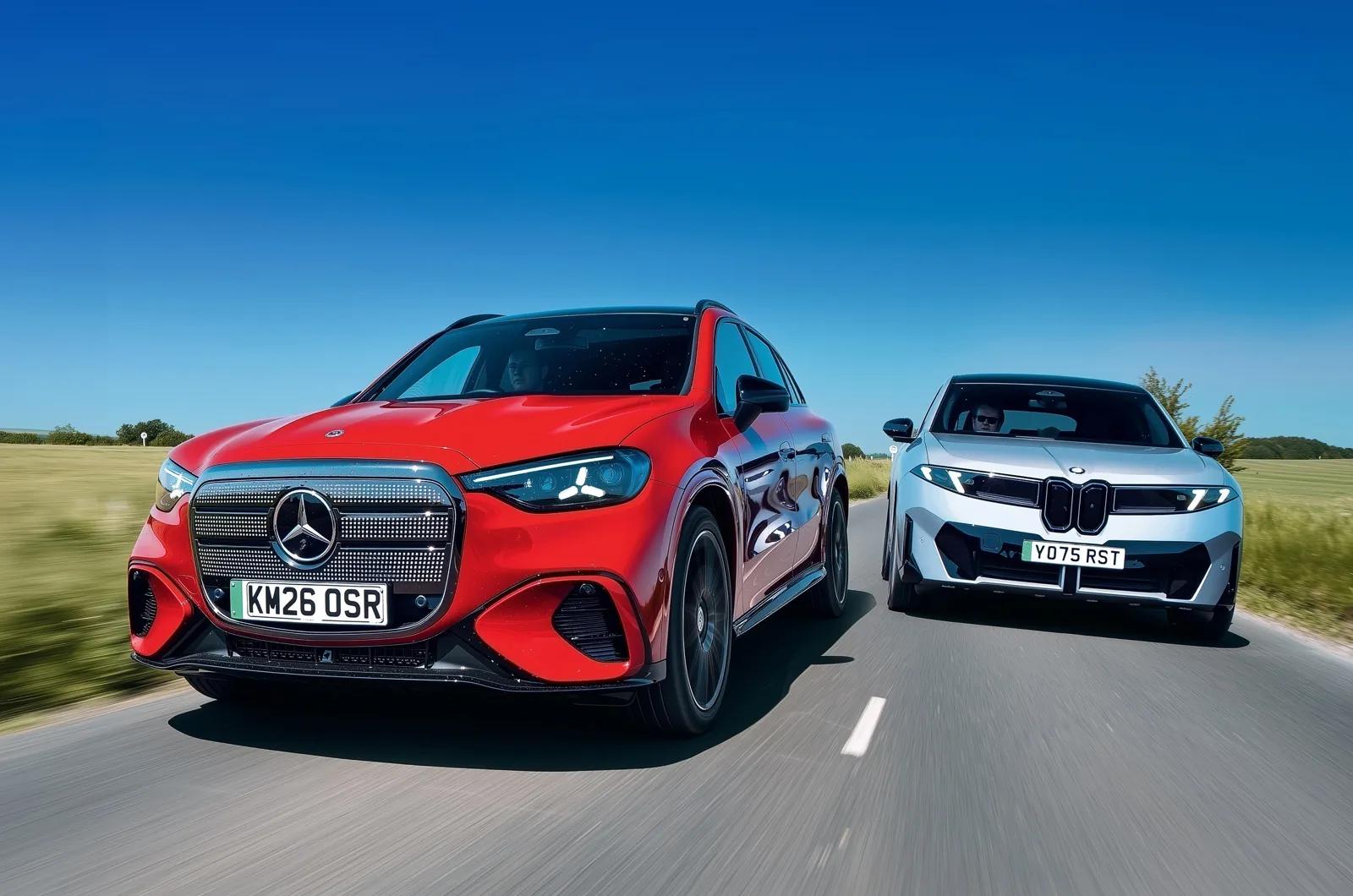
The contenders
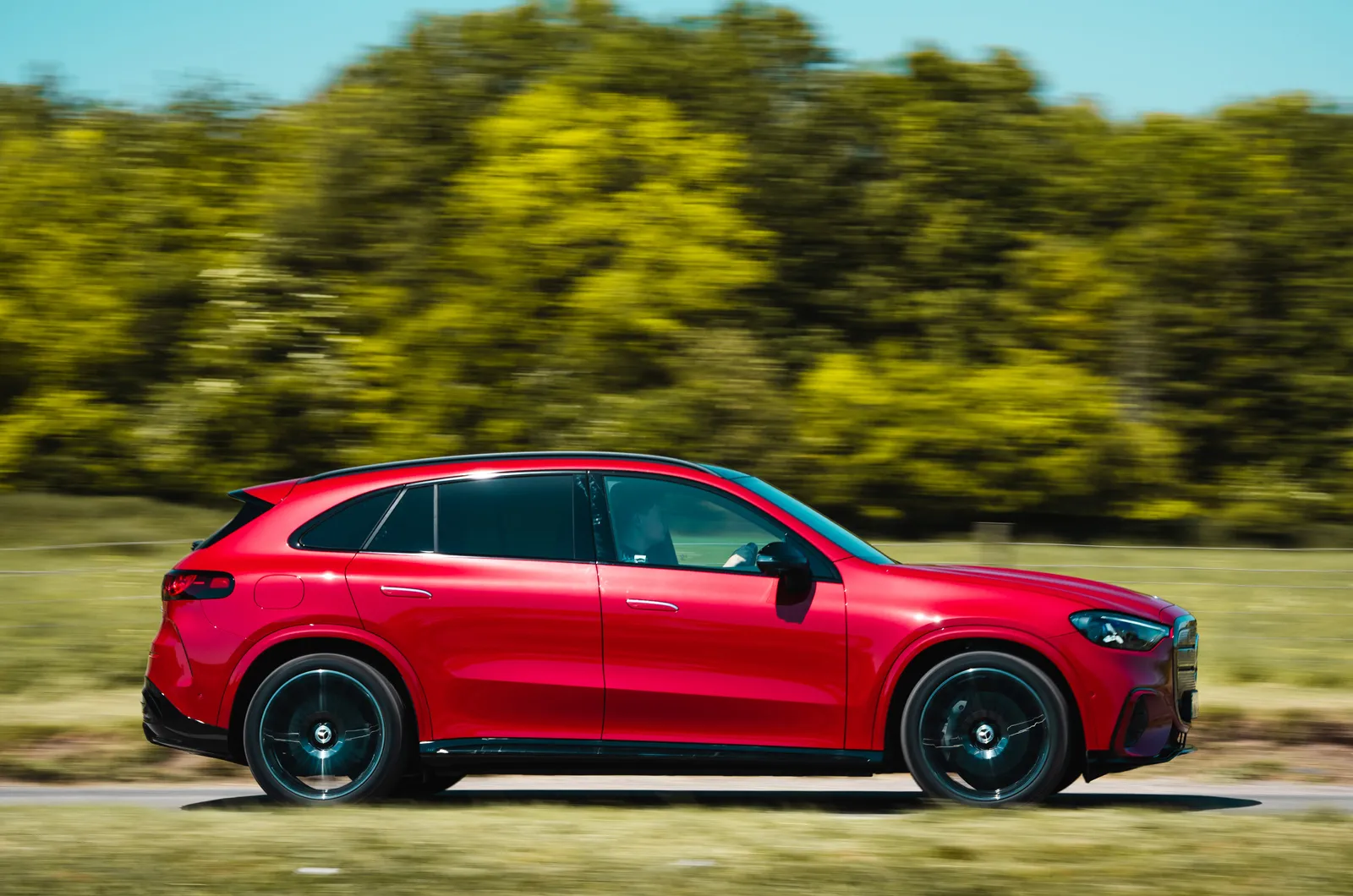
NEW Mercedes GLC Electric 400 4Matic AMG Line Premium Plus
List price £70,850
Best price £70,850
advertisement
scroll for more
Mercedes’ new rival to the iX3 may have a familiar name, but it rides on brand new, bespoke underpinnings. Its official range is shorter than the iX3’s, but can it compensate in other ways?
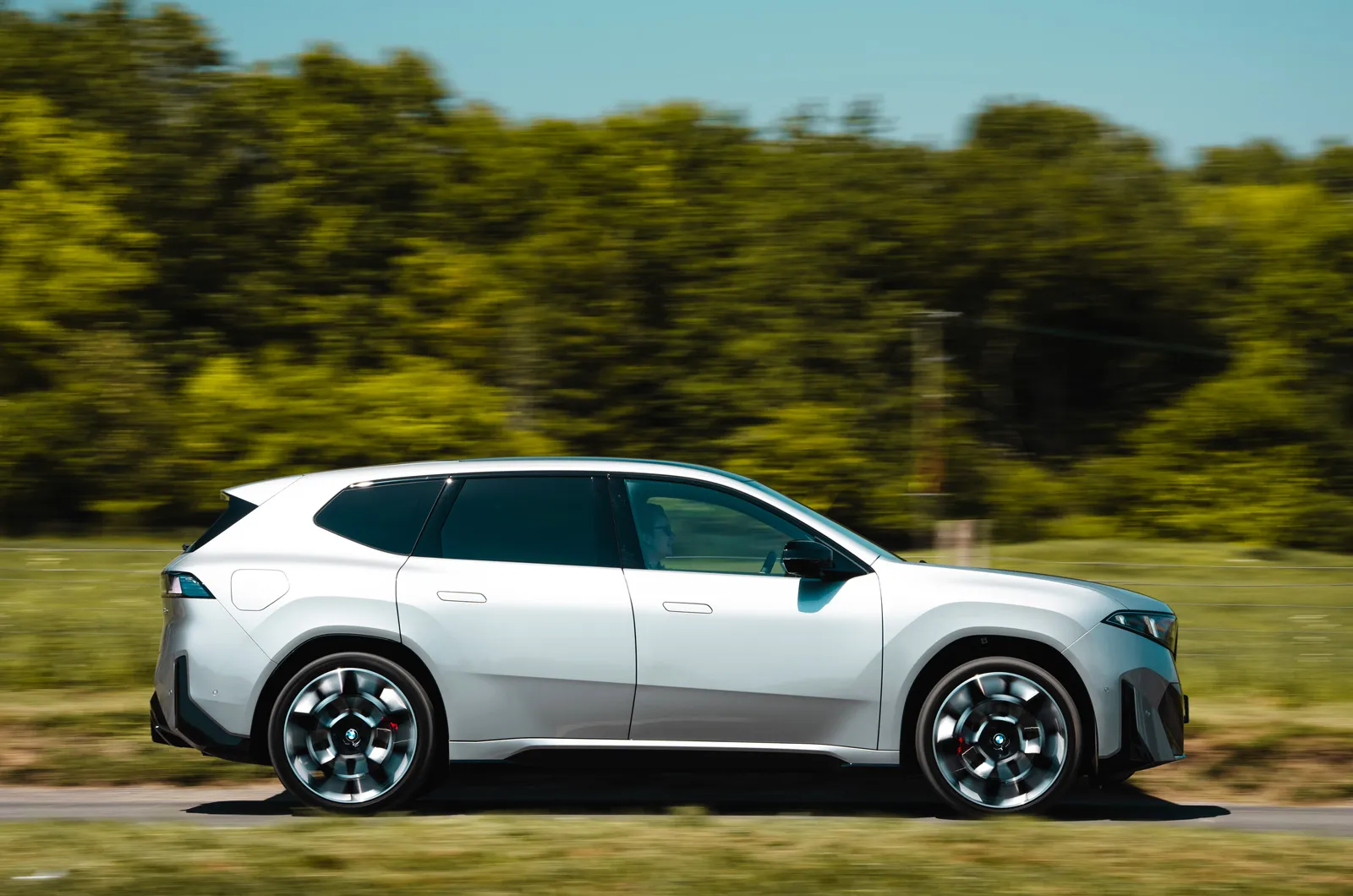
BMW iX3 50 xDrive M Sport Pro (Technology Plus Pack)
List price £66,355
Best price £66,355
Our reigning Car of the Year is the benchmark for premium electric SUVs, with great handling and an official range of up to 500 miles. We’re testing it in range-topping trim.
Mercedes hasn't been slow to roll out electric cars since it launched the EQC in 2019, but, like quite a few other brands, it has had a somewhat turbulent time trying to figure out the best approach. Base them on familiar combustion models, or make them futuristic, standalone electric vehicles (EVs)? It still has a few of the latter in its line-up, but some of its latest EVs are being more closely aligned with existing petrol and diesel models, even if they don’t actually use the same underpinnings. And the new Mercedes GLC Electric is just such a car.

Dan Jones
Updated: 11 August 2026
Car reviews
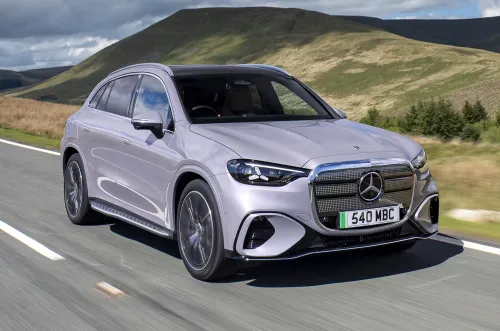
Mercedes GLC Electric
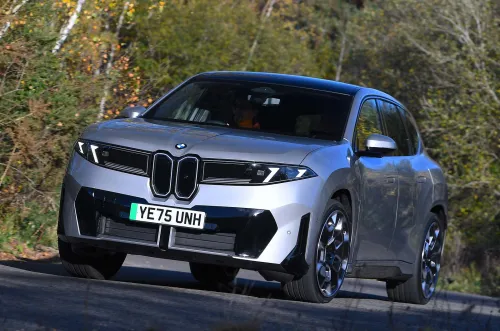
BMW iX3
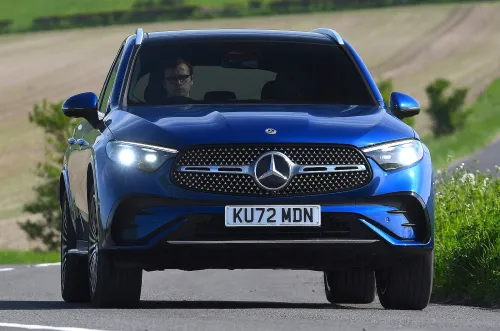
Mercedes GLC
View all new car reviews
advertisement
scroll for more
It may share a name with the existing GLC SUV and have broadly similar looks, but the GLC Electric is based on the same new, dedicated EV architecture as the latest Mercedes C-Class Electric. That means it comes with loads of new technology, including an 800-volt electrical system (for ultra-rapid charging capability) and an official range of up to 405 miles.
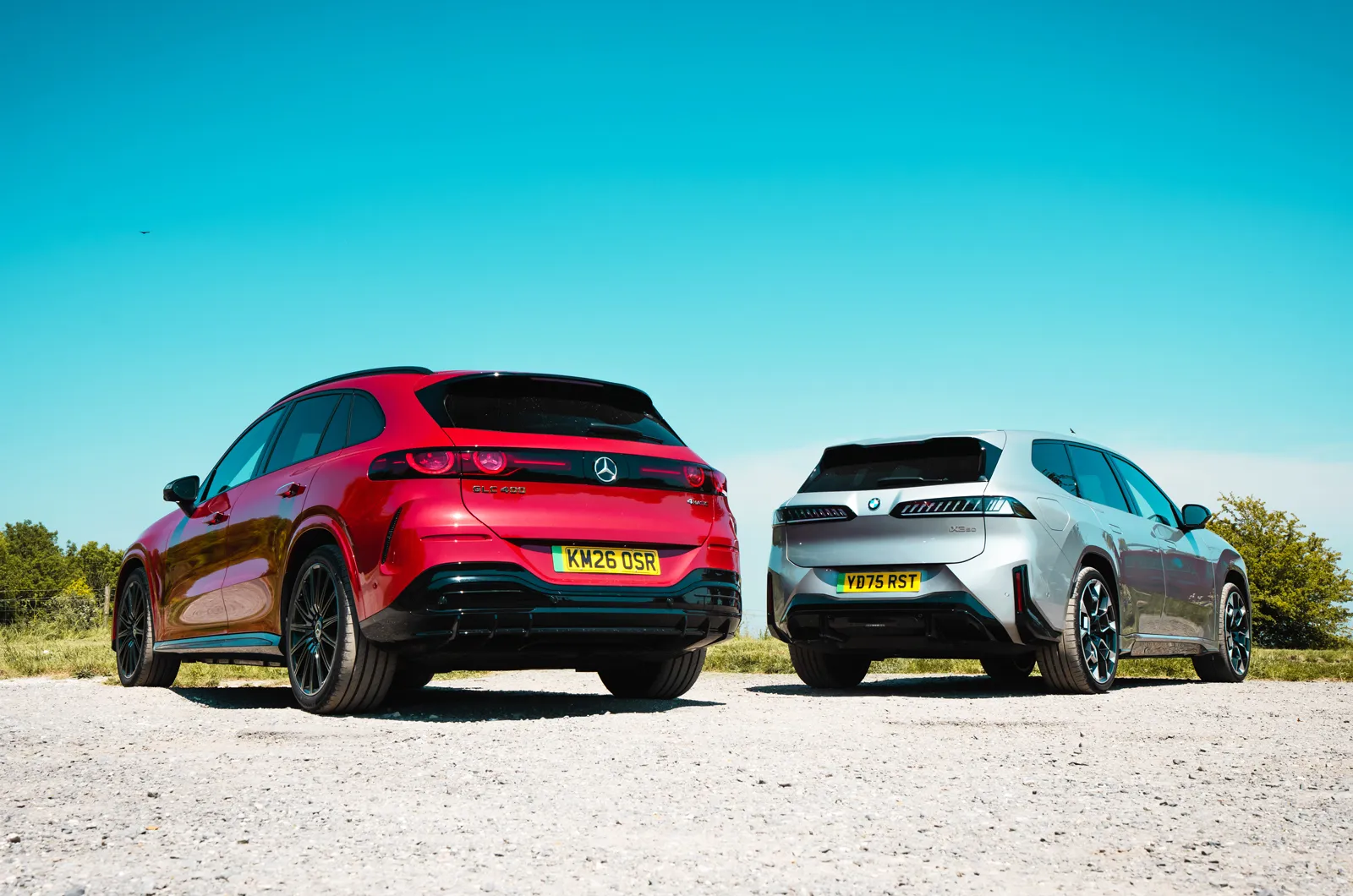
True, that’s down on what a tiny number of rivals can manage – the BMW iX3 promises up to 500 miles between charges and the upcoming Volvo EX60 as much as 503 miles – but by most standards the GLC’s figure is still generous.
There are two motor and battery options with the GLC; we’ve gone for the more powerful 400 4Matic with a 94kWh (usable capacity) battery that promises 395 miles on a full charge in high-spec AMG Line Premium Plus trim (as tested).
In the opposite corner is a range-topping iX3 50 xDrive M Sport Pro with the £1700 Technology Plus Pack included. Even in this specification, the iX3 is about £4000 cheaper than the GLC, while officially being able to cover 488 miles between top-ups of its huge, 108.7kWh battery. So, does the GLC have any chance of beating such a formidable foe – which also happens to be our reigning Car of the Year?
advertisement
scroll for more
Driving
Performance, ride, handling, refinement
Each of our contenders has two electric motors (for four-wheel drive) and a prodigious power output, with the iX3 packing 463bhp and the GLC 483bhp. Like most EVs, they respond instantaneously when you tickle the accelerator pedal at any speed, but these hefty SUVs are also seriously quick, with the GLC sprinting from 0-60mph in just 4.1sec and the iX3 getting there half a second later.
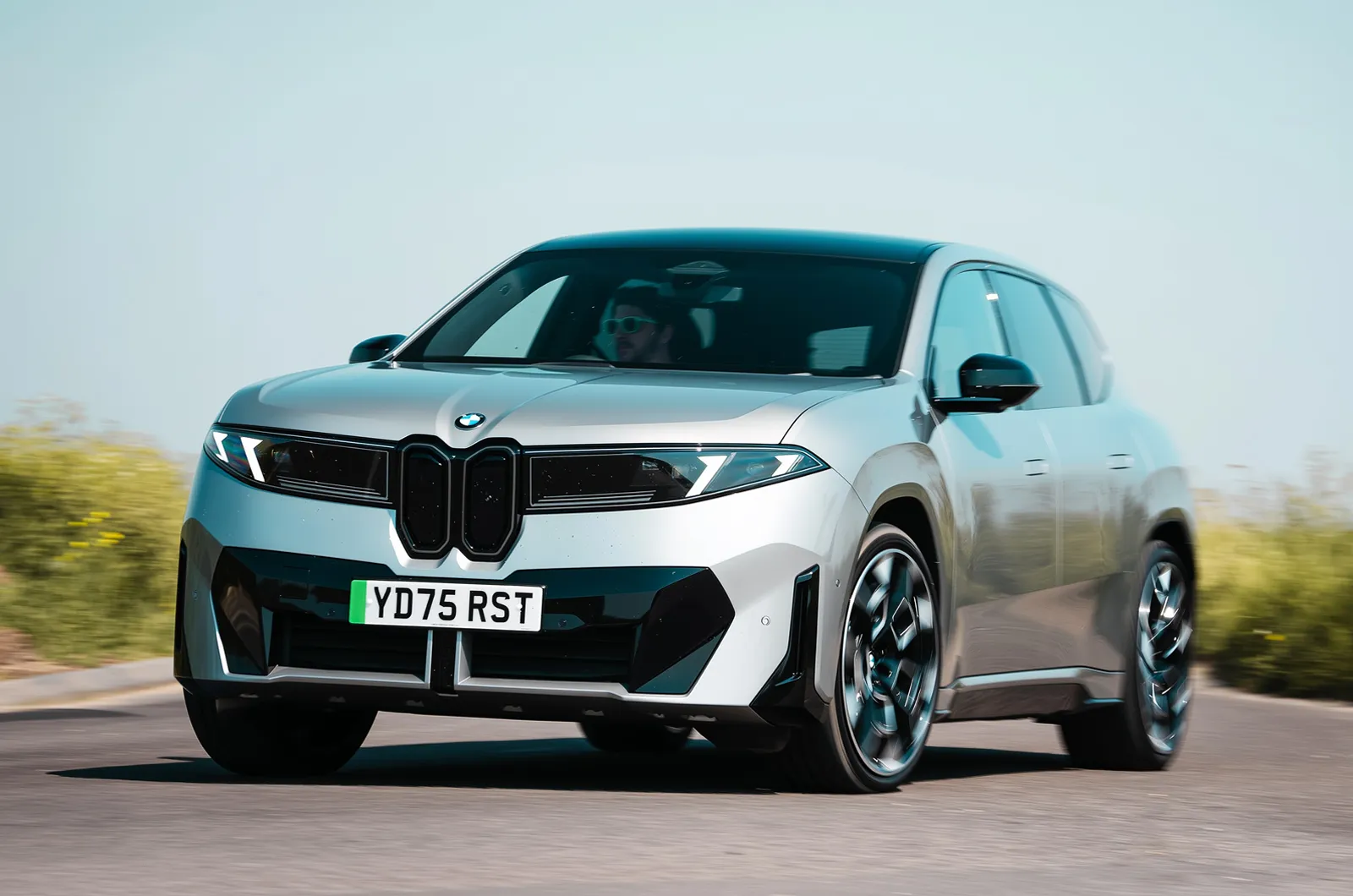
At the moment, you can’t have adaptive suspension on the iX3 (we’re told it’s coming as an option later on). As a result, the ride is relatively firm, but that serves to make the iX3 feel particularly well controlled in its body movements; it doesn’t sway you around in your seat along undulating roads or crash through potholes. While there’s sometimes a fidgety edge to the ride around town, it’s never harsh, even when fitted with our test car’s massive, 22in alloy wheels (a £3300 option).
advertisement
scroll for more
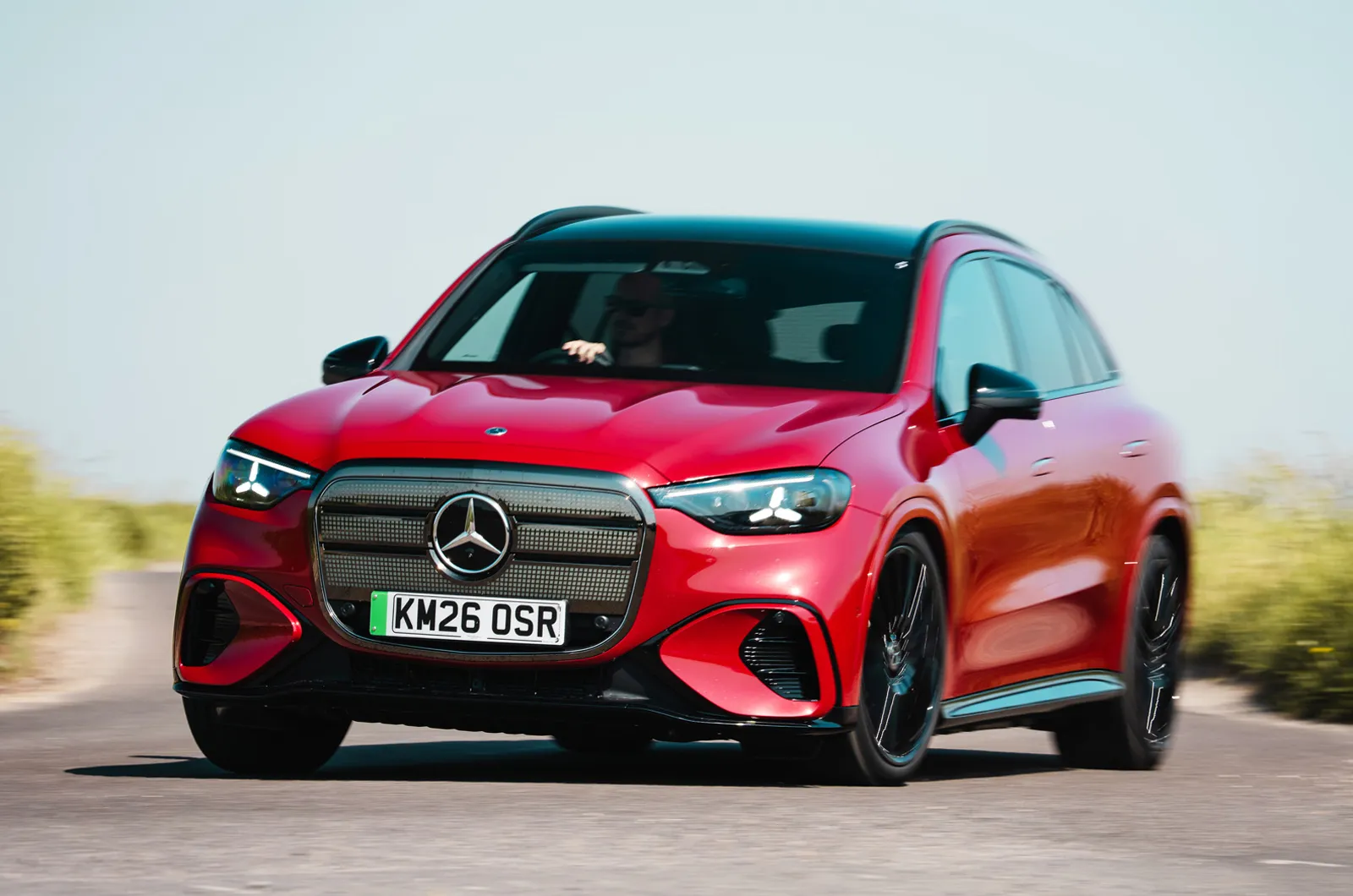
Even on its standard suspension, though, the GLC has a plusher ride than the iX3, while the difference is even more pronounced when (like our test car) it’s fitted with the £2500 Refinement Package, which includes adaptive air suspension. Select the softest mode and the GLC glides along, soaking up bumps at any speed; it’s incredibly well cushioned and comfy. True, it can feel slightly floaty along undulating roads, but switching to a more dynamic mode cures this.
The iX3’s firmer suspension means there’s little body lean through corners, and it feels lighter (which is no illusion) and sharper to drive than the GLC. This is helped by superb, ultra-precise steering that builds weight naturally and gives you a good sense of connection to the front wheels. Few other electric SUVs handle as well as the iX3.
The GLC may not be as much fun to drive, but most buyers will find its handling more than good enough. There’s a bit more body lean during cornering, even with the suspension in its firmest setting, but the steering is precise enough to allow you to place the car with confidence, and the GLC is unflustered by mid-corner bumps. The Refinement Package also adds four-wheel steering, which makes the car feel more stable on the motorway and improves manoeuvrability at lower speeds.
advertisement
scroll for more
Both cars have well-judged regenerative braking systems that harvest energy and actively help to slow them down when you lift off the accelerator pedal. There are several strength levels to choose from, including a ‘one pedal’ mode that can bring each car to a complete halt without you having to press the brake pedal.
When you do use the regular brakes, both cars shed speed smoothly by EV standards. The iX3’s pedal is slightly better weighted, though, making it easier to judge how hard to press it.
On the motorway, these are civilised cruisers. The GLC is better at shutting out tyre and wind noise at 70mph, though, and its suspension generates less noise. All in all, it’s quite a bit quieter.
While the iX3, like most other EVs, in effect has a single-speed automatic gearbox, the GLC has two gears to help increase efficiency. This set-up is usually reserved for even more expensive EVs such as the Porsche Taycan. It seems to work, too. In our tests (in warm conditions), the GLC averaged 3.3 miles per kilowatt hour (mi/kWh), compared with 3.1mi/kWh for the iX3.
advertisement
scroll for more
It’s still the iX3 that’ll take you farther between charges, with its enormous battery granting it a theoretical real-world range of 370 miles, versus 356 miles for the GLC. But considering the disparity in their battery sizes, that's far closer than we expected.
Behind the wheel
Driving position, visibility, build quality
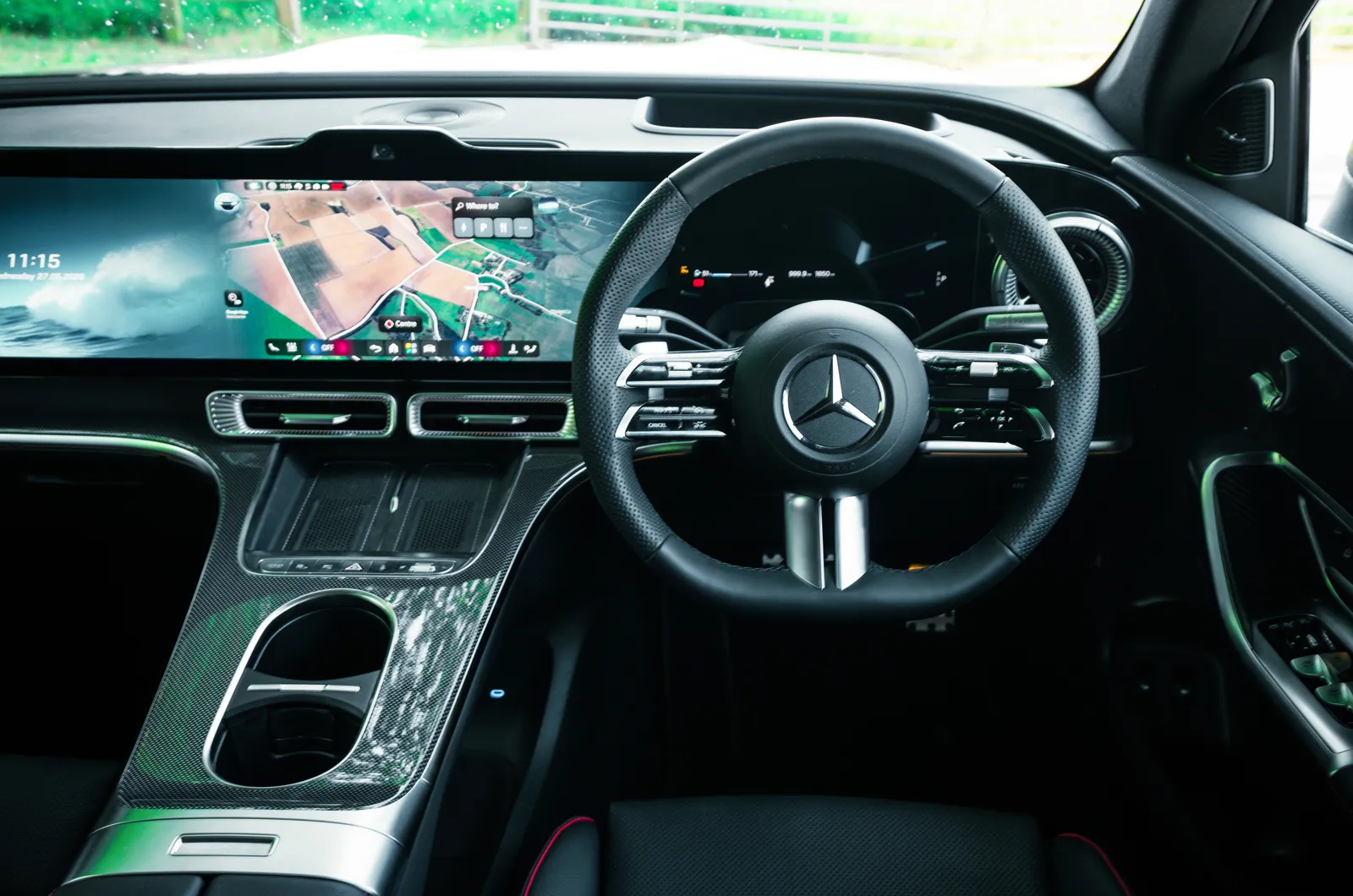
Regardless of which car you choose, you sit quite high above the ground, but the GLC feels more commanding. That’s because its dashboard and window line are somewhat lower in relation to the seats than in the iX3.
Each car has a comfortable seat with full electric adjustment, so finding an ideal driving position is really easy. Each comes with lumbar support adjustment – something that you have to pay extra for with other iX3 trims – and a massage function to help keep you ache-free on long trips.
The iX3 requires you to look over an oval steering wheel to view its high-level, full-width driver display, while the GLC has a more conventional set-up, where you look through a round wheel to see the instruments. The iX3’s set-up works really well – you don’t need to set the steering wheel at an unnatural height to be able to read the information projected onto the slim panel – but some drivers might prefer the GLC’s approach.
advertisement
scroll for more
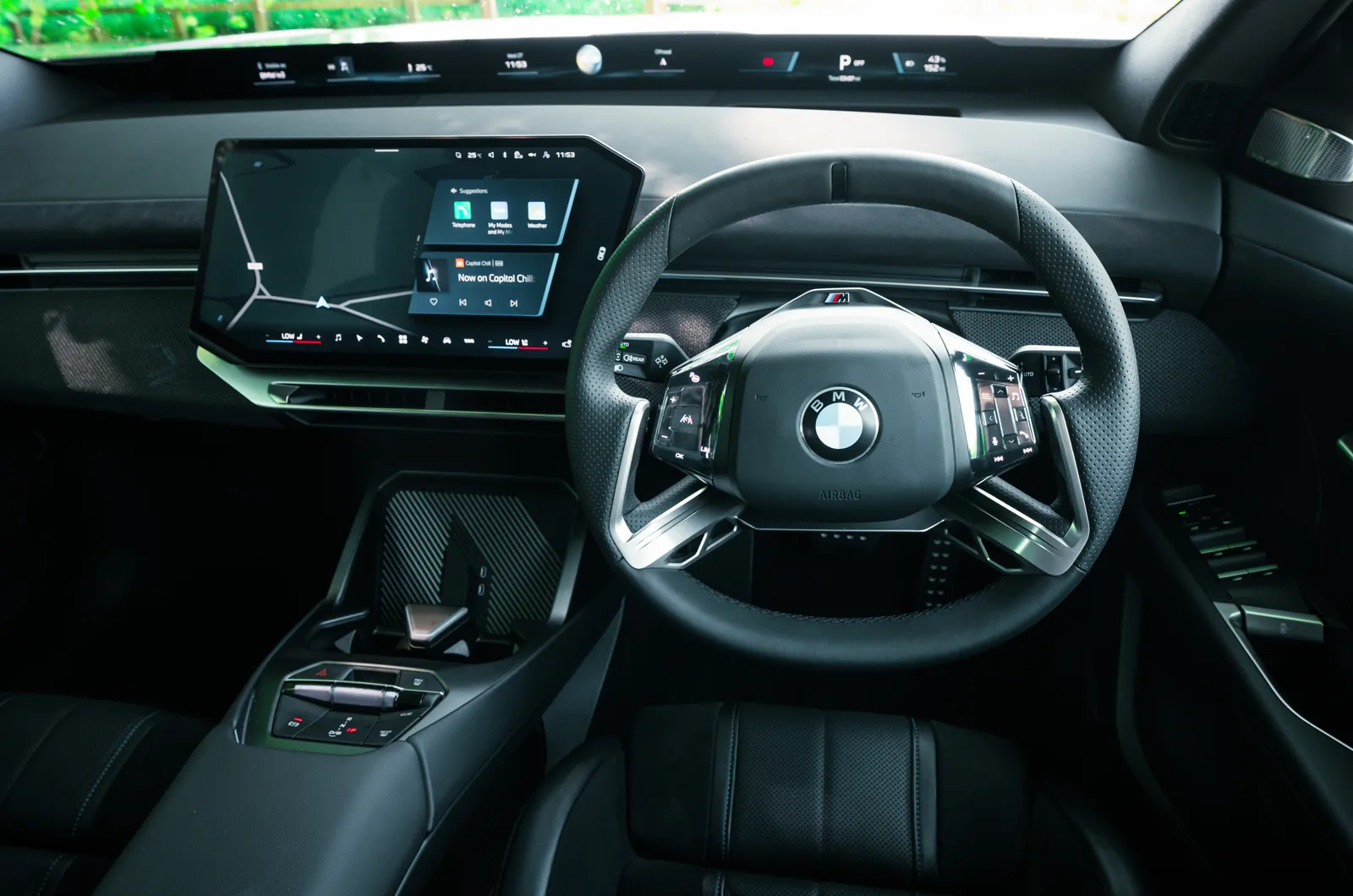
Your view of the road ahead is great in the GLC and mostly fine in the iX3, although the latter’s relatively high dashboard can make it harder to judge where the front of the car ends. Rearward visibility isn’t bad in either car, thanks to large rear windscreens and big rear side windows that extend well back. Nevertheless, you get sensors and 360-degree cameras to help with tight parking manoeuvres.
There are a few physical switches on the centre console of each car, for things like the window demisters, but the majority of functions (including temperature adjustment) are controlled via the infotainment screen, voice control or the steering wheel. For the most part, the iX3’s steering wheel buttons are easier to use than the GLC’s.
Although some of the fabric covering the iX3’s dashboard is similar to what you’d find in a much cheaper Mini, many of the other surfaces feel soft, high in quality and robust. The GLC feels just as good in some places, but there are also more hard materials on display, and the plastic air vents that flank the dashboard’s full-width ‘Hyperscreen’ feel cheap.
advertisement
scroll for more
Infotainment systems
Mercedes GLC Electric
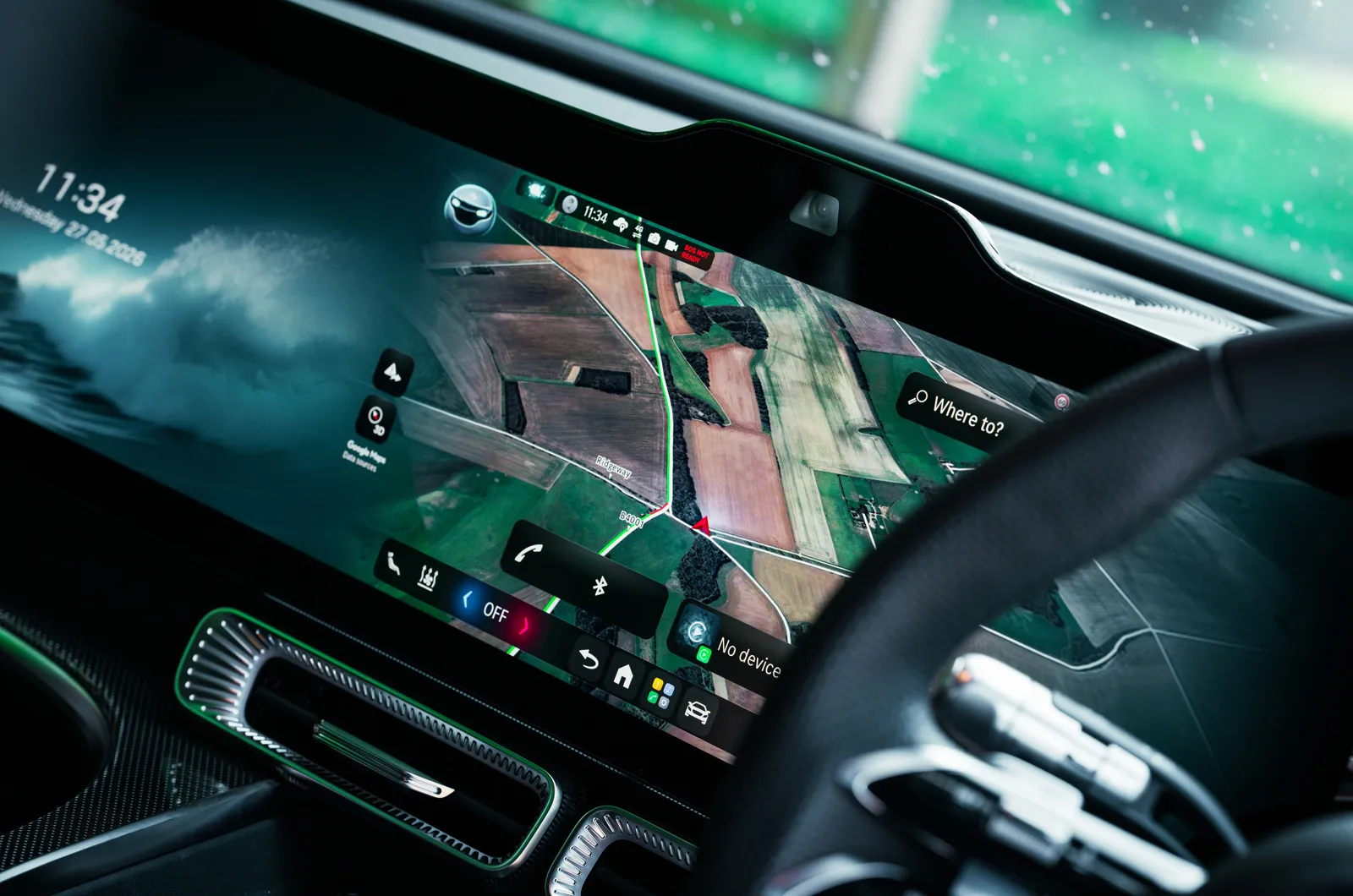
The icons on the GLC’s sharp-looking 39.1in ‘Hyperscreen’ are mostly big and easy to reach, and the touch-sensitive areas respond swiftly to inputs. The passenger’s screen gives access to lots of entertainment apps, so they can watch movies or play games, but it can be distracting for the driver, because it isn’t polarised to conceal it from their view. At least it turns off temporarily if the driver looks at it for too long.
BMW iX3
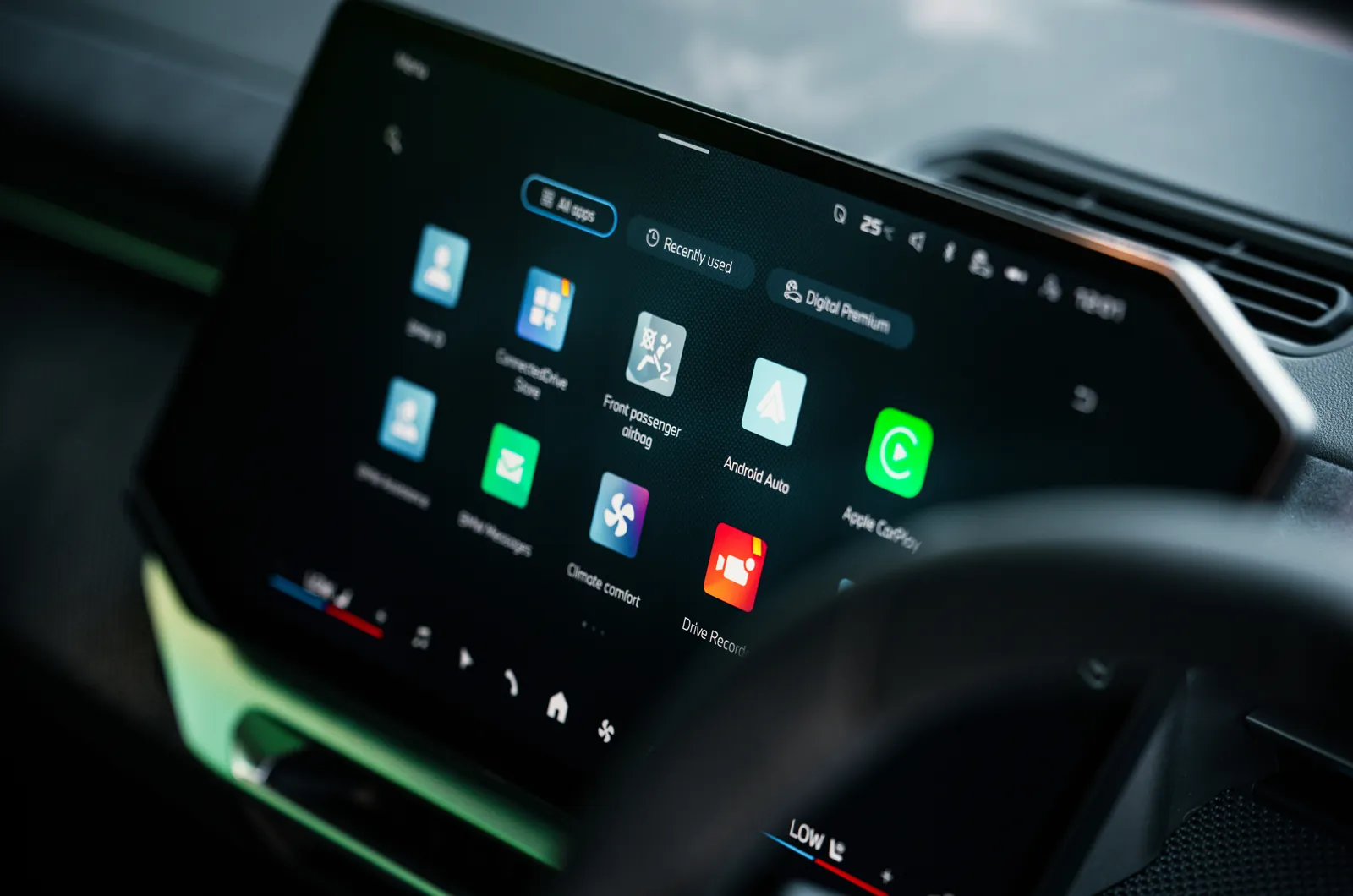
BMW’s infotainment systems are usually terrific, and in many ways that’s still true of the latest version in the iX3. The 17.9in touchscreen is crisp, responsive and easy to reach, while the icons are mostly a good size. The menus are more logical than those in the i5 and iX, too. However, there’s no longer a rotary controller or physical shortcut buttons; you have to rely on the screen, voice control or steering wheel buttons.
advertisement
scroll for more
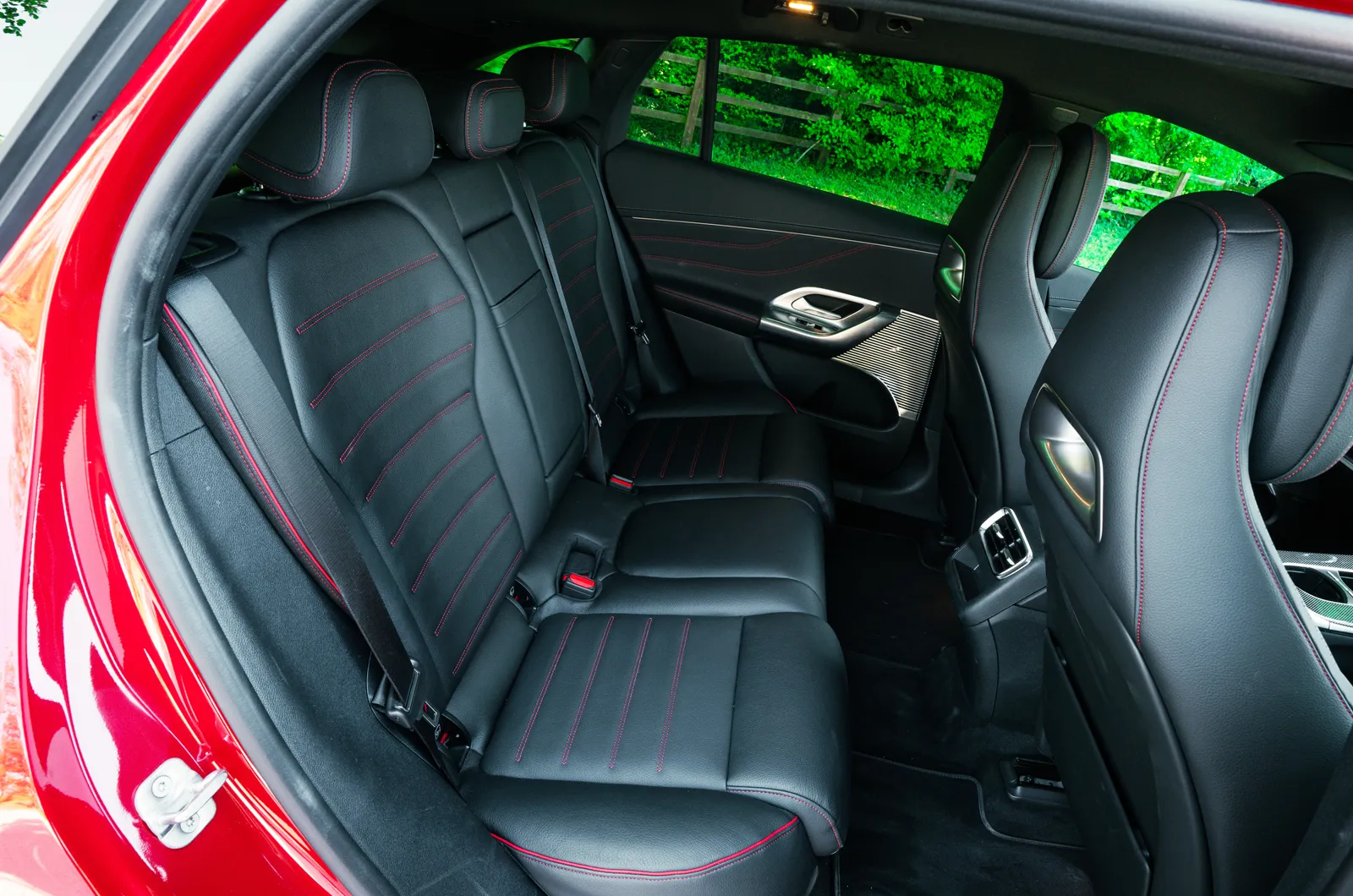
Space and practicality
Front space, rear space, seating flexibility, boot
No one is going to feel the slightest bit cramped in the front of either car; leg, head and elbow room are all generous. That said, the GLC caters slightly better for those with exceptionally long limbs.
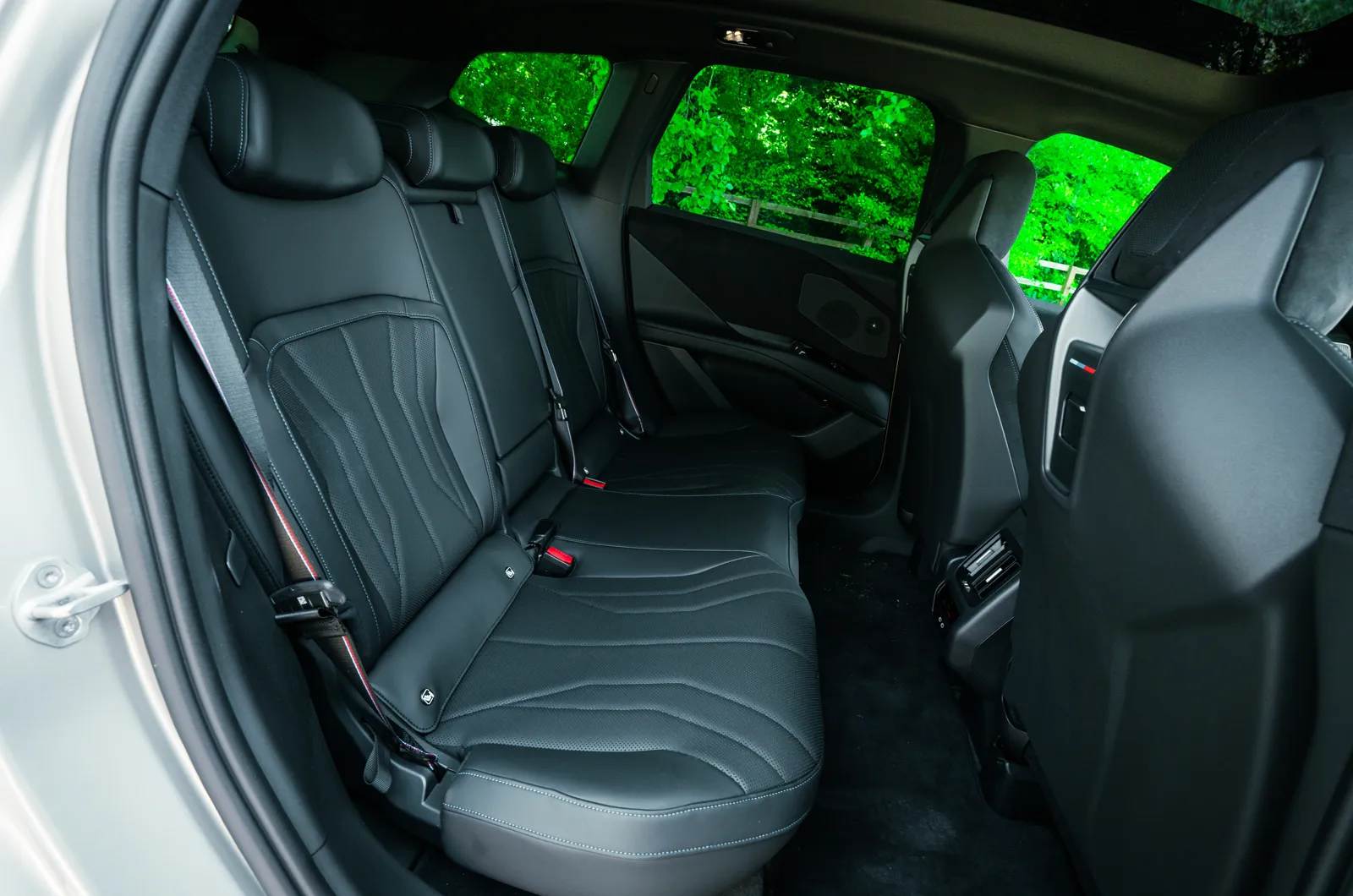
These cars offer very similar amounts of head and leg room in the back – more than enough to accommodate a pair of six-footers. However, the seating position is slightly more natural and comfortable in the GLC; in the iX3, your knees are a bit more raised.
Both cars are wide enough that three adults can sit side by side in the back without feeling cramped. A small hump in the GLC’s floor intrudes on foot space to a certain extent (unlike in the iX3), but its middle seat is far more comfortable to sit on; the iX3’s tends to dig into your lower back.
Each car’s boot has a generous official capacity of 520 litres with the rear seatbacks upright, but in practice the GLC’s is a handier shape that means it can hold more luggage: nine carry-on suitcases below the parcel shelf in our tests, compared with eight in the iX3. Additional storage areas are provided under their bonnets. The iX3’s is small and can’t hold much more than charging cables, whereas the GLC’s is big enough to swallow another carry-on case.
advertisement
scroll for more
Alternatively, the cables can be stashed under the main boot floor in either car. That’s provided you raise the GLC’s floor to its high position; the iX3’s isn’t adjustable. Set like this, there’s quite a bit more underfloor space in the GLC.
When you need more space for carrying longer items, you can split the rear seatbacks in a flexible 40/20/40 configuration and fold them totally flat (provided you have the GLC’s boot floor in its high position). Handily, the GLC has buttons in the boot to lower the seatbacks, saving you from opening the rear doors and folding them from there, like you have to in the iX3. When fitted with air suspension, the GLC has another button that lowers the rear of the car slightly, making it easier to lift heavy items in or out.
Boot space
Mercedes GLC Electric
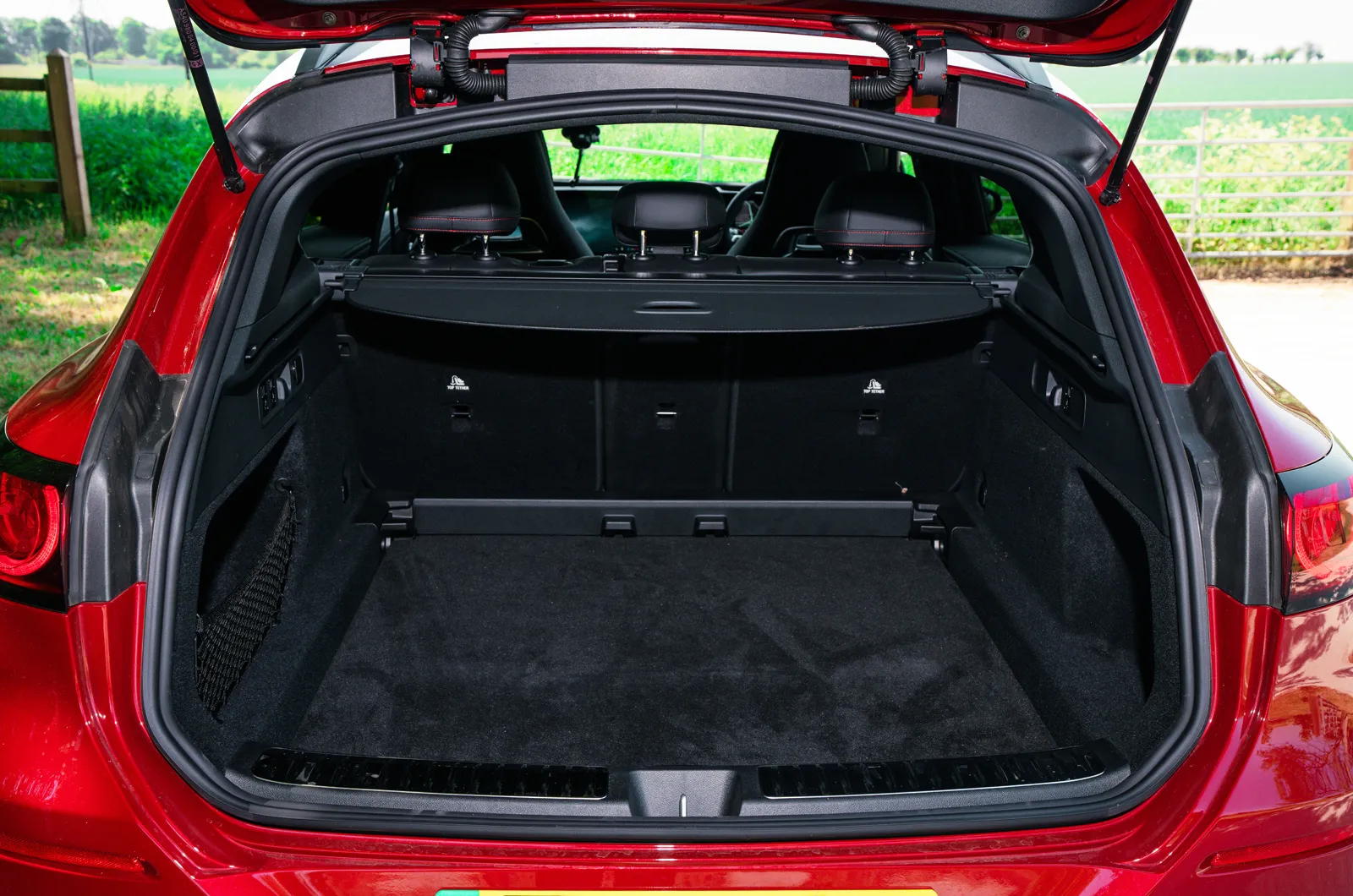
Boot capacity 520-1740 litres (rear), 128 litres (front) Suitcases 10
BMW iX3
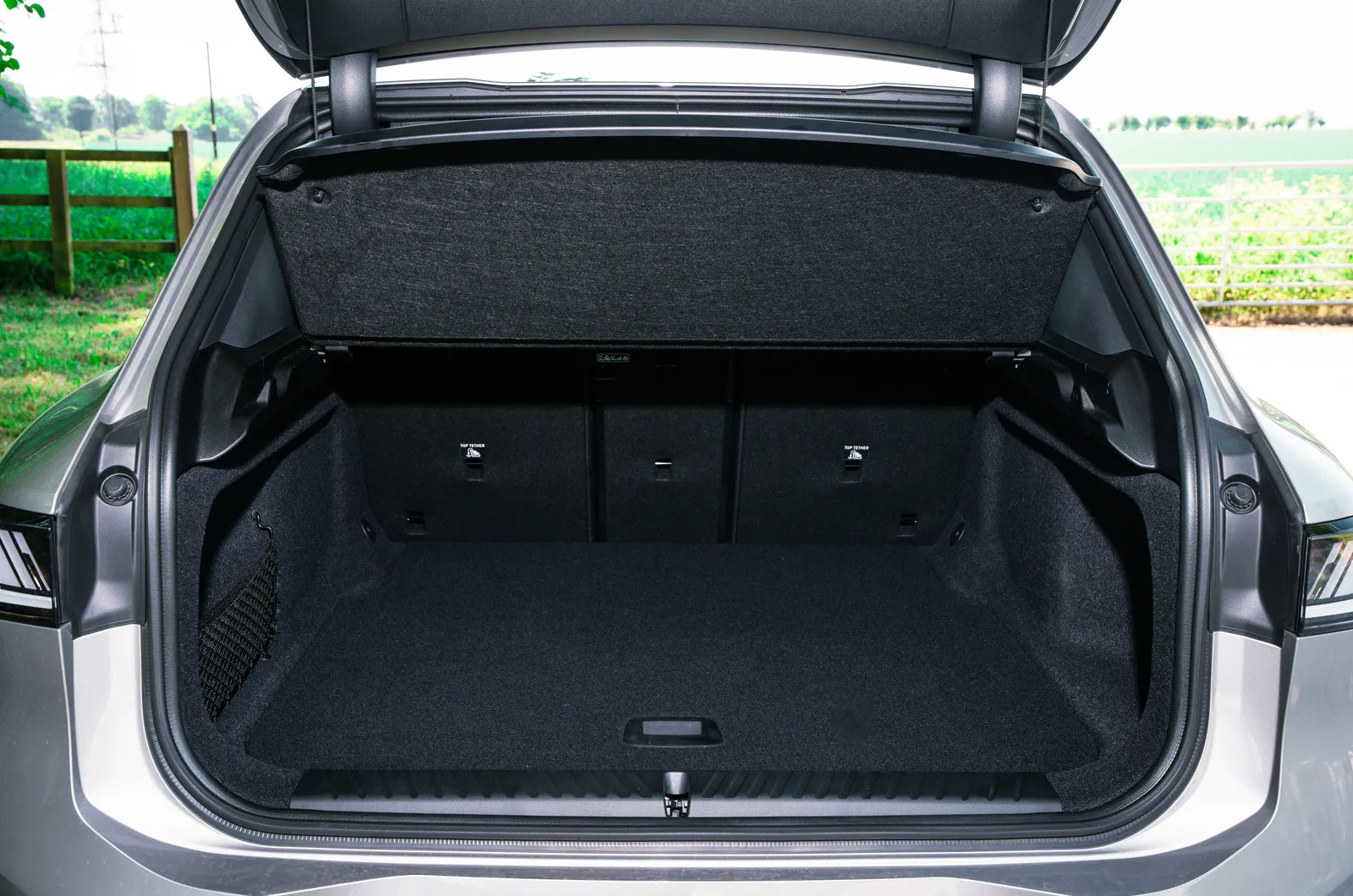
Boot capacity 520-1750 litres (rear), 58 litres (front) Suitcases 8
advertisement
scroll for more
Buying and owning
Costs, equipment, reliability, safety and security
In the high-level trims tested, these are expensive cars, but if you decide to buy either outright, the iX3 will cost you around £4000 less, with no more likelihood of a discount than on the GLC.
Go down the PCP finance route, though, and the GLC is the cheaper option. Put down a £7000 deposit on a three-year contract with a limit of 10,000 miles per year and it will cost you £874 a month, versus £992 for the iX3. That difference is largely down to Mercedes offering a lower APR (3.9% versus 6.9%) at the time of writing.
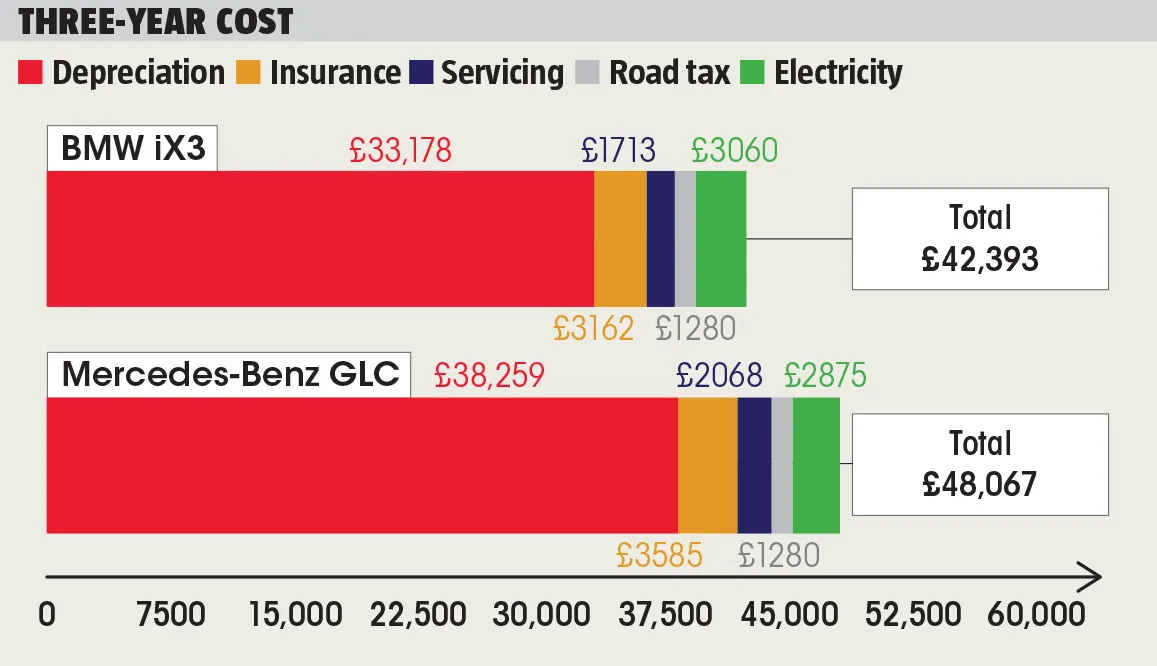
Overall, the iX3 will be the cheaper car for private buyers to run over three years, costing less to insure and service and depreciating at a slower rate. That said, the GLC’s better efficiency means it’ll save you almost £100 in electricity bills.
Either will be tempting to run as a company car, monthly benefit-in-kind payments being much lower than for non-electric alternatives. Due to its lower price, the iX3 will cost 40% tax payers £88 a month in the current financial year, versus £94 for the GLC.
advertisement
scroll for more
When the batteries are running low, you can charge the GLC at rates of up to 330kW, potentially giving you a 10-80% charge in 22 minutes via a suitably powerful public charger. The iX3 can accept up to 400kW, so it can get from 10-80% a minute faster, despite its bigger battery. It takes about two and a half hours longer for a full charge at home, though.
You get loads of standard equipment with both cars, including adaptive cruise control, keyless entry, heated front seats, electric tailgates and artificial leather seat upholstery. The GLC adds ventilated front seats, heated outer rear seats, a heated steering wheel and a panoramic glass roof. You can have most of that kit on the iX3 too, but it’ll cost you in the region of £2000 extra. Still, the Technology Plus Pack included on our iX3 brings three-zone climate control (versus two-zone in the GLC), a head-up display and a Harman Kardon surround-sound audio system to rival the GLC’s 19-speaker (plus subwoofer) standard Burmester system.
advertisement
scroll for more
Both cars are too new to have been included in the most recent What Car? Reliability Survey. However, BMW was sixth in the brand league table, well ahead
of Mercedes (22nd).
Should anything go wrong, both BMW and Mercedes offer fairly standard three-year/unlimited-mileage warranties for these models, as well as separate eight-year/100,000-mile cover for the high-voltage batteries.
Our verdict
The iX3 is our reigning Car of the Year for good reason; it’s a brilliant car that’s especially good when you need to cover long distances or the road gets twisty. If you’re after a premium electric SUV that’s fun to drive, the iX3 is the one to go for.
The GLC Electric, though, is likely to appeal to more buyers. It not only handles tidily but is also supremely comfortable and really practical, plus it can stiill cover a very respectable distance between top-ups. Even in a cheaper trim and without air suspension, it would beat the iX3 to become our pick of the premium SUVs.
advertisement
scroll for more
For all the latest reviews, advice and new car deals, sign up to the What Car? newsletter here
1st – Mercedes GLC Electric
For Plusher ride; quieter cruiser; more comfortable rear seats; more boot space; better equipped; cheaper to buy on PCP finance
Against A few cheaper-feeling interior materials; distracting passenger infotainment screen
Recommended options Refinement Package (£2500)
What Car? rating 5 stars out of 5
Mercedes GLC Electric review >>
Mercedes GLC Electric deals >>
2nd – BMW iX3
For Sharper to drive; longer range; higher-quality interior; cheaper to own; smoother brakes
Against Slightly fidgety ride around town; driving environment might not suit everyone; more wind and suspension noise
Recommended options None
What Car? rating 5 stars out of 5
BMW iX3 review >>
BMW iX3 deals >>
Specifications: Mercedes GLC Electric 400 4Matic AMG Line Premium Plus
Engine Two electric motors
Peak power 483bhp
Peak torque 590Ib ft
Gearbox 2-spd automatic
0-60mph 4.1sec
30-70mph in kickdown 3.4sec
Top speed 130mph
Braking 30-0mph 8.6m
Braking 70-0mph 46.6m
Noise at 30mph 50.6dB
Noise at 70mph 63.3dB
Battery capacity (usable) 94kWh
Rapid charging type CCS/800V
Maximum charging rate 330kW
7kW home wallbox 15hr (0-100%)
Rapid charger, peak rate 22min (10-80%)
Real-world range 356 miles (est)
Official range 395 miles
Efficiency on test 3.3mi/kWh
Kerb weight 2614kg
Tyre size (standard) 235/45 (front), 265/40 (rear) R21
advertisement
scroll for more
Specifications: BMW iX3 50 xDrive M Sport Pro (Technology Plus Pack)
Engine Two electric motors
Peak power 463bhp
Peak torque 476Ib ft
Gearbox 1-spd automatic
0-60mph 4.6sec
30-70mph in kickdown 3.5sec
Top speed 130mph
Braking 30-0mph 8.5m
Braking 70-0mph 46.6m
Noise at 30mph 51.4dB
Noise at 70mph 64.1dB
Battery capacity (usable) 108.7kWh
Rapid charging type CCS/800V
Maximum charging rate 400kW
7kW home wallbox 17hr 30min (0-100%)
Rapid charger, peak rate 21min (10-80%)
Real-world range 370 miles (est)
Official range 488 miles
Efficiency on test 3.1mi/kWh
Kerb weight 2360kg
Tyre size (standard) 255/45 R20
Location Horiba-MIRA, Warwickshire Weather conditions 28deg C, dry
Cars pictured
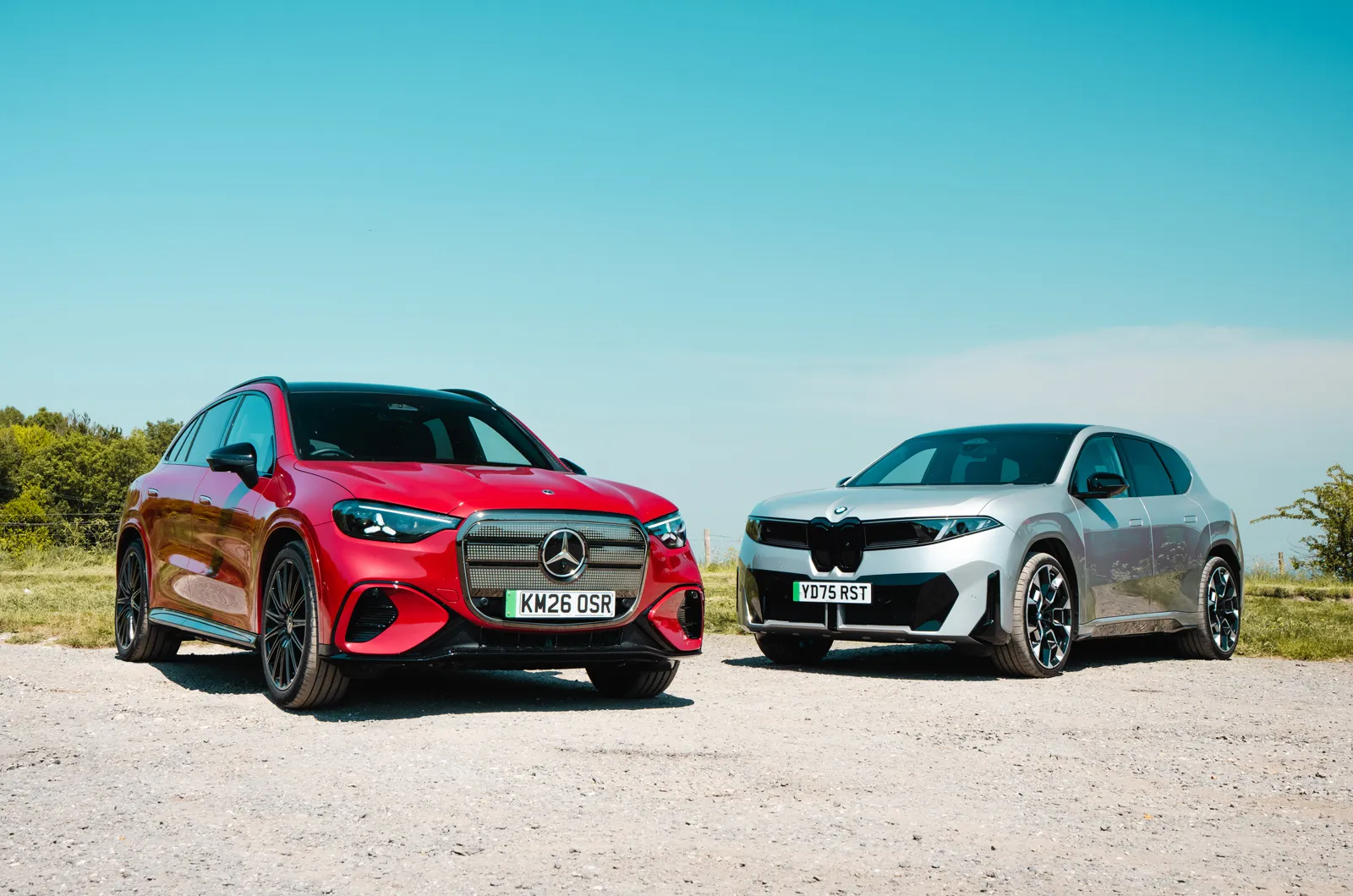
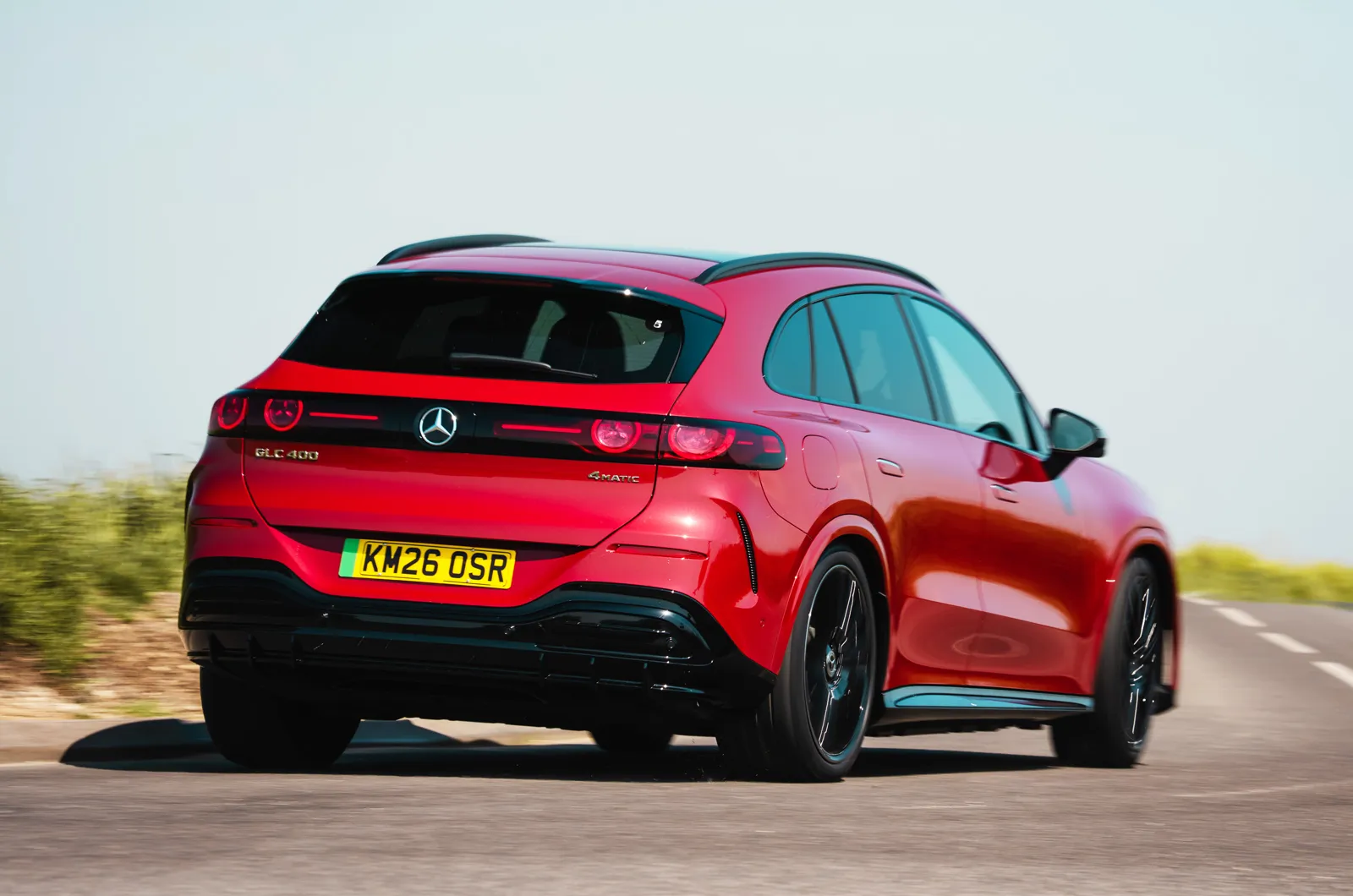
Mercedes-Benz GLC Electric 400 4Matic Premier Edition with Manufaktur Patagonia Red metallic paint (£1000), Refi nement Package (£2500) and 22kW AC charging (£1000)
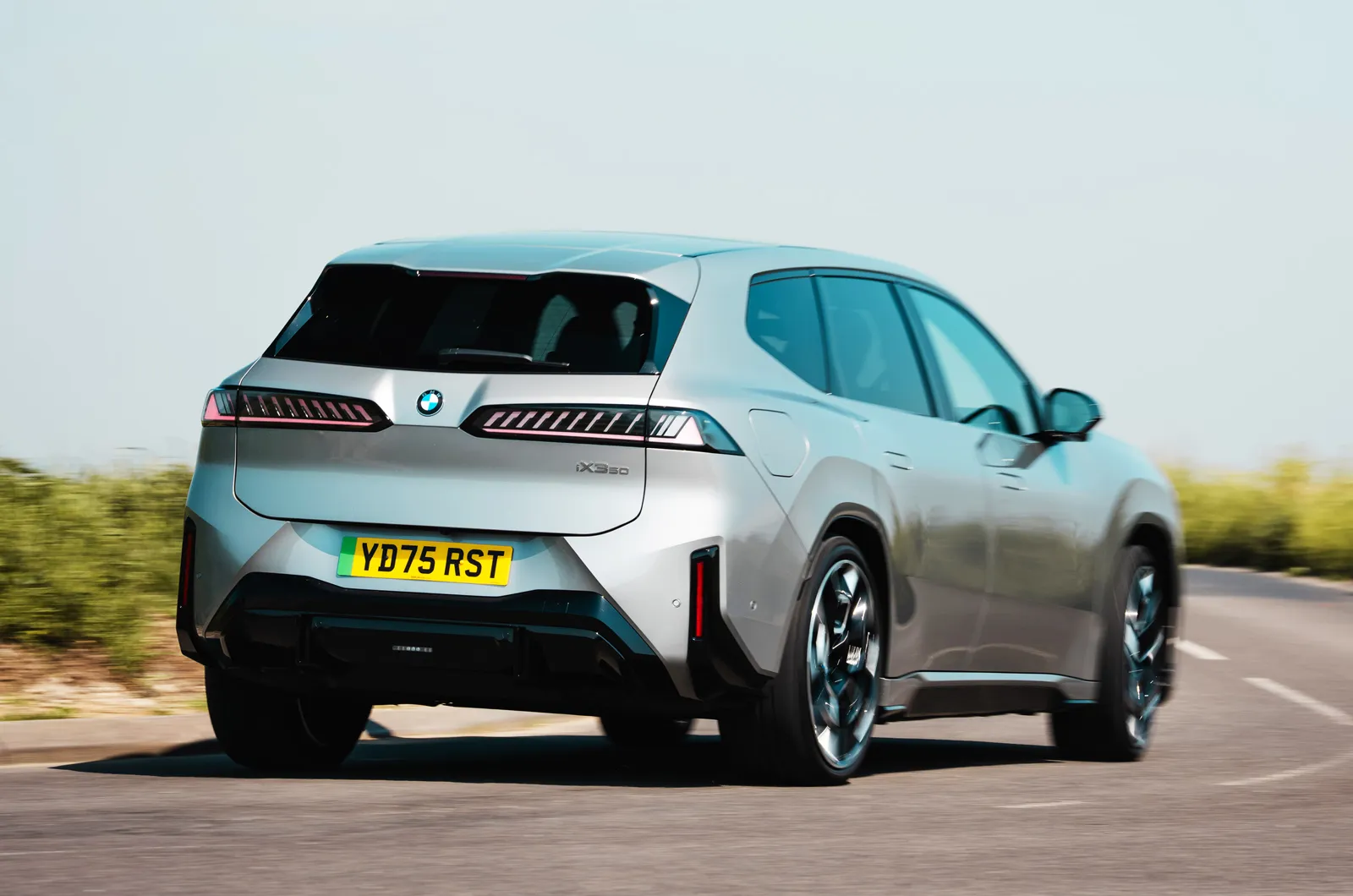
BMW iX3 50 xDrive M Sport Pro with Space Silver metallic paint (£875), 22in M light alloy wheels Y-spoke (£3300), Technology Plus Pack (£1700) and panoramic glass roof with climate comfort glazing (£1275)
advertisement
scroll for more
Read more: Best and worst electric SUVs >>
New car group tests
Electric cars
News and advice
News

Drivers over 70 set to face compulsory eye tests every three years
News

What Car? Reader Award: vote for the most exciting new car of 2027
Best of
The best new car PCP deals
News
2027 Lexus TZ is premium six-seat electric SUV for £75k
News
New Suzuki Ignis EV to return as all-electric Renault Twingo rival
What Car? Promotion