News
New electricity price cap: cost of driving an EV increases
Ofgem increases electricity price cap from October, but a VAT cut brings some relief
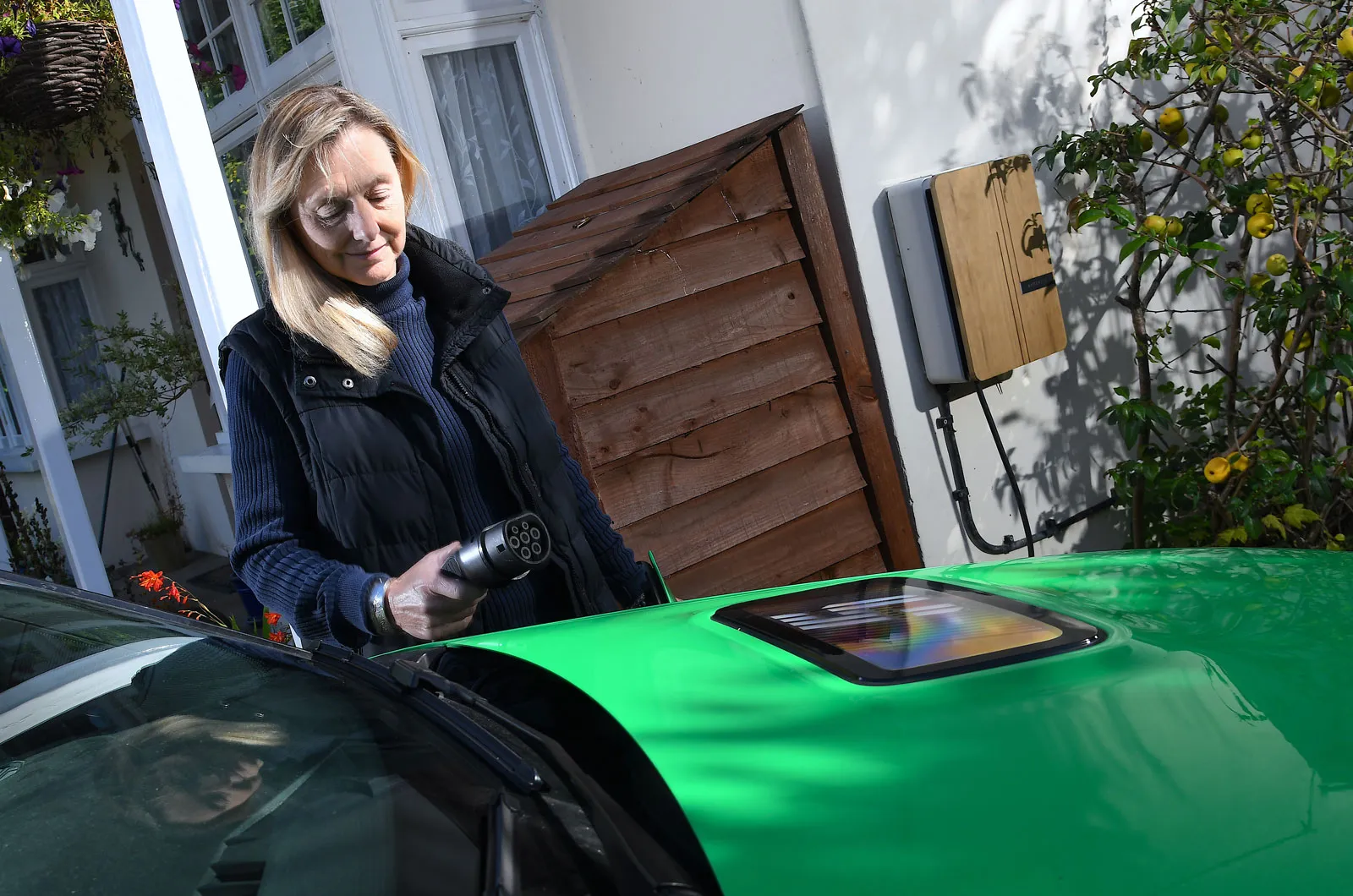
The cost of electricity for around 22 million householders will increase from 1 October – and will be felt acutely by drivers of electric cars. The announcement, says Ofgem, is a result of the on going conflict in the Middle East.
advertisement
scroll for more
As a result, the electricity price cap – the maximum charge which can be levied against customers on standard variable tariffs, will increase from 26.11 pence per kWh (p/kWh) to 26.32p/kWh. However, there has been a slight decrease in the maximum daily standing charge, which falls from 57.19p to 54.83p.
Some of the impact of this rise is mitigated by the removal of the 5% VAT from all domestic electricity bills. Ofgem says that without this, householders would have seen average electricity bills leap by £45 annually.
The previous electricity price cap, announced in May and covering the period between July and September 2026, saw the cost home charging some of the most popular electric cars increasing by around £50 a year. Exclusive research by What Car? at the time found that the BMW iX3 – our reigning Car of the Year – previously cost £26.82 to charge, but Ofgem's price cap increased costs to £28.38 under the new price cap. That totalled an additional £52.12 annually for a driver covering 10,000 miles a year.

Stuart Milne
Updated: 26 August 2026
Car reviews
MG S5 EV
Xpeng G9L
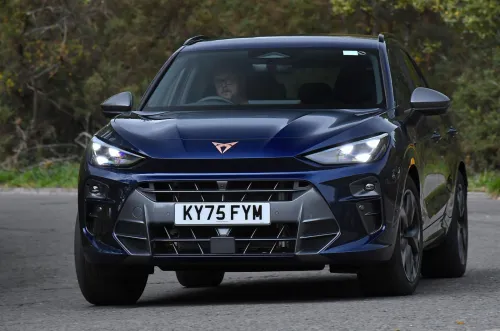
Cupra Terramar
View all new car reviews
advertisement
scroll for more
Similarly, the charging cost for the Renault 5 – What Car’s 2025 award winner – increased from £11.35 to £12.01, totalling an extra £22.06 annually.
Today's rise is not nearly as acute; the BMW iX3 will cost an additional £7.60 per year, while electricity costs for the Renault 5 rise by £3.22.
However, it's worth noting that the newly announced price cap period covers the winter months when electric cars are less efficient. In our most recent winter range test, we found that the cold weather range of some electric cars can drop by as much as 21%.
How to reduce EV charging costs
The energy price cap is designed to protect customers on standard variable tariffs from sudden hikes in the cost of energy, but not if you have agreed a fixed tariff with your supplier or have a business energy contract.
If you are on a dual-rate tariff with differing costs for peak and off-peak electricity prices, suppliers must ensure the combined day and night usage doesn’t exceed the overall cap. That means peak energy on these tariffs can be more expensive.
advertisement
scroll for more
There are steps you can take to reduce the cost of charging your EV:
- Consider a dual-fuel tariff and ensure you charge only during off-peak periods. Many electric cars and home EV chargers allow you to schedule charging, which you can set to match those off-peak periods. Some smart tariffs, such as Octopus Intelligent Go, can do this automatically.
- Shop around and switch to a better EV home charging tariff
- Take advantage of workplace charging if you’re able to
- Ensure you have sufficient charge before you start your journey to reduce reliance on the public charging network, which is significantly more expensive
- However, you should limit the number of times you charge your car beyond 80% to preserve the long-term life of your car’s battery
How we calculated the increase in EV charging costs
According to the RAC Foundation, electric cars travel around 10,000 miles per year on average. And data from the Society of Motor Manufacturers and Traders (SMMT) shows that the average EV can travel around 300 miles on a charge.
advertisement
scroll for more
That means the typical EV driver could plug in their EV for the equivalent of 33.3 charges per year.
We then researched the usable capacities of the most popular electric cars searched for on whatcar.com. Where a choice of battery sizes is on offer, we took an average figure.
The costs are based on the per-kWh cost. Current cap figures are inclusive of VAT at 5%, new cap figures exclude it. The costs don’t take into account daily standing charges or increases in the gas price cap.
Make modelAve cost on current capAve cost on new cap****Annual differenceBMW iX328.3828.617.60Tesla Model 318.2118.364.88Cupra Born17.8918.034.79MG417.7717.914.76Kia EV317.3617.504.65Skoda Elroq16.8416.984.51Audi Q4 e-tron16.7816.914.49Renault 413.5813.693.64Renault 512.0112.113.22Hyundai Inster11.1011.192.97
Read more: Best electric cars
For all the latest reviews, advice and new car deals, sign up to the What Car? newsletter here
Green mobility solutions
Electric car news and features
Owning and running your car
News and advice
Best of
The 10 cheapest new cars you can buy - reviewed and rated
News
Deal of the Day: Buy a Hyundai i20 from £175 per month
News
New Volkswagen ID Polo GTI Clubsport Concept previews spicy 362bhp electric hot hatch
News
Tell us about your EV charging experiences
News
New Renault Twingo pricing confirmed: sub-£15k EV is among UK's cheapest cars
What Car? Promotion