Feature
Cars coming soon: the new cars worth waiting for
Don't buy a car until you've read this – our ultimate guide to the new models going on sale in the coming months and beyond
Planning to buy a new car? Think you know what you want? Well, before you sign on the dotted line, make sure you read our round-up of the new models coming soon. That's because there's an awful lot of fresh metal that could be worth waiting for, whether you're after something small, spacious, sporty or stylish.
advertisement
scroll for more
Below is a list of the hottest and most important arrivals coming later this year, next year and beyond. And don't forget to keep this page bookmarked, because we frequently update it to reflect on the latest announcements for new releases.
Late 2026
Aion UT
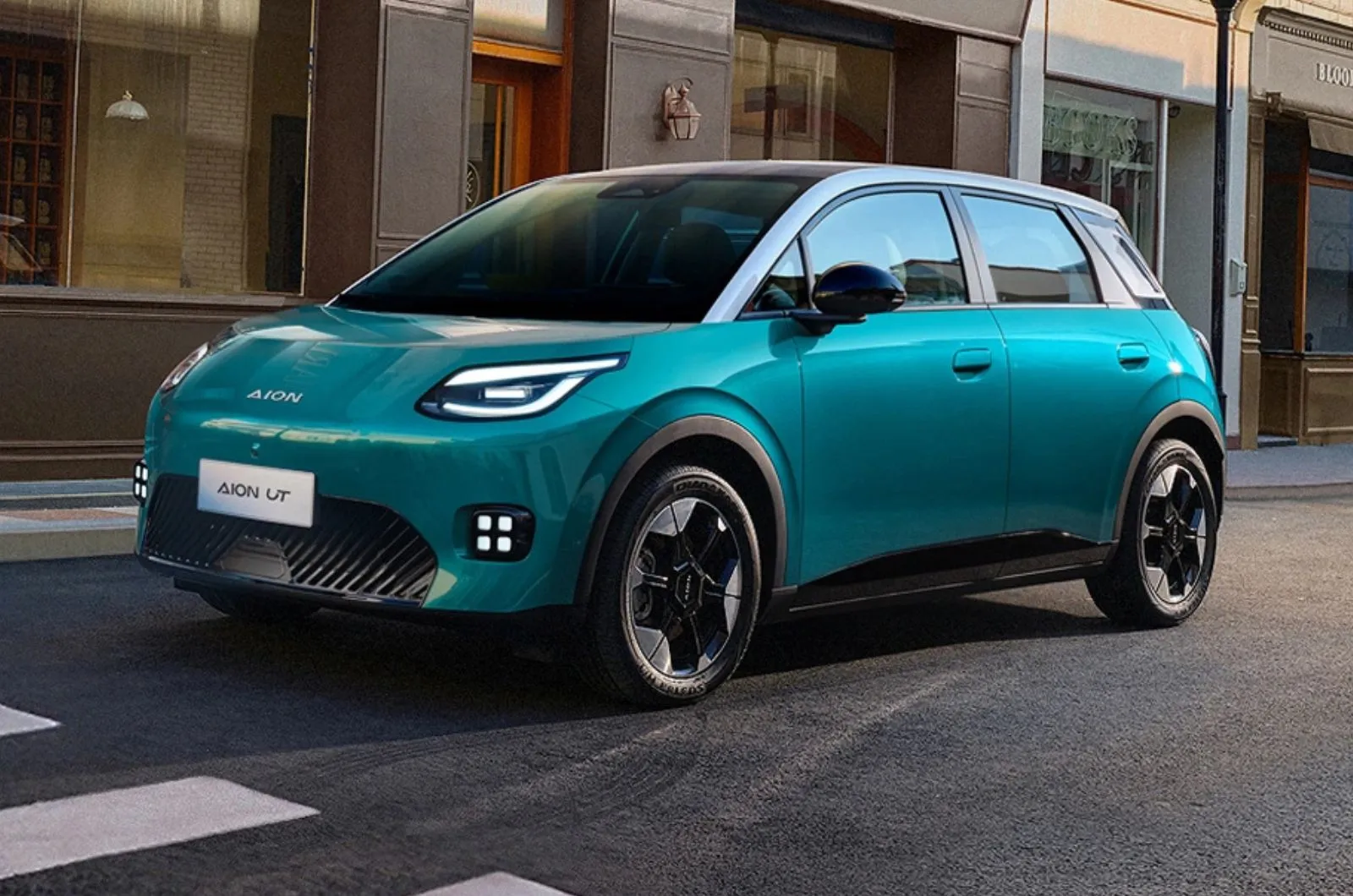
Styled in Italy and built in China, the Aion UT – which will launch in the UK around the same time as the Aion V SUV – is a small electric car that will rival the Mini Cooper Electric and Peugeot e-208. Featuring a 60kWh (usable) battery, the UT is officially capable of covering 268 miles between charges. That’s identical to a top-spec e-208 156, and more than a Cooper Electric SE.


Shafiq Abidin & Jack Mortimer
Updated: 2 August 2026
Car reviews
Kia Sportage
Volvo ES90
Toyota Hilux EV
View all new car reviews
The UT boasts a surprising amount of rear leg and head room, and 24 storage compartments located throughout its interior. In Australia, where it’s already on sale, the UT is also well-equipped by small car standards, with the entry-level version featuring adaptive cruise control, 360-degree parking cameras, heated front seats and a heat pump for better efficiency in cold weather. Although UK specifications are still to be confirmed.
advertisement
scroll for more
Alpine A110 electric
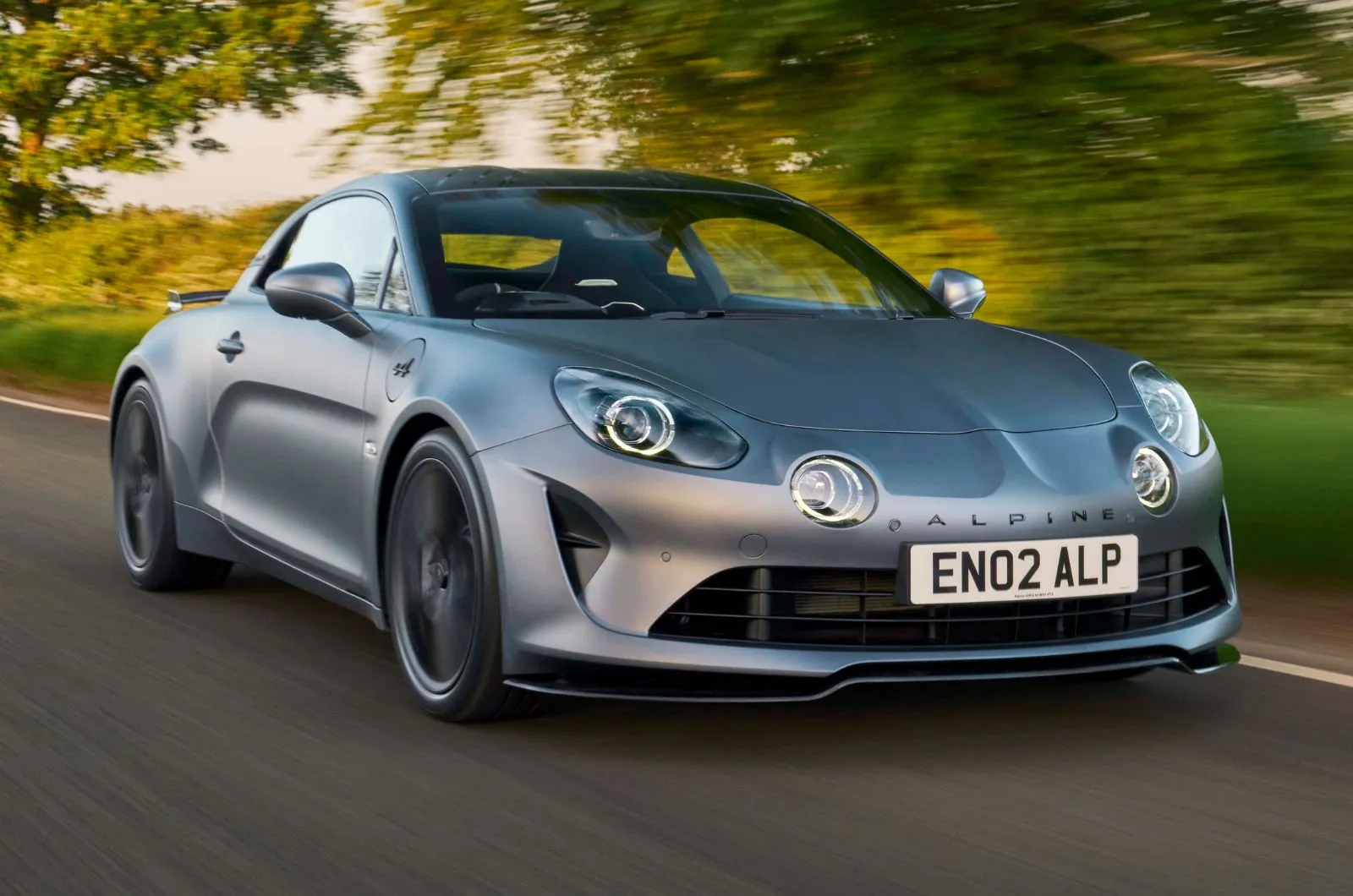
While the current Alpine A110 is heavily inspired by the 1960s original, there won’t be anything old fashioned about the upcoming electric version. Featuring new underpinnings, the next generation A110 is set to feature two batteries for better weight distribution, and a pair of rear-mounted electric motors.
Alpine is said to be targeting a sub-1500kg weight, which would make it exceptionally light for an EV, and while it’s too early to know just how fast it will be, Alpine has previously stated that the split battery pack should give the next A110 a range of more than 340 miles. It’s also predicted that the upcoming electric A110 will feature styling more akin to the larger Alpine A390 and gain a convertible option.
Read more: Alpine A110 Future prototype
Audi Q7
The current Audi Q7 has been around since 2014, having gone through two facelifts in that time to try and keep it up to date. But the truth is, the seven-seat SUV is starting to feel (and look) its age, so the recent reveal of the all-new third-gen couldn’t come soon enough.
advertisement
scroll for more
As for engine choices, there’s no petrol V6 anymore, so you’ll have to choose between a pair of diesel engines (producing 241bhp and 295bhp respectively) or a plug-in hybrid petrol setup. You can also have your Q7 with air suspension and four-wheel steering, although choosing those will bloat the estimated starting price of £77,000 significantly.
Read more: 2027 Audi Q7
Audi Q9
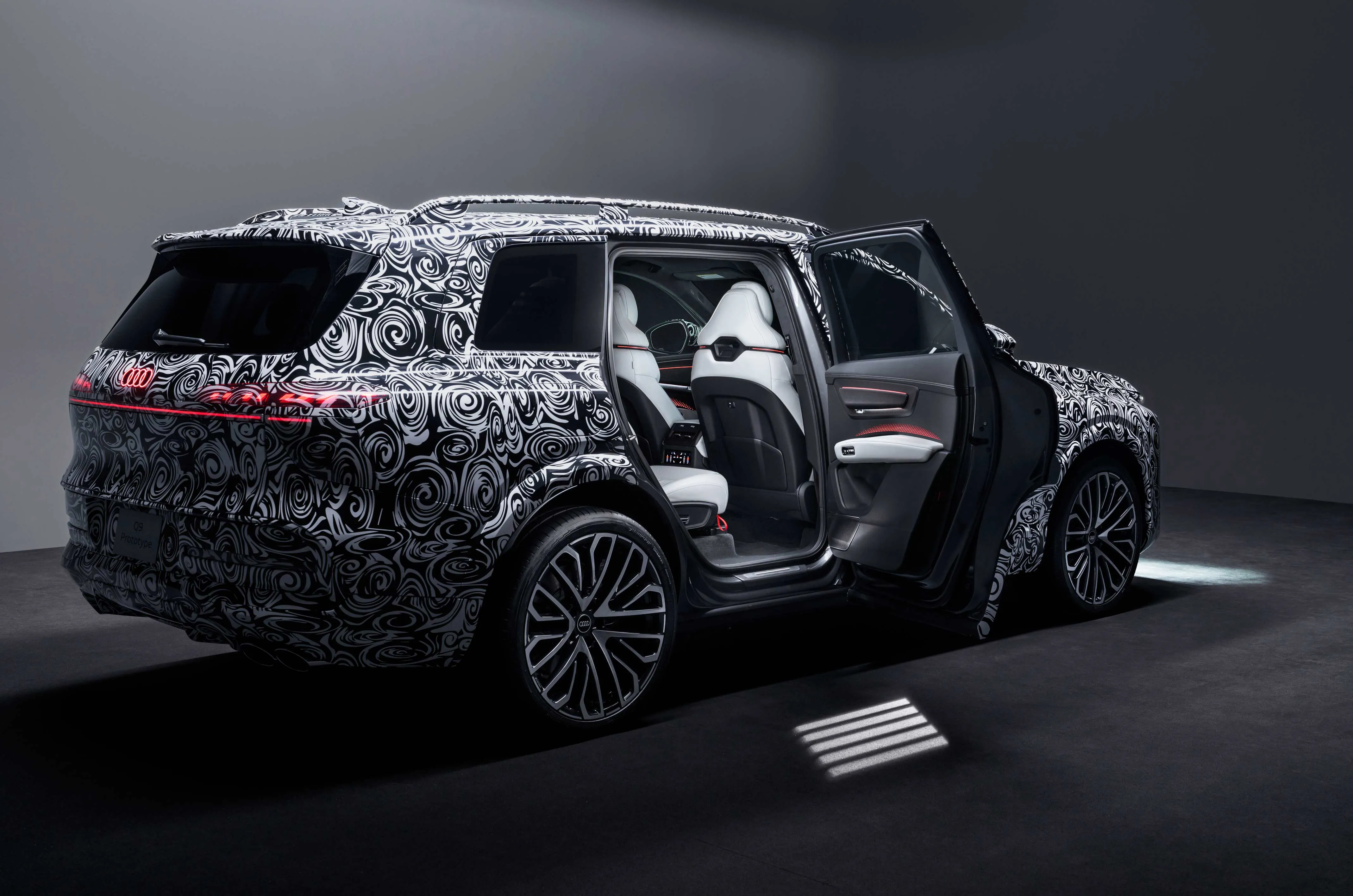
After a near 30-year spell as Audi’s undisputed luxury car flagship, the Audi A8 was officially retired earlier this year, with order books closing in key markets like Germany and the UK. There will be no direct limousine coming in to replace it either, but rather, Audi’s biggest, baddest luxury SUV yet: the Q9. As the number suggests, it will be larger than the Audi Q7, and come with a spacious third row to turn it into a six or seven seater.
And since the Q9 will be all about opulence and luxury, it’ll go head-to-head with the very best of them: the BMW X7, Mercedes GLS and Range Rover LWB. The no-doubt hunky body will sit atop the same underpinnings as the smaller Audi A6 and Q7, and it will offer a variety of engines that almost certainly includes a twin-turbo V8 – because a hot ‘SQ’ version of the Q9 is inevitable.
advertisement
scroll for more
Read more: Audi Q9
BMW i3
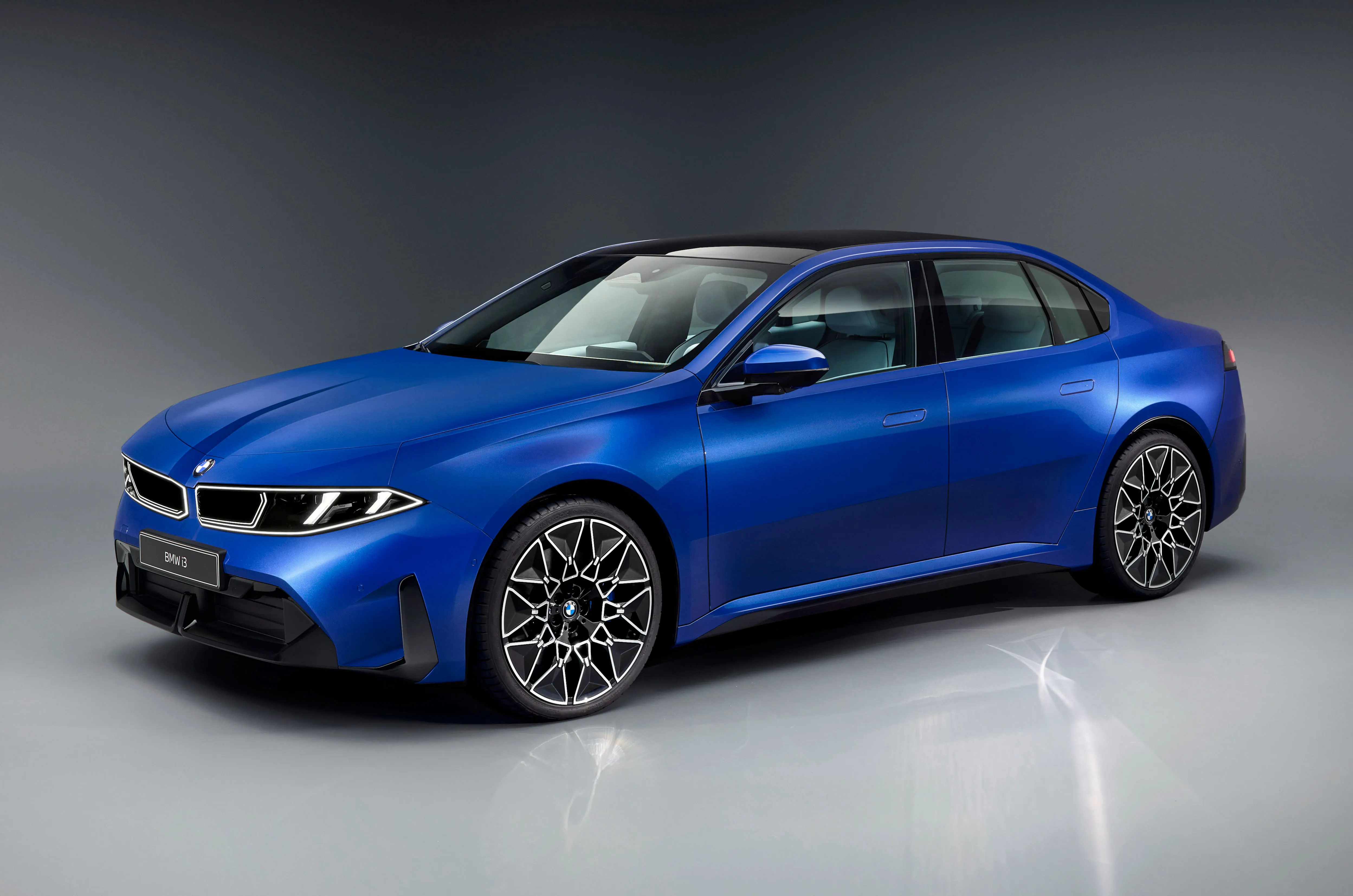
This year will be a big one for the BMW 3 Series, because the car maker’s best-selling car will feature an electric version named the ‘i3’ (not to be confused with the now-defunct BMW i3 from the 2010s). Featuring the brand’s Neue Klasse design language, the i3 will share the same 800-volt underpinnings as our reigning Car of the Year, the BMW iX3 electric SUV.
The 50 xDrive launch model will combine a 463bhp dual-motor setup with a 108.7kWh (usable) battery, and if the 559-mile range target is achieved, it would better both the Tesla Model 3 (466 miles) and the Mercedes CLA (484 miles). The next-generation 3 Series will also be available with a petrol or plug-in hybrid setup, featuring the same bold appearance as its electric counterpart but retaining the underpinnings of the current version. What’s more, an all-electric BMW M3 will land in 2028.
Read more: BMW i3
advertisement
scroll for more
BYD Shark 6
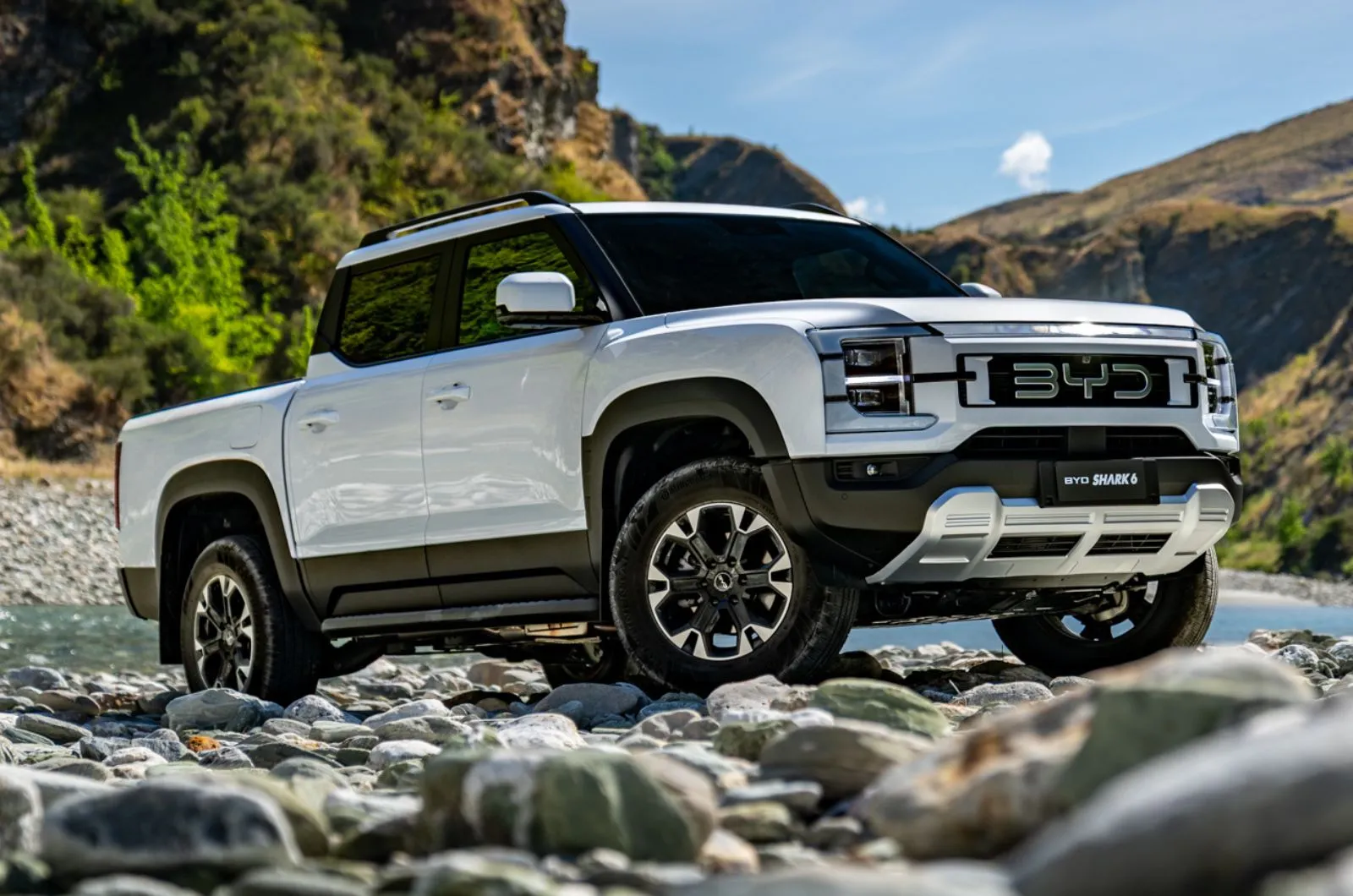
It might be BYD’s first attempt at a pick-up truck, but the Shark 6 has already proved a hit among buyers in Australia, where it’s already on sale. It gets a single trim level and PHEV setup, comprising a 1.5-litre petrol unit and two electric motors for a combined output of 429bhp. As you’d expect, that makes it really rather fast: 0-62mph in just 5.7secs. And thanks to those motors, you can travel for up to 55 miles on EV-only power – that’s 27 more than the Ford Ranger it’s going up against.
The interior should be well kitted out, too, headlined by a 10.25in digital driver’s display and a 15.6in infotainment system – and if our past experiences with BYD screens tells us anything, it’s that they’re really rather good. Elsewhere, expect heated and ventilated front seats, keyless entry and a wireless phone charger as standard.
Read more: BYD Shark 6
Dacia Striker
advertisement
scroll for more
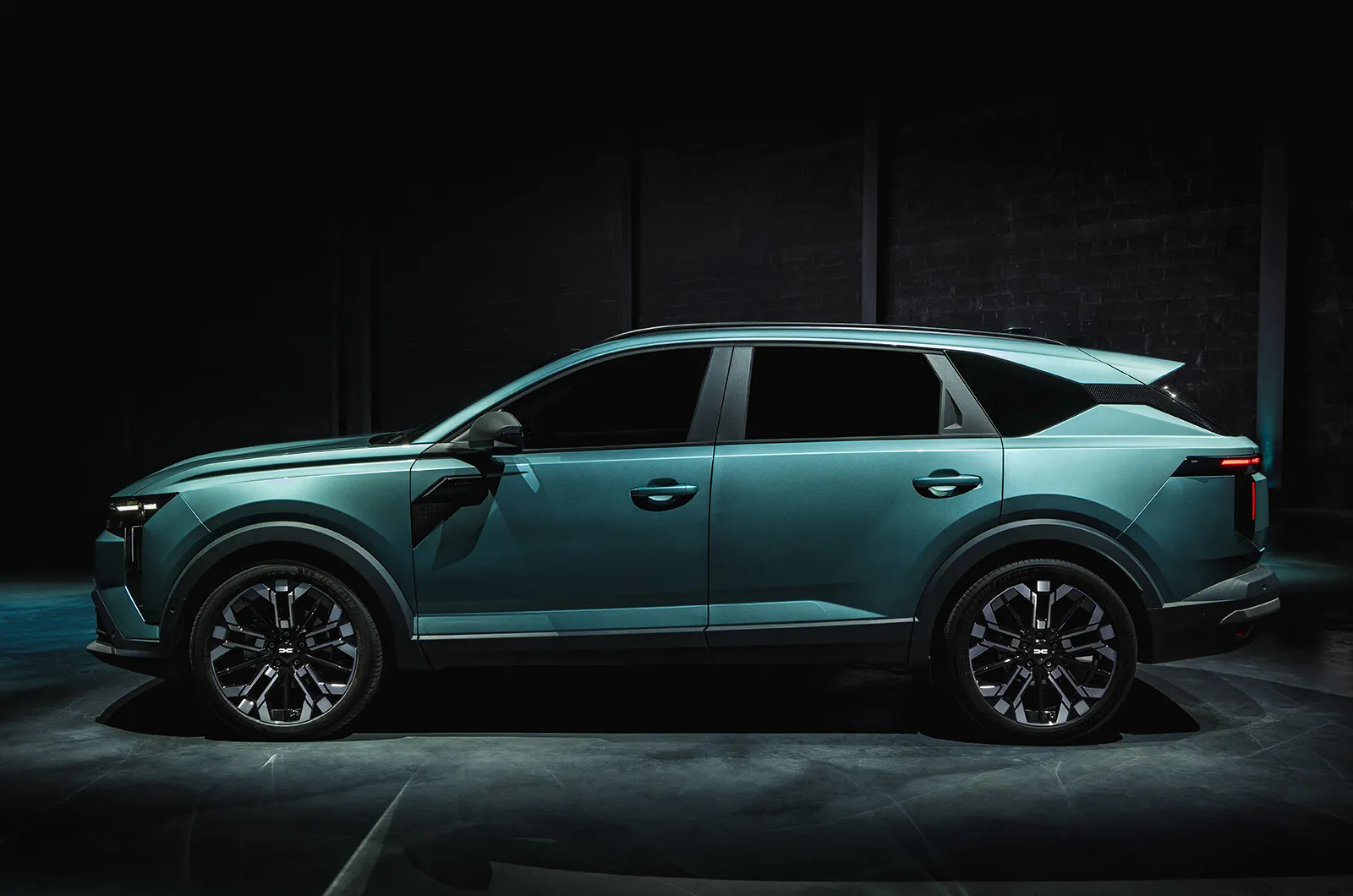
Dacia’s pitch is simple: “we’ll do it cheaper than anyone else.” And against the backdrop of rising living costs, that philosophy is becoming more and more appealing to customers by the day. Not only is the Sandero currently the cheapest petrol car in the UK, Dacia also sells the cheapest seven-seater with the Jogger, and the cheapest EV in the Spring. Naturally, the brand wants to expand its portfolio further, and up next is the part-SUV, part-estate-car, part-whatever-body-shape-you-can-name Striker.
Sharing its underpinnings with the Dacia Bigster SUV, the Striker will be available with a pair of hybrid setups. This includes one setup which achieves four-wheel drive by using a 1.2-litre turbocharged petrol engine to power the front wheels and an electric motor to power the rear wheels. The Striker’s interior is also full of clever tricks, including an ice scraper integrated into the dashboard and nine ‘YouClip’ mounting points to attach all manner of accessories, including a torch, storage pouch or phone holder. With a proposed starting price of less than £25,000, the Striker is set to significantly undercut rivals such as the Seat Leon Estate and the Skoda Octavia Estate.
advertisement
scroll for more
Read more: Dacia Striker
Denza Bao 5
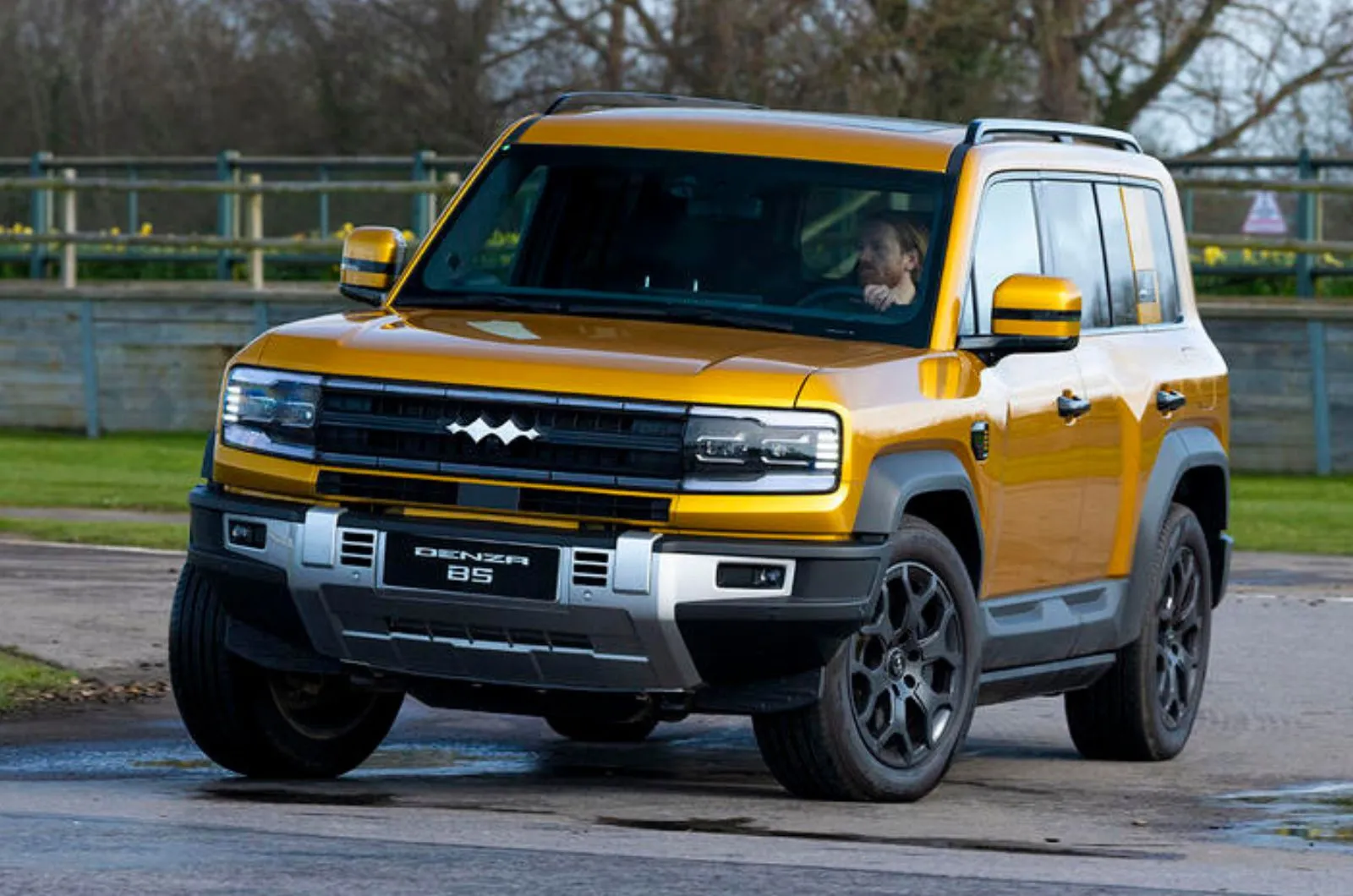
Known as the B5 in international markets such as Australia and the Middle East, the Bao 5 will soon land on UK shores as a rugged off-roader to compete against the Jeep Wrangler, Land Rover Defender and Toyota Land Cruiser. To help it do so, the relatively puny 1.5-litre engine is boosted by two electric motors to create a seismic 537bhp. That means 0-62mph is dealt with in just 4.8secs – quicker than every version of the Defender except the Octa – while delivering 56 miles of range from a 31.8kWh battery.
It also offers a considerable standard equipment list, including a 15.6-inch touchscreen, cooled Nappa leather seats and steering wheel-based camera controls to help you negotiate tight spaces and rough surfaces.
Read more: Denza Bao 5
Denza Z GT
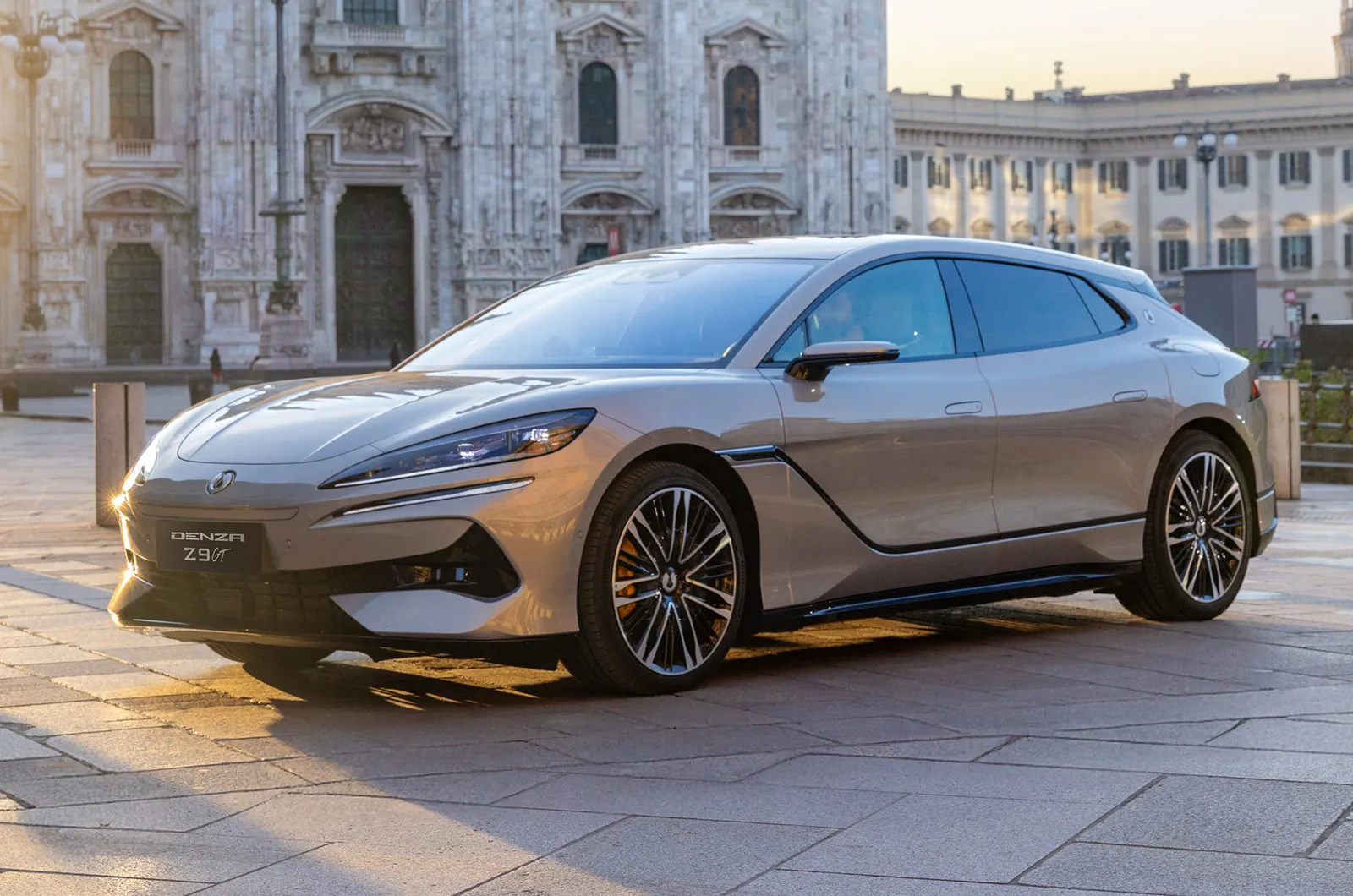
Denza’s flagship, the Z GT is BYD’s alternative to the Audi E-tron GT and Porsche Taycan. In range-topping form, the Z GT will feature a trio of electric motors to generate 1582bhp. That’s enough oomph to reach 62mph in just 1.96sec, making the Z GT one of the fastest-accelerating cars in the world. With an official range of 254 miles, the Z GT can travel further between charges than an E-tron GT or Taycan. And you won’t have to spend long at the chargers, either, with a maximum rate of 1500kw meaning a 10-70% charge can take as little as five minutes. But it’s worth noting that there are no chargers currently in the UK that will get close to that rate of charge.
advertisement
scroll for more
Read more: Denza Z GT
Ferrari Luce
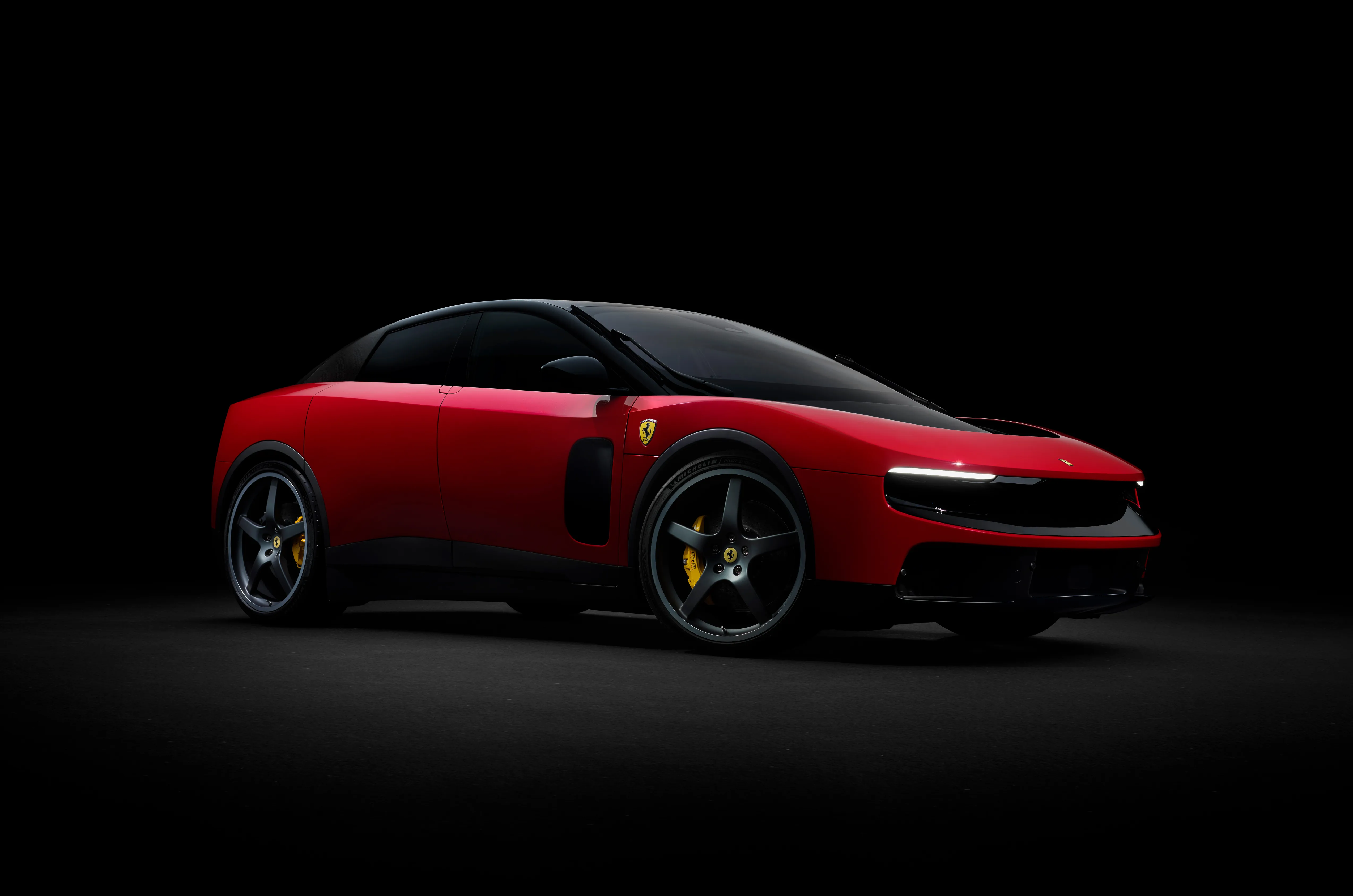
This is a big one. Ferrari has toyed with hybrid engines for a few years now with cars such as the 296 GTB, but never before has it gone fully electric. That will change when it releases the Luce; a four-door, four-seat shooting brake which channels flashbacks of the GTC4 Lusso. Producing 1035bhp from its quad-motor setup, the Luce will sprint from 0-62mph in just 2.5sec. It’ll also get four-wheel steering and semi-active suspension (like the one in the Purosangue) to help combat the 2.3-tonne weight, and provide some thrilling handling ability, claims Ferrari. The Luce is also expected to deliver around 330 miles of range from its 122kWh (total capacity) battery, which isn’t class leading, since the Audi E-Tron GT and Porsche Taycan will both go further, but it should suffice.
Read more: Ferrari Luce
Firefly EV
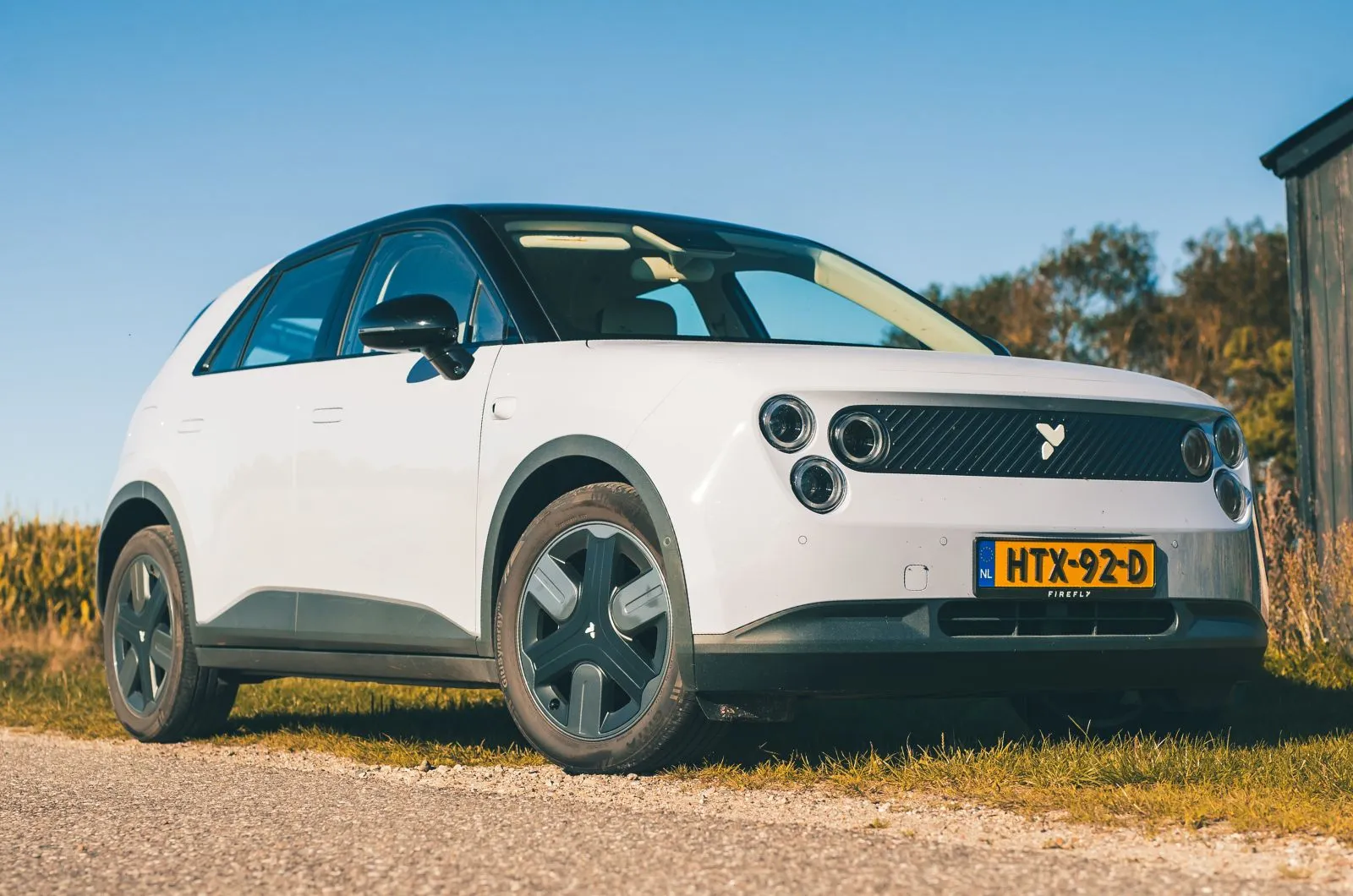
While they only come out in the summer, fireflies thrive on almost all continents. It’s no surprise, then, that the Chinese carmaker has plans to enter markets throughout Europe before the end of 2026. A sub-brand of Nio, another Chinese car brand getting ready to launch in the UK, Firefly currently sells one model in its home nation – an electric hatchback similar in size to the Mini Cooper Electric and Renault 5. However, unlike those two models, the Firefly has interchangeable batteries that can be swapped in a matter of minutes at a designated station. In China, the Firefly is sold with a 42.1kWh (total capacity) battery, giving it an official range of 261 miles on the China Light-Duty Vehicle test cycle (CLTC), which is more generous than the WLTP figures used in Europe. It sells for about £16,000.
advertisement
scroll for more
Read more: Firefly EV
Genesis GV60 Magma
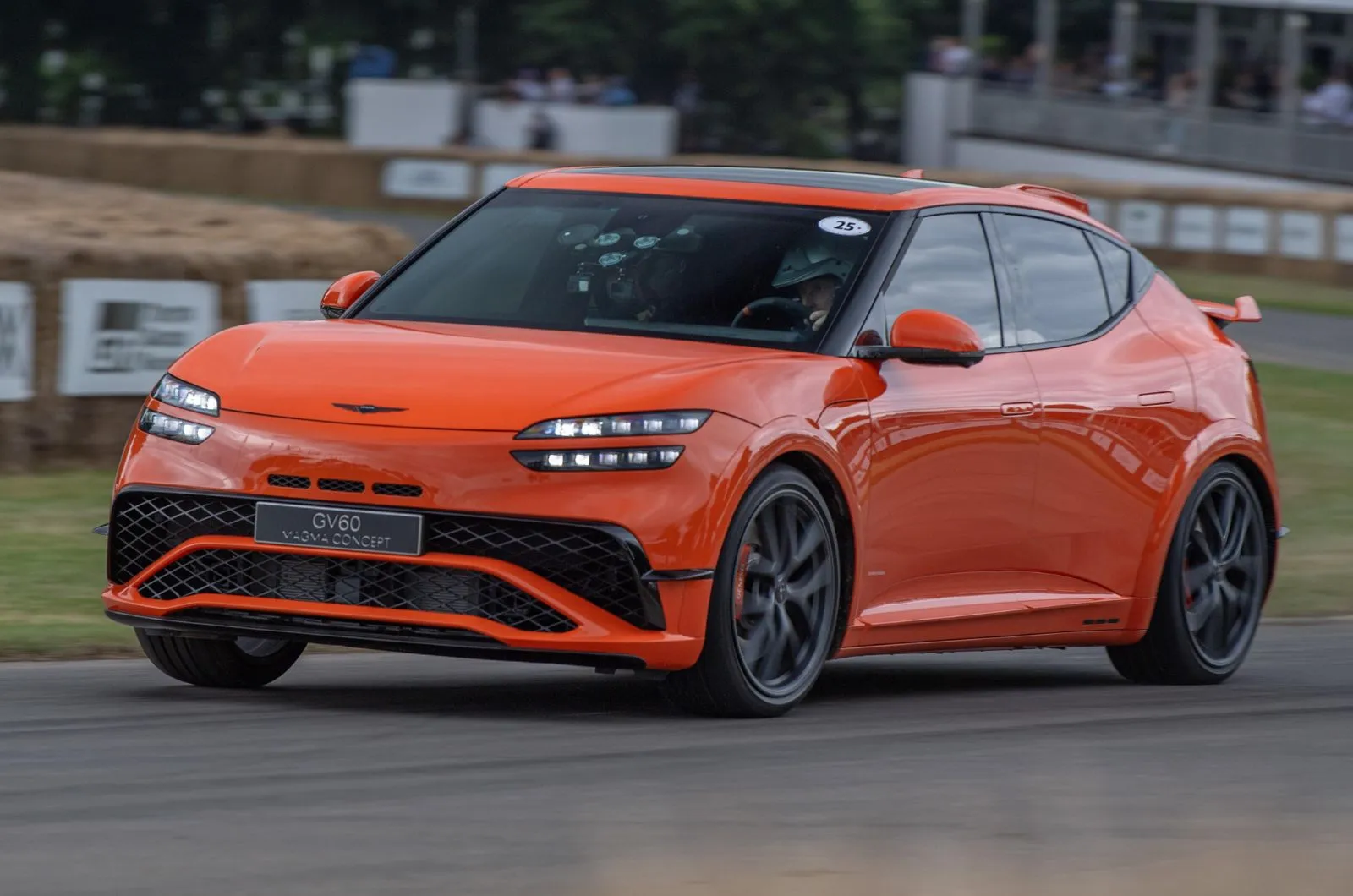
The plush, all-electric GV60 will be the first model to receive a makeover from Genesis’ performance-focused ‘Magma’ sub-division. Key rivals will include the Hyundai Ioniq 5 N and the Kia EV6 GT, and to prep it for battle, the GV60 Magma has an uprated 641bhp dual-motor setup, with 0-62mph dispatched in just 3.4sec en route to a top speed of 164mph. It certainly looks the part, thanks to a full-suite of aggressive bumpers and winglets, plus 21in forged alloys wrapped around Pirelli performance tyres. Genesis also says 278 miles of range can be drawn from its 84kWh battery, but should you use the Magma as intended, expect a far lower return.
Read more: Genesis GV60 Magma
Genesis GV90
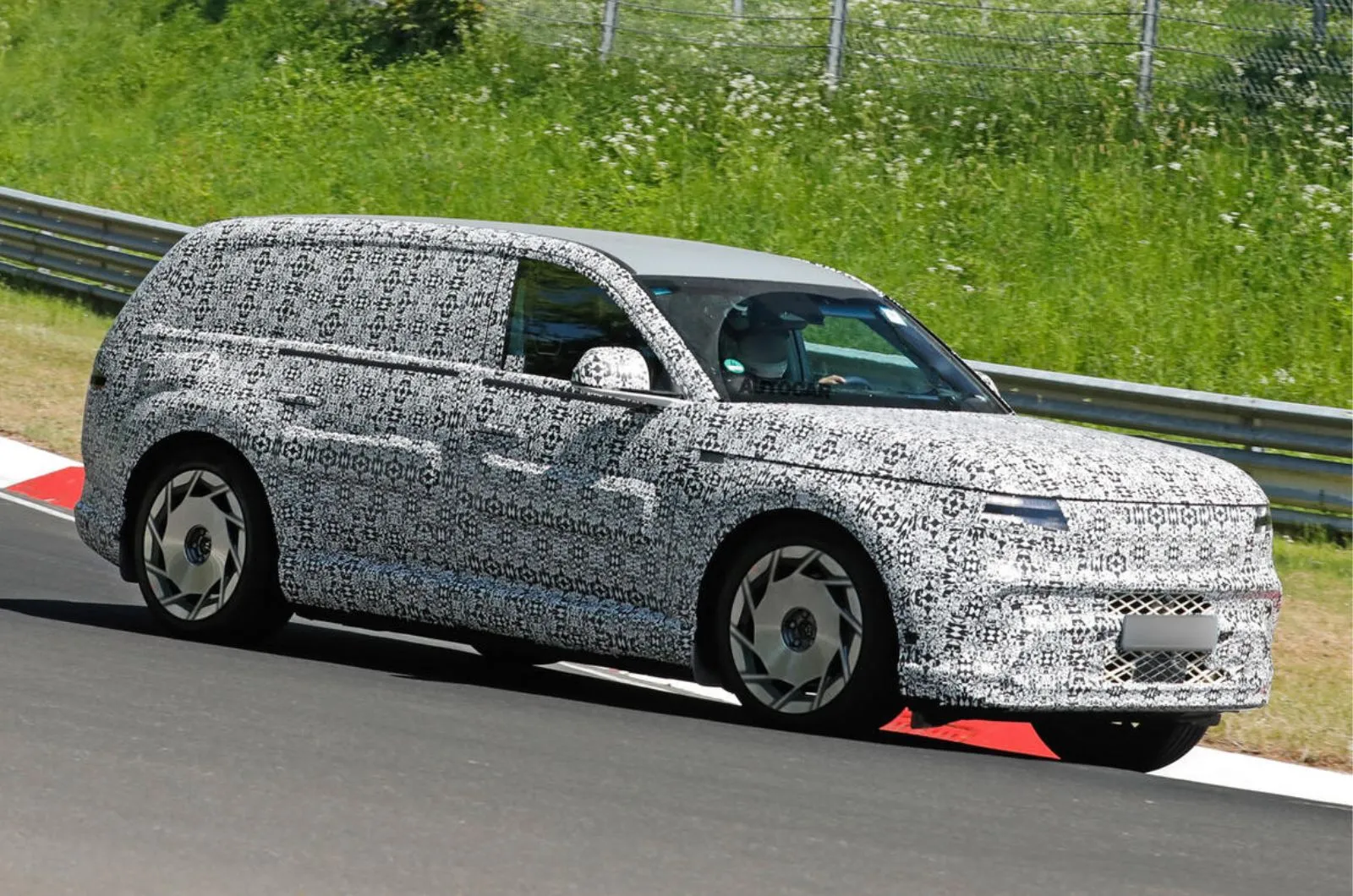
Hyundai’s luxury sub-brand, Genesis, is prepping a new flagship SUV to replace the now departed GV80 and rival the likes of the Range Rover Electric and Volvo EX90. Dubbed the GV90, we know it’ll share the same basic underpinnings as the Kia EV9 and Hyundai Ioniq 9, and utilize similar mechanical components. For some context, the EV9 has a 96kWh (usable capacity) battery with a maximum range of 349 miles, while the Ioniq 9 gets a meatier 106kWh (usable capacity) pack which can cover up to 385 miles. Both cars can be had in either rear- or all-wheel drive versions, while the most powerful between them, the Kia EV9 GT, produces a massive 502bhp.
advertisement
scroll for more
As for styling, the GV90 will draw heavily on 2024’s Genesis Neolun concept, though ditching some of the more outlandish features: the hardwood floor, reverse-opening rear doors, rotating front seats and pop-out infotainment screen, to name a few. Nevertheless, some outlandish features will remain, including rear-hinged doors and a retractable theatre screen to keep passengers entertained on long journeys.
Hyundai Ioniq 3
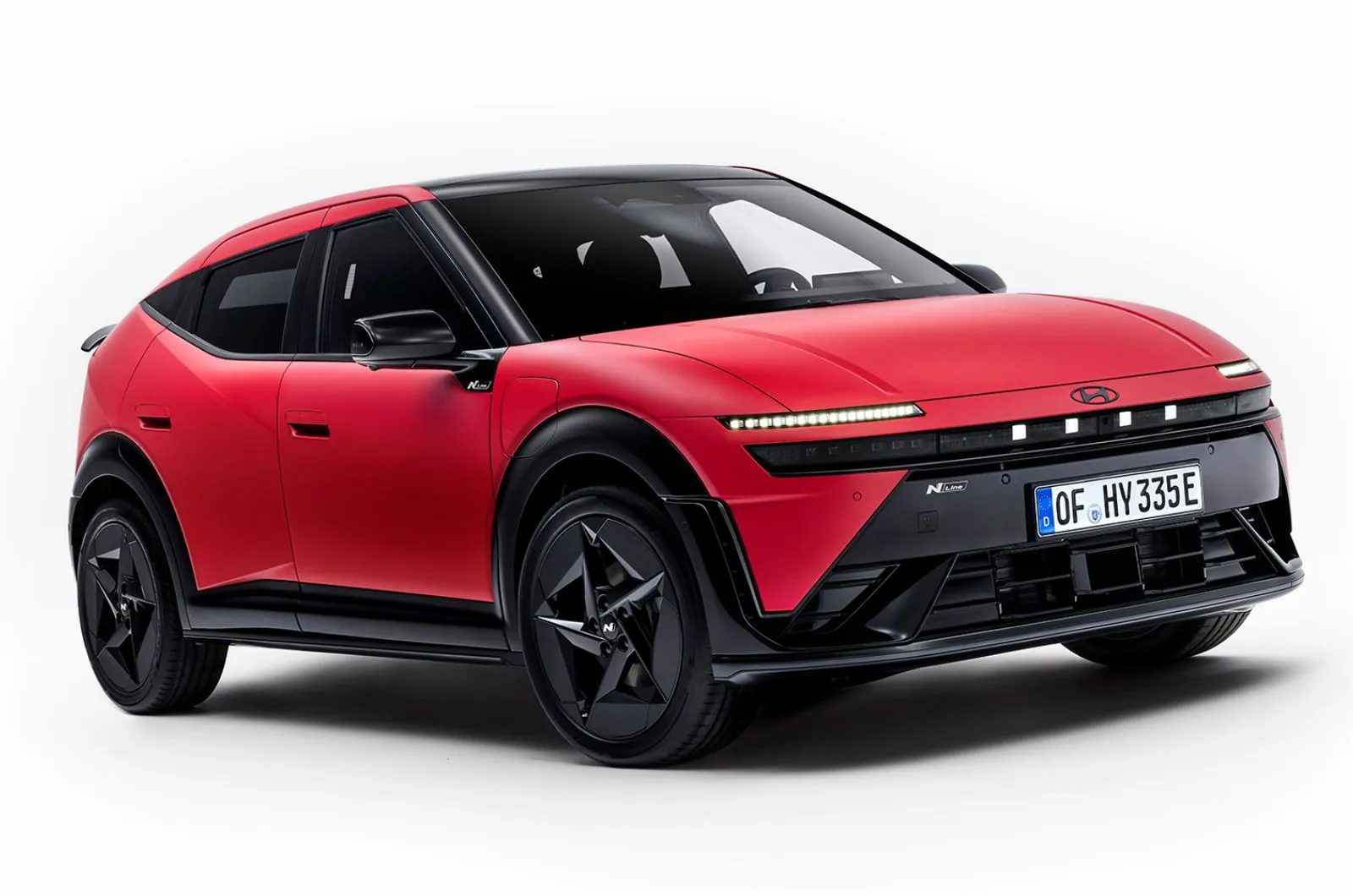
Hyundai has done an excellent job of rewriting the way the world thinks of it, and having released a number of impressive electric cars – in both design and performance – next on the list is an entry-level model. Based on the fabulous Concept Three, the forthcoming Ioniq 3 will start at £25k, which undercuts the similarly-sized Volkswagen ID 3. Two versions of the Ioniq 3 will be available, with the more expensive Long Range capable of covering 308 miles between charges and offering reasonable performance from its 133bhp electric motor. Inside, the Ioniq 3 is lined with plush-looking materials and gets a 12.9in infotainment screen. We’re expecting this compact hatchback to continue the brand’s strong form.
advertisement
scroll for more
Read more: Hyundai Ioniq 3 review
Hyundai Staria
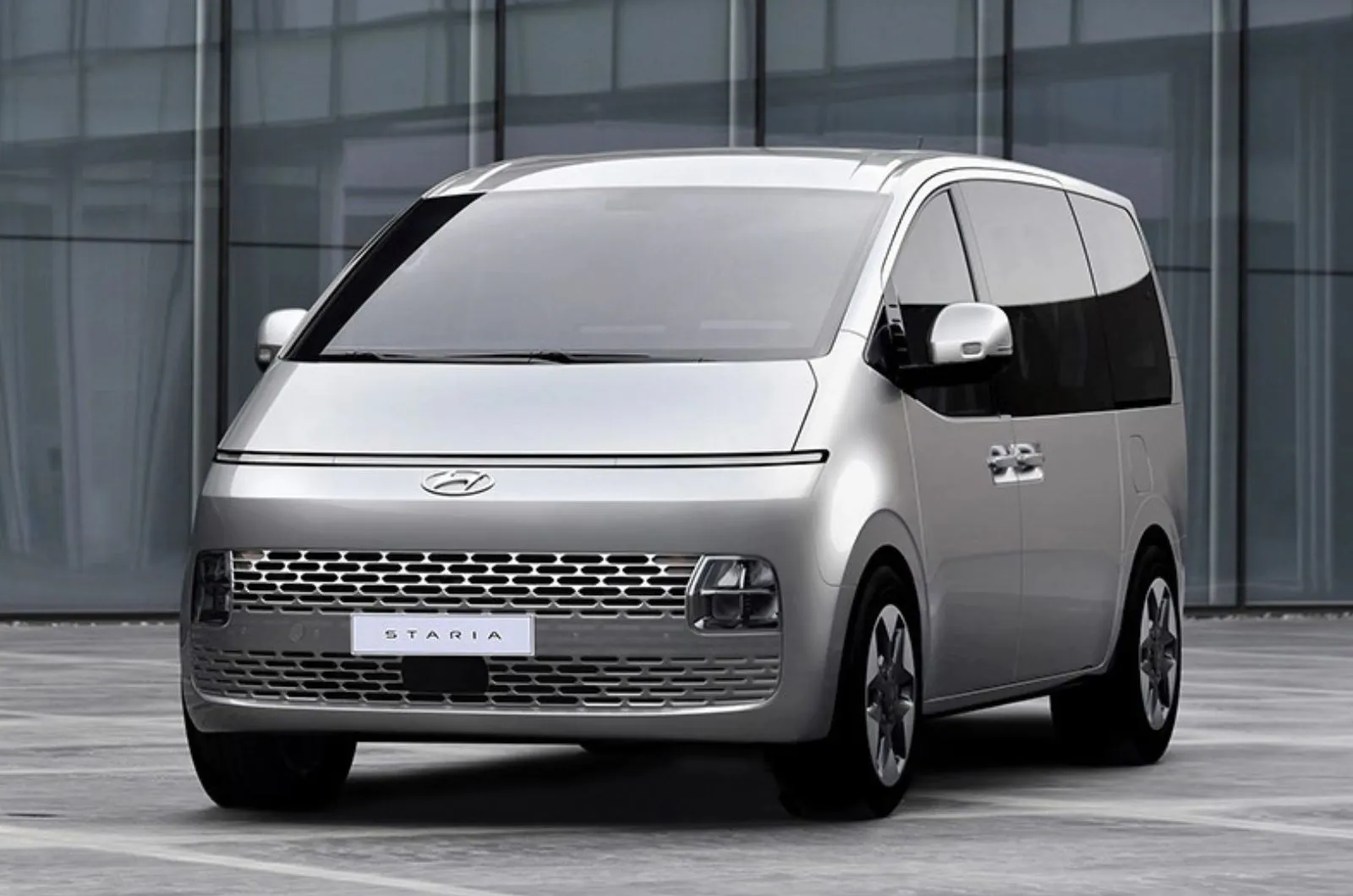
The Staria has been on sale in some other countries since 2021, but later this year, Hyundai is finally bringing its boxy MPV to our shores to compete with the Kia PV5 and VW ID Buzz. Two versions will be available: a luxury family-focused seven seater, and a nine-seat model tailored for shuttle services.
Regardless of which configuration you go for, the Staria will come with a 215bhp electric motor and 84kWh (usable) battery to deliver a projected 249 miles of range; unfortunately, that would fall short of both the PV5 (256 miles) and ID Buzz (300 miles). Other key features for the Staria include dual 12.3in displays, vehicle-to-load (V2L) functionality and 435 litres of boot space (in the seven seater), with a £50,000 starting price mooted.
Read more: Hyundai Staria
Kia Seltos
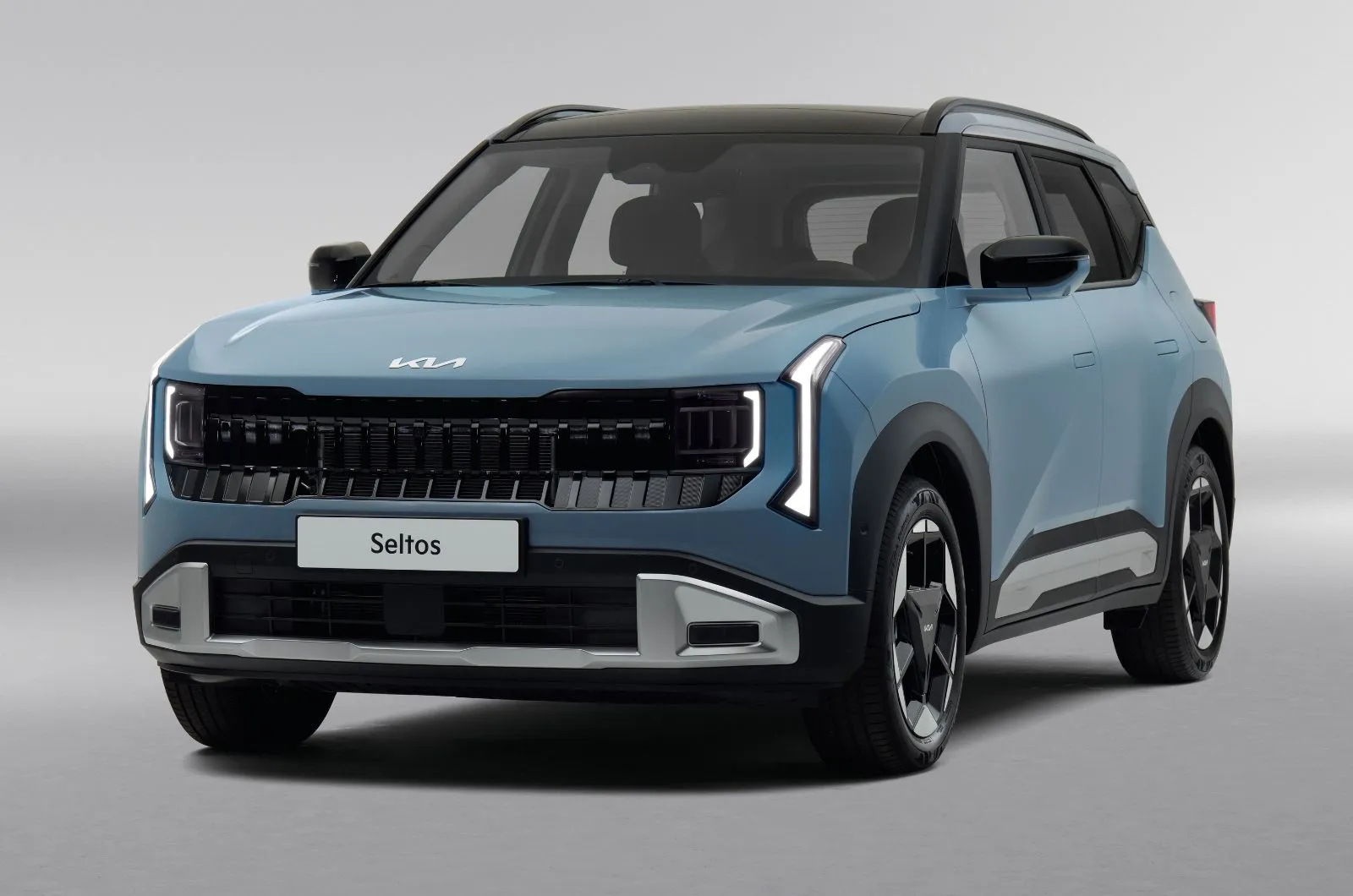
Kia has confirmed its second-generation Seltos is coming to the UK, where it’ll slot in between the Kia Stonic and the Kia Sportage. The issue is, there’s already a car fulfilling that purpose: the Kia Niro. And while that car comes with a variety of engines (electric, hybrid or plug-in hybrid), the Seltos will be available exclusively as a full hybrid. So what exactly is the purpose of this car, you may ask?
advertisement
scroll for more
Simple: choice. Kia sells a lot of EVs, but it continues to sell even more combustion cars. The demand for compact, hybrid SUVs is still very high, so the Seltos – which will have either 150bhp and rear-wheel drive, or 175bhp and four-wheel drive – will lean into that demand. Key characteristics include Vehicle-to-Load (V2L), a pair of 12.3in screens and a 536-litre boot (that’s bigger than a Skoda Karoq).
Read more: Kia Seltos review
Leapmotor B03X
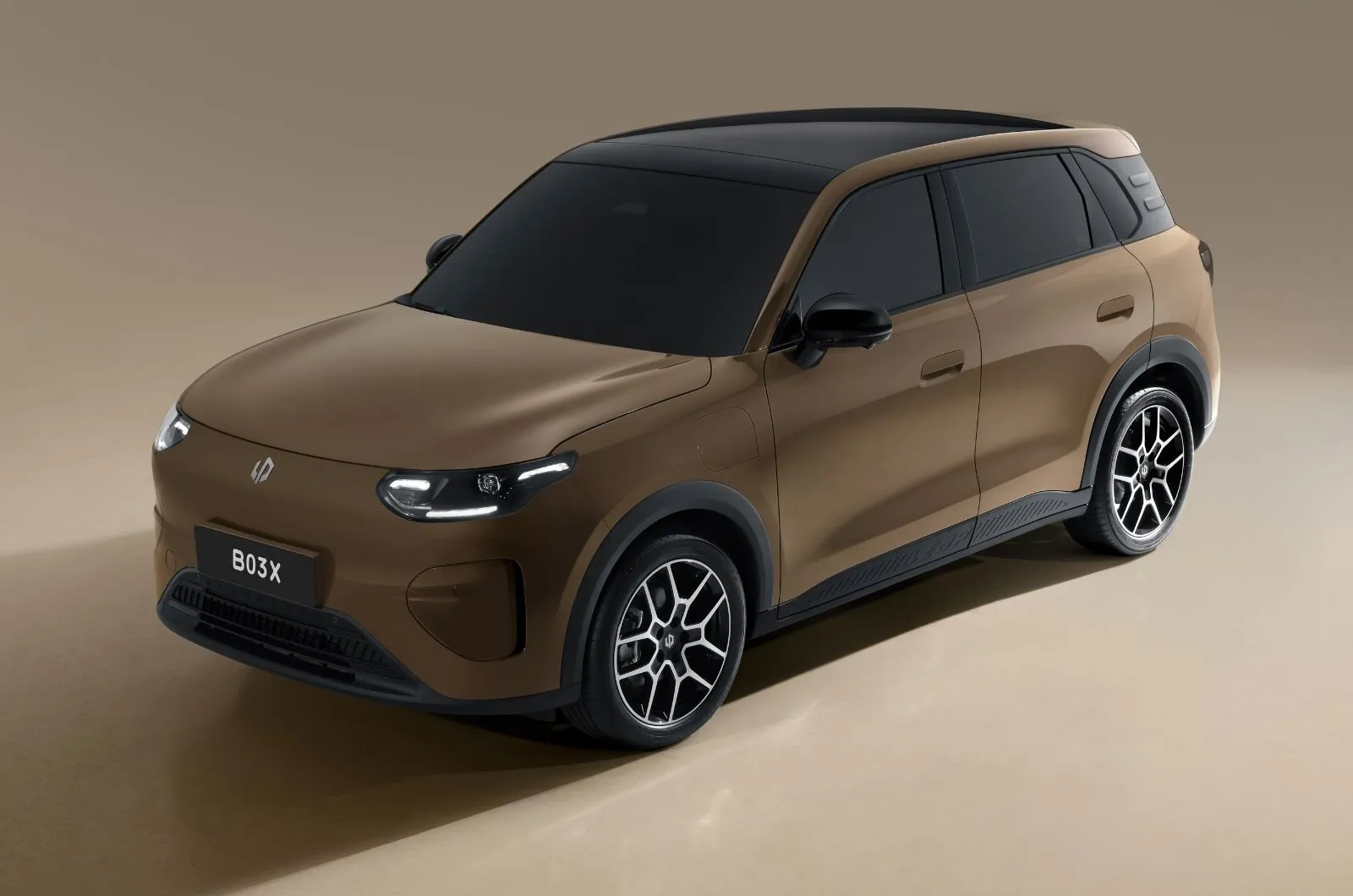
Stellantis-backed Leapmotor is all set to launch its fourth car, the B03X small electric SUV, in the coming months, and its £25k target price puts it up against the Ford Puma Gen-E and the Renault 4. Leapmotor is yet to disclose the battery size, but it has confirmed the B03X achieved 311 miles of range in China’s equivalent of the WLTP test (which, admittedly, isn’t as stringent). We’re expecting closer to 250 miles in reality, which is still competitive with the Puma Gen-E (233 miles) and the Renault 4 (245 miles).
advertisement
scroll for more
The interior is also expected to follow a similar profile to the other two SUVs Leapmotor currently sells in the UK – the B10 and C10. So that means very few buttons (if any), a 14.6in central touchscreen, 8.8in digital driver’s display, 106 litres of storage beneath the boot and a LiDAR sensor just above the windscreen. Customers will also get a choice of six body colours, plus 18in alloys from standard.
Read more: Leapmotor B03X
Lepas L8
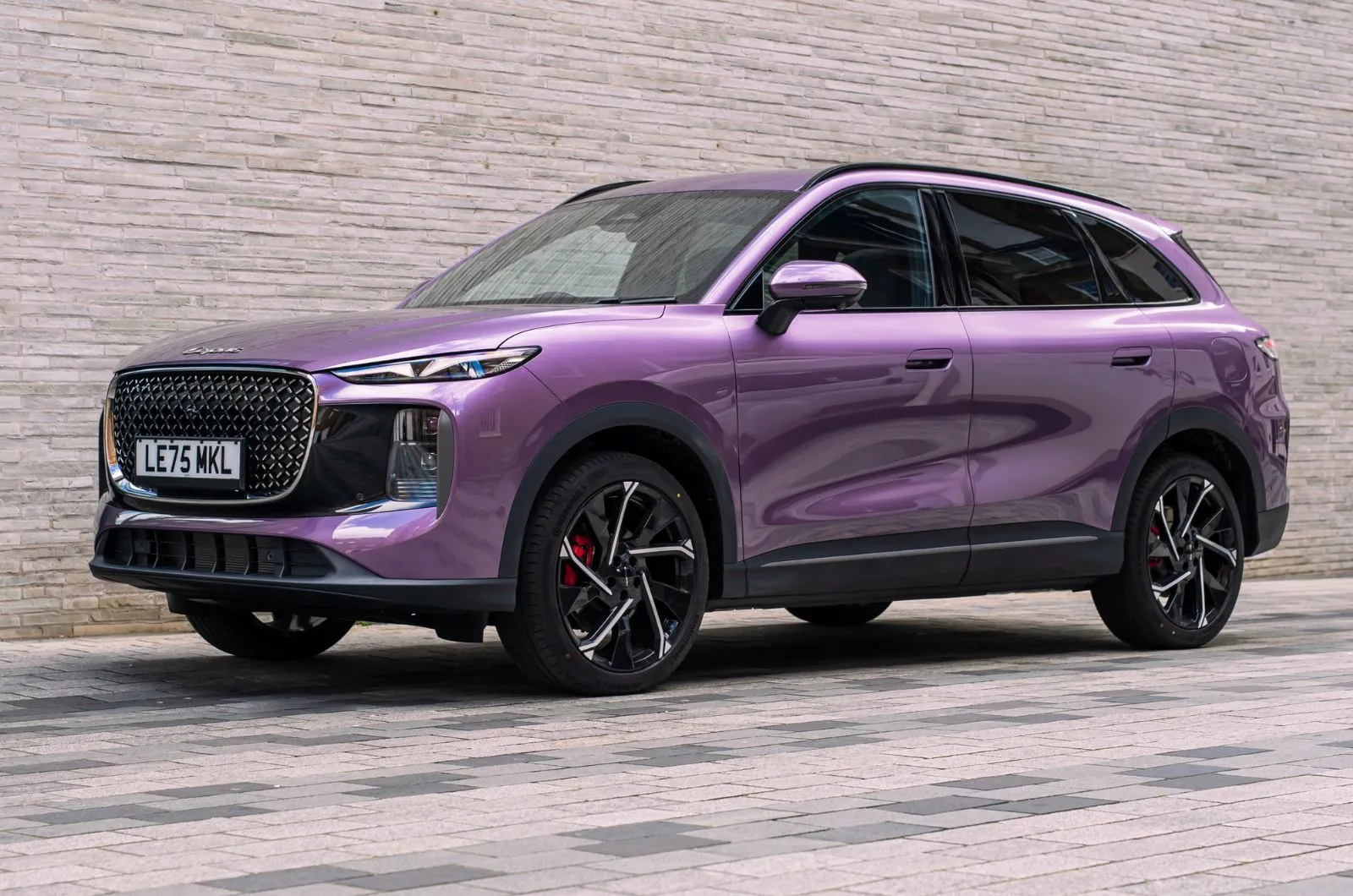
Lepas – which operates under the Chery group alongside brands like Jaecoo and Omoda – will make its UK debut with this: the L8 family SUV. It will borrow underpinnings from other Chery-based vehicles, and use the same 201bhp PHEV set-up seen in the Jaecoo 7; that’s a 1.5-litre petrol engine, electric motor and 18.4kWh battery. Expect 56 miles of EV-only driving, plus a 0-62mph time of 8.5sec.
Mercifully, the L8 looks like it’ll get some actual physical buttons for things like the volume control and seat heating. Elsewhere, it comes with a 13.2in vertical touchscreen, 50W wireless smartphone charging pad, 23-speaker audio system and a rather large panoramic roof. Handily, Lepas will also include something called a ‘negative-ion air purification system’, which flushes charged electrons into the interior to combat bacteria, dust and any other foibles for delicate noses.
advertisement
scroll for more
Read more: Lepas L8
Mazda CX-6e
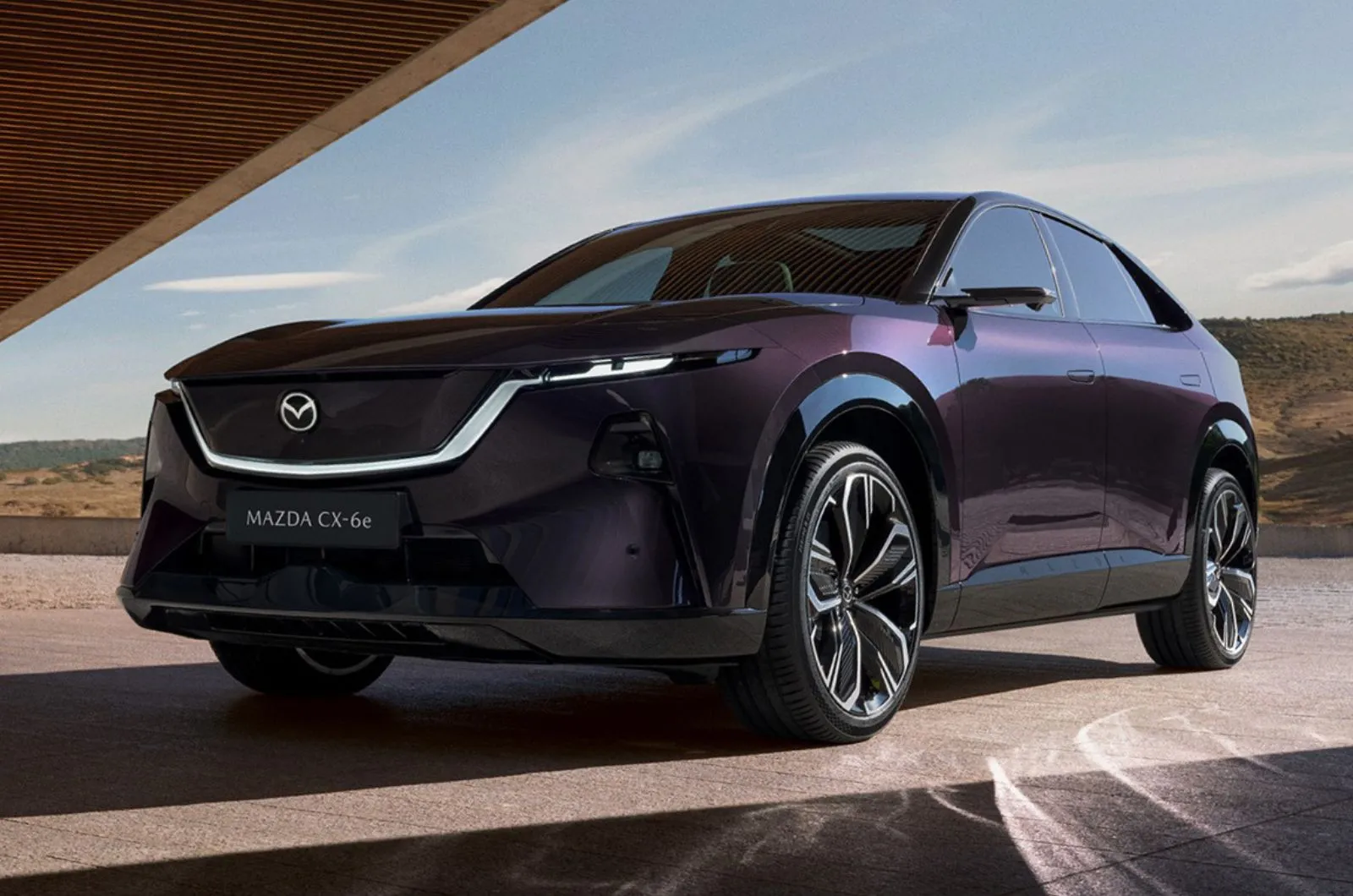
The CX-6e will arrive this winter as the electrified alternative to the Mazda CX-60 SUV, and compete with cars including the Audi Q4 e-tron, Skoda Enyaq and Tesla Model Y. The 78kWh battery will deliver an official range of 301 miles (or 291 in the top-spec Takumi Plus trim), which, for context, is around 36 miles fewer than the Q4 e-tron, and 59 miles less than the Enyaq 85. The 7.9sec 0-62mph time is also well off any and every version of the Model Y.
It does at least look the part externally, with those thin LED daytime running lights, LED-outlined lower grille and sporty, sloping roofline reminiscent of the new Mazda 6e saloon. The interior is similarly high-tech, dominated by a large 26in vertical display, while rear-seat riders have access to a small touchscreen that can be used to adjust the climate control, panoramic roof and their own seating position. Expect the CX-6e to cost from around £45k.
advertisement
scroll for more
Read more: Mazda CX-6e
Mercedes-AMG GT 4-door EV
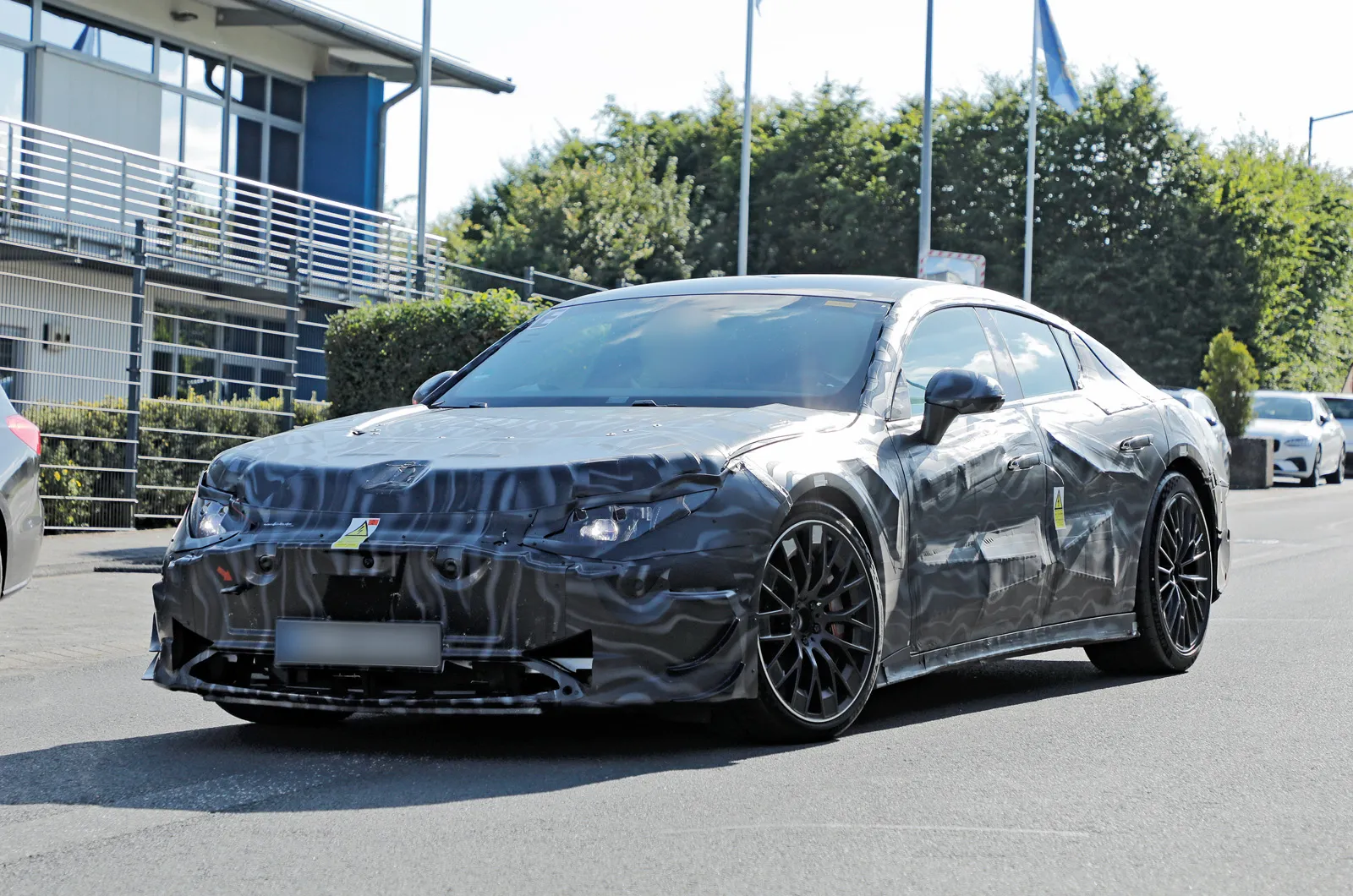
The production version of the Mercedes-AMG GT XX concept car – which managed to cover 3405 miles in 24 hours – will be the brand’s first bespoke all-electric car for nearly 60 years. Replacing the current petrol-powered Mercedes-AMG GT 4-door, the the Mercedes-AMG GT 4-door EV features three electric motors to produce up to 1169bhp; more than the Lotus Emeya 900 or Porsche Taycan Turbo GT can manage. As a result, it can reach 62mph in as little as 2.4sec. What’s more, to boost the driving experience, the GT 4-door EV will use a V8-inspired artificial engine noise and a simulated gearbox; similar to that in the Hyundai Ioniq 5 N.
Read more: Mercedes-AMG GT 4-door EV
Mercedes C-Class EQ
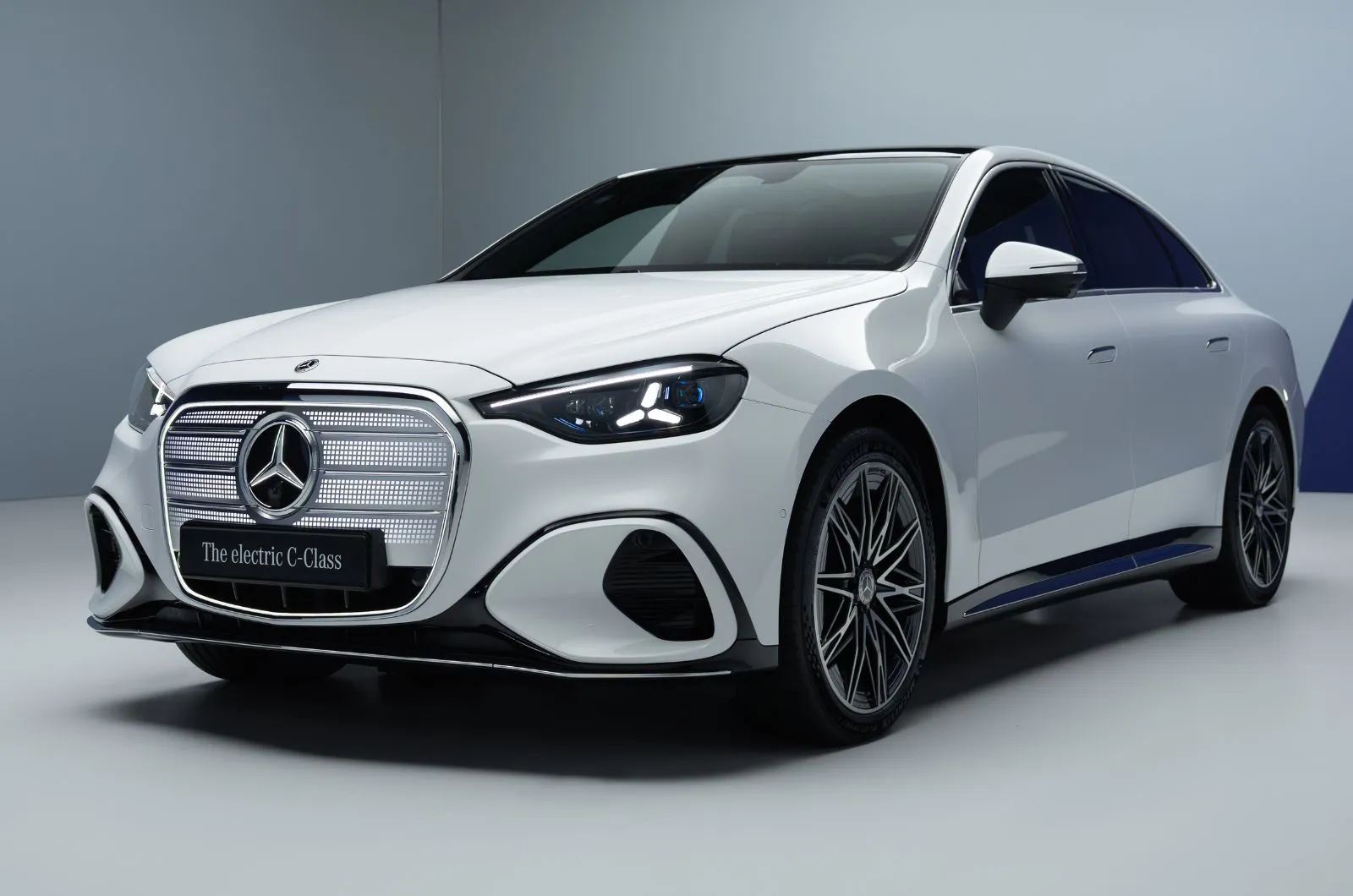
The BMW 3 Series’ long-standing rival will also be going green in 2026. Dubbed the C-Class ‘EQ’, it will be sold alongside the current combustion-powered models, but in actuality be more closely linked to the Mercedes GLC SUV – sharing much of its styling and mechanical bits and bobs. Underpinned by 800-volt architecture, the EQ will get a 94.5kWh (usable capacity) battery that will be universal to the lineup, and can be paired with a series of motors; from a 335bhp single-motor to a 483bhp dual-motor. Estimated range? Well, from launch the C-Class EQ will be able to officially manage 472 miles between charges, but a near-500-mile version will also be added to the lineup shortly after launch.
advertisement
scroll for more
Styling has been kept mostly under wraps, but we do know it’ll get the new ‘Iconic’ light-up grille, fronted by 100 individual three-pointed stars, plus star-shaped headlights. MB has also confirmed it will get more head and legroom, plus boot space, than previous EQ-badged saloons. With prices expected to start around the £50k region, the stage seems all but set for the 3 Series and the C-Class to continue their heavyweight bout on the sales charts.
Read more: Mercedes C-Class EQ
Mercedes GLS
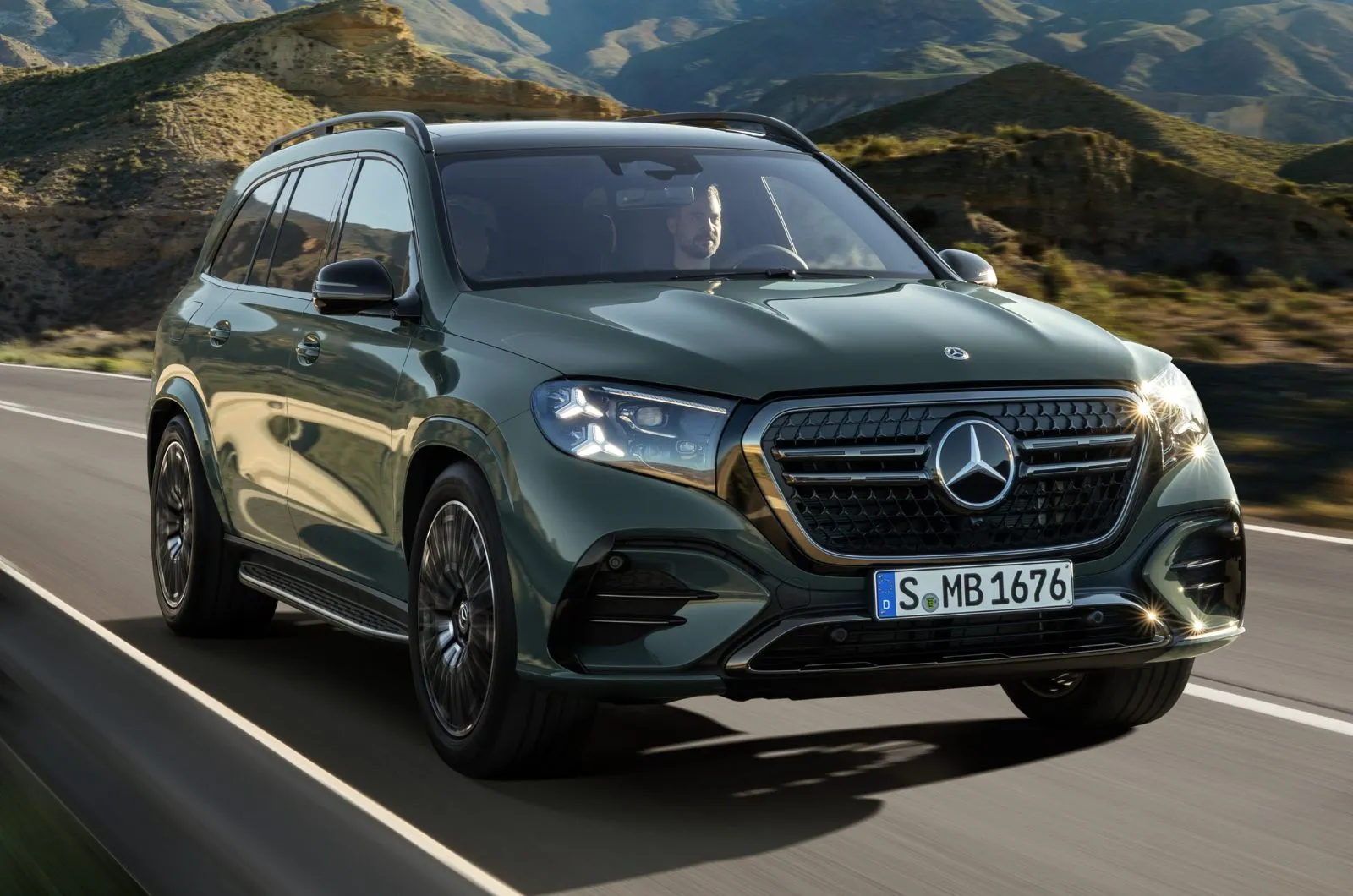
The new Mercedes GLS looks to address one of the key shortcomings of the current version: ride quality. The BMW X7 and Range Rover are superior to that car over imperfections on the road, but this replacement will get an overhauled air suspension setup that can scan the road 1000 times per second to prepare for lumps in the road. It also features cloud-based connectivity to send and receive information on road conditions to other Mercedes cars.
advertisement
scroll for more
The new seven-seat GLS also features an overhauled interior, which features improved materials and more tech. This includes the company’s MBUX Superscreen: a trio of displays that spans the width of the dashboard, entertainment tablets for rear passengers and five-zone climate control as standard. Two petrol and two diesel engines will be offered, all of which have been re-engineered to be smoother and quieter than before.
Read more: Mercedes GLS
Mercedes VLE
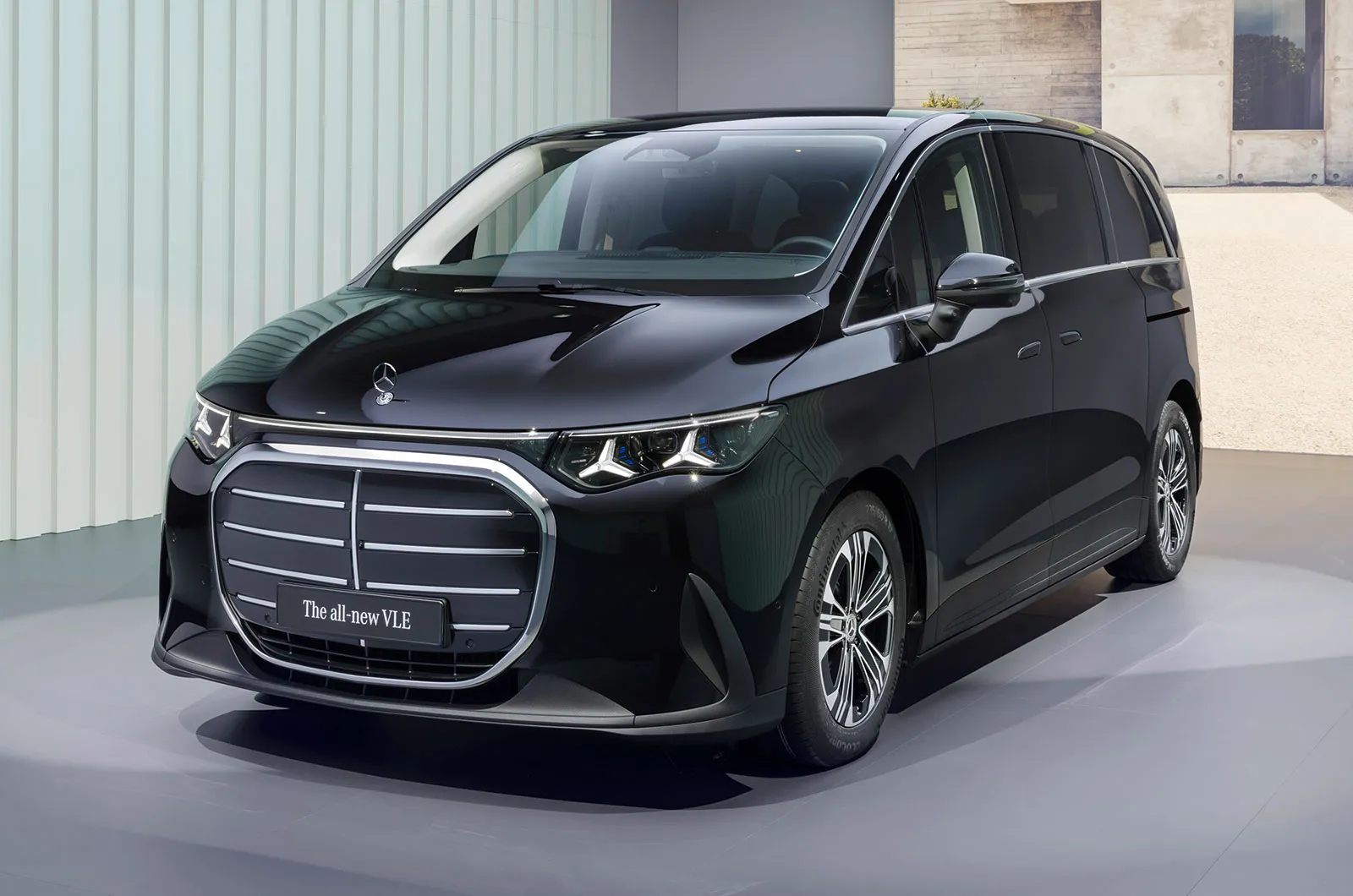
2026 is shaping up to be a big year for Mercedes, with no fewer than 16 new or facelifted vehicles set for release. One of them will be the next-generation VLE MPV, which will sit on entirely new 800-volt architecture that will also underpin future Mercedes commercial vehicles, like the next Mercedes Sprinter van. These new underpinnings are said to make the VLE smarter and more agile than the current Mercedes V-Class, and is specifically tailored for EVs.
In the VLE, that setup includes a 115kWh (usable) battery with up to 434 miles of range per charge – significantly better than rivals such as the Citroën ë-Spacetourer and Vauxhall Vivaro Life Electric, which both have a claimed 143-mile range in theory, but offer closer to 100 miles in practice. Charging speeds of up to 320kW will be possible in the VLE, meaning a 10-80% top-up is complete in as little as 25 minutes.
advertisement
scroll for more
Read more: Mercedes VLE review
Omoda 4
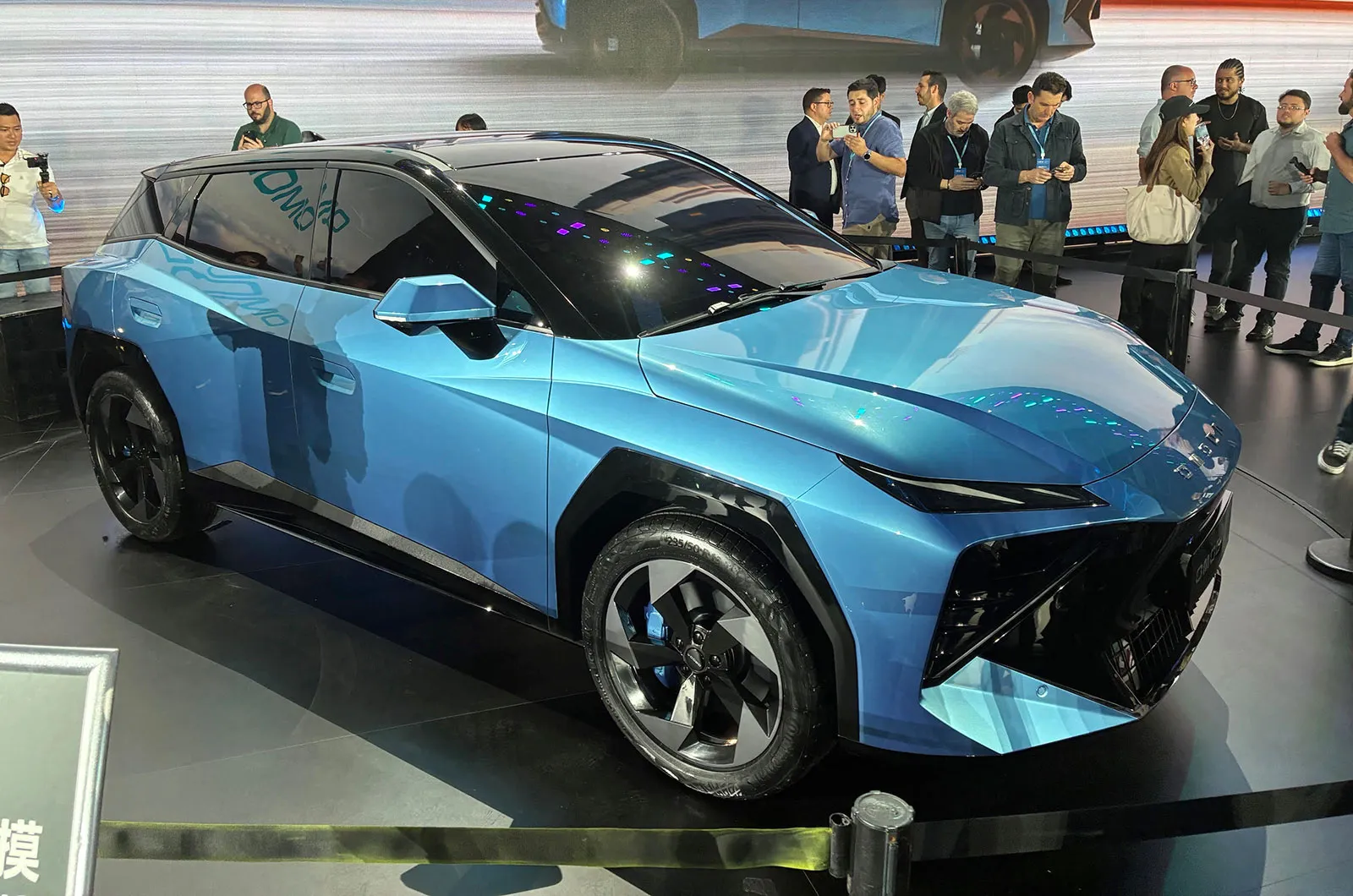
Despite offering similar styling cues to the Lamborghini Urus and Lotus Eletre, the Omoda 4’s main rivals will be small SUVs, such as the Kia EV3, MG4 and Volkswagen ID 3. Set to use the same underpinnings as the larger Jaecoo 7 and Omoda 5, the 4 will likely use the same ‘Super Hybrid System’ plug-in hybrid setup, which includes a 1.5-litre petrol engine, 1.8kWh battery and 221bhp electric motor. Later down the line, an electric version of the Omoda 4 will be added to the range, likely using the same 61kWh battery as the Omoda E5.
A particularly futuristic-looking model, the Omoda 4’s party piece will be its large central touchscreen, which you can connect a Nintendo Switch console to.
Read more: Omoda 4
Range Rover Electric
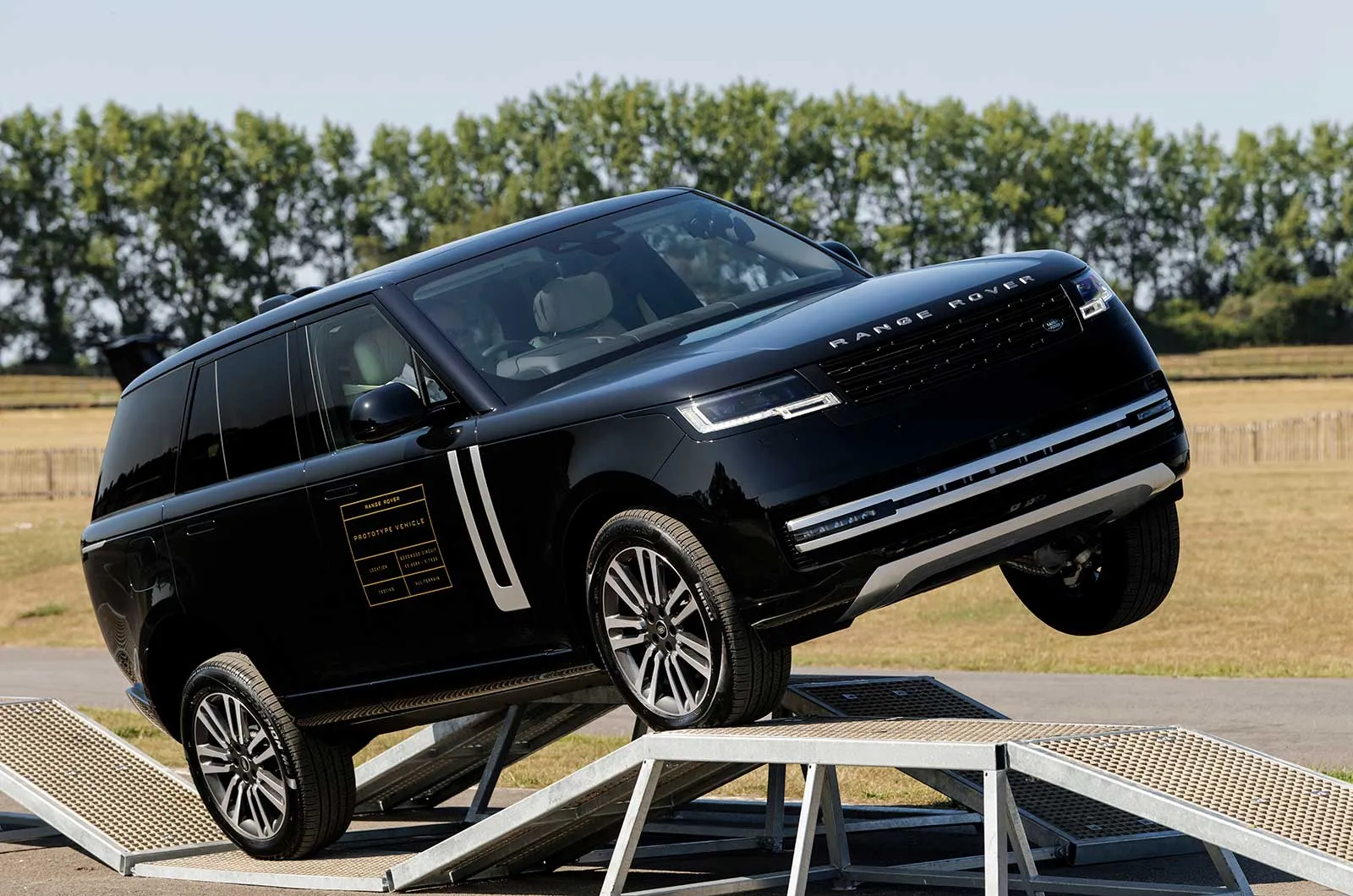
Aside from matte exterior detailing, the first electric Range Rover will look almost identical to its petrol and diesel siblings, which have been on sale since 2022. Land Rover is promising performance comparable with today’s 523bhp V8 model and that the towing, wading and all-terrain capabilities will exceed those of any other luxury electric SUV. Indeed Land Rover bosses say it will be a Range Rover first, and an EV second.
advertisement
scroll for more
Read more: Range Rover Electric review
Renault Twingo
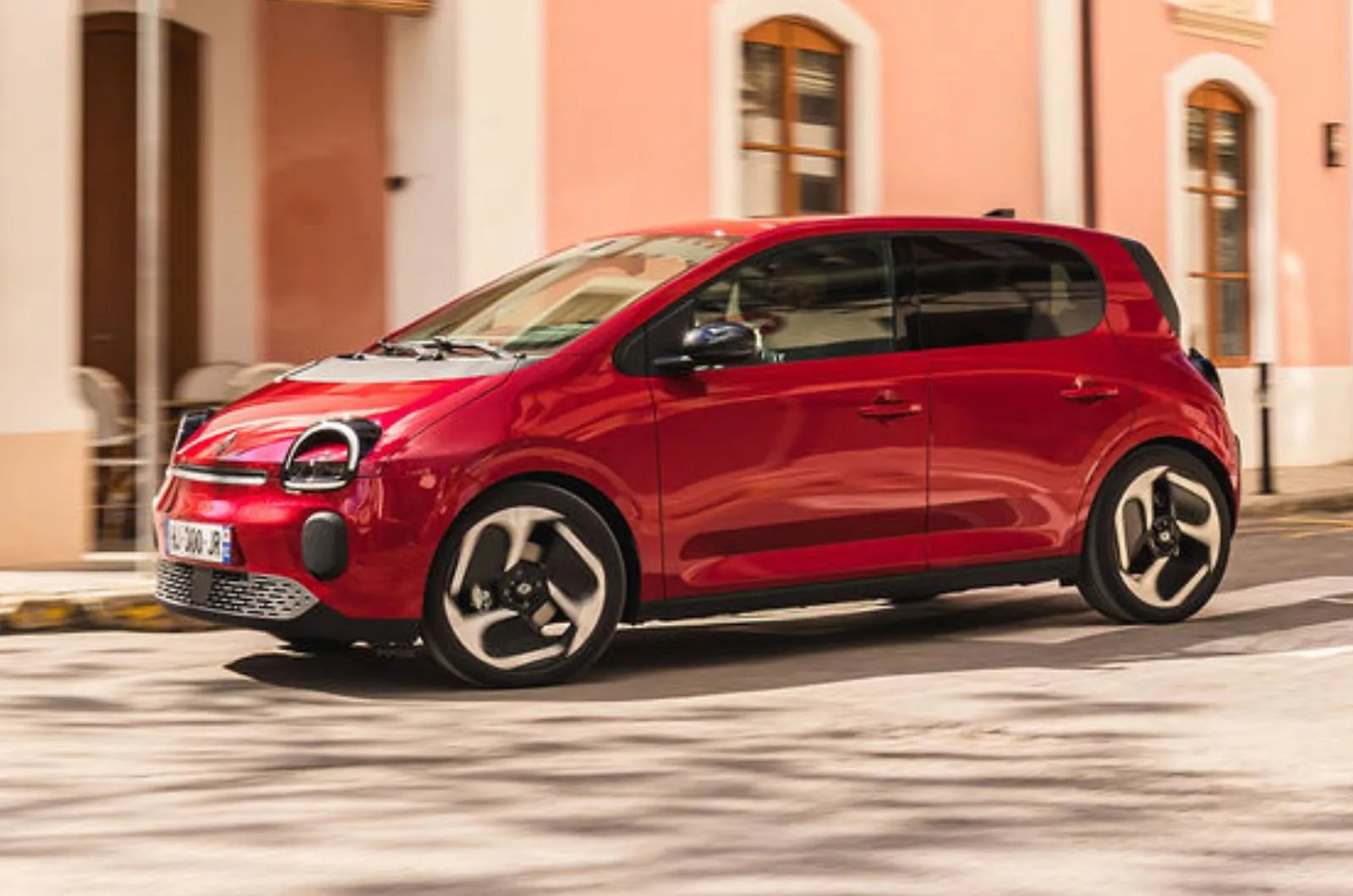
Renault’s retro revolution is only going from strength to strength, with the reinvented Twingo all set to join the brilliant R4 and R5 models. Its dinky design has been spun off the first-generation model; that’s where the semi-circle headlights, upper bonnet scoops and plump shape come from.
It’ll be competing with the Fiat 500e and Vauxhall Corsa Electric in the city car class, but will cost significantly less than both with a target price of under £20k. That’s not quite as cheap as the Dacia Spring or Leapmotor T03, but with a more attractive interior to its resume, which includes dual screens, physical buttons and a bigger boot than the R5, we reckon it’ll be worth the premium. A range figure of 163 miles is also far better than the Spring (140 miles) and even the most basic 500e (115 miles), though a 12.1sec 0-62mph time from its teeny 80bhp e-motor means you won’t be getting anywhere in a rush.
advertisement
scroll for more
Read more: Renault Twingo review
Volkswagen ID Cross
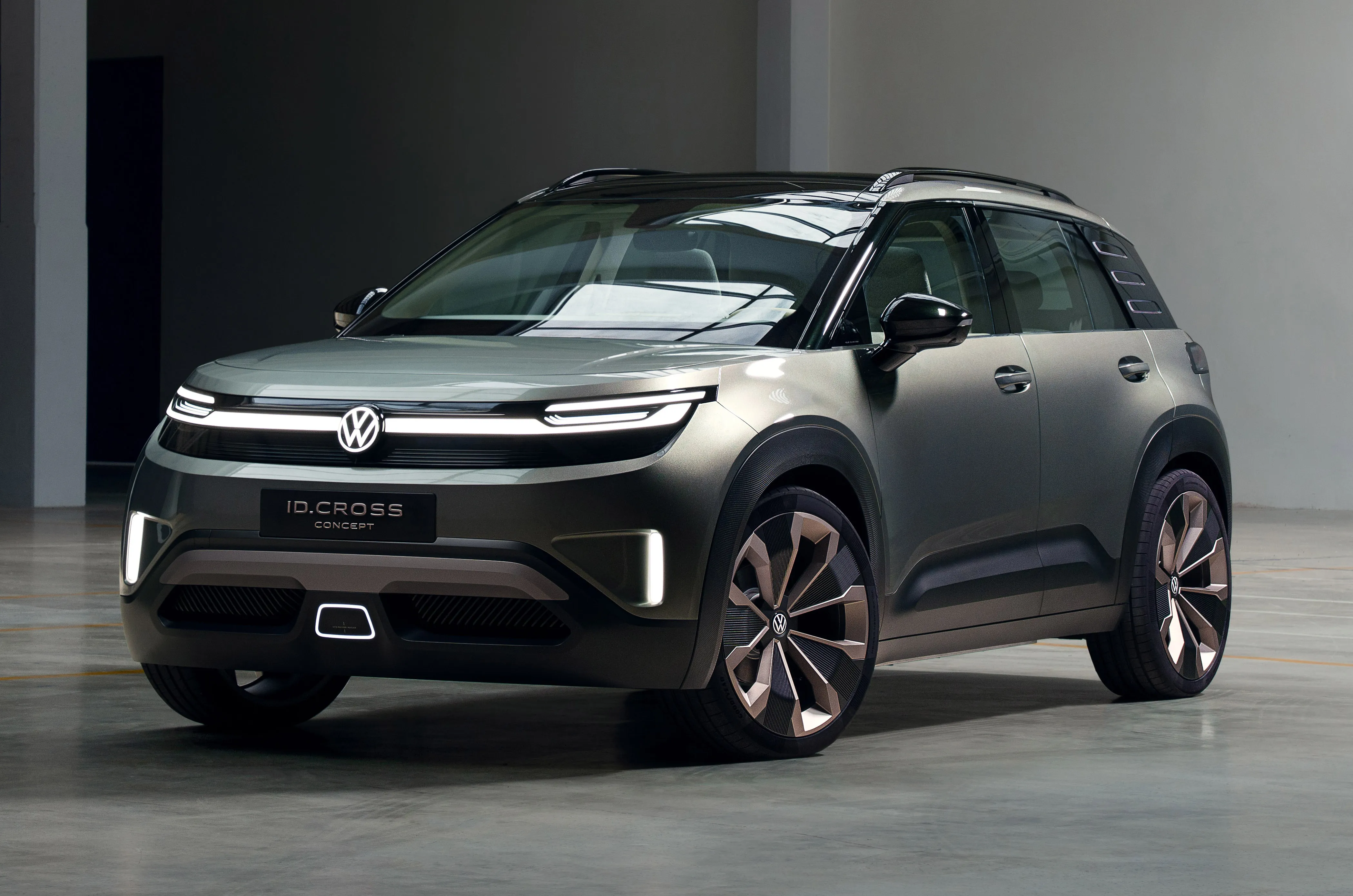
Volkswagen’s first entry into one of the most competitive new car markets, the small electric SUV class, the Volkswagen ID Cross’s key rivals will include everything from the Ford Puma Gen-E and Kia EV3 to the Renault 4 and Smart #1. Sharing its underpinnings with the Skoda Epiq and Volkswagen ID Polo, the ID Cross will be offered with 37kWh and 52kWh (usable capacities) batteries, with the latter officially managing 271 miles between charges.
The ID Cross’s interior is similar to that of the ID Polo, which is no bad thing. There’s plenty of plush materials, a responsive 12.9in infotainment touchscreen and a handy row of physical buttons. The ID Cross’s boot also outclasses most rivals, thanks in part to a large under-floor compartment.
Read more: VW ID Cross
Volkswagen ID Polo
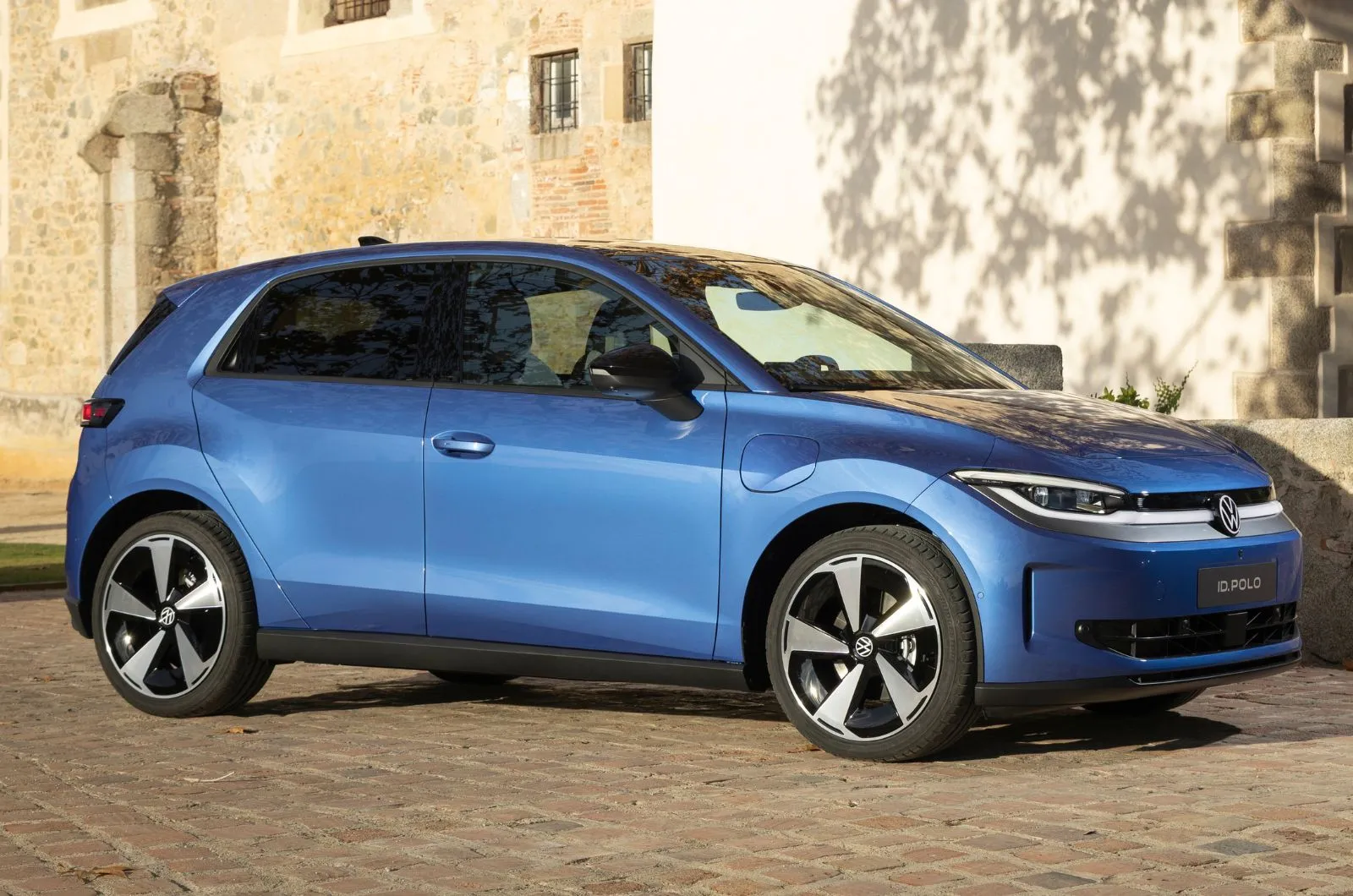
Based on the ID 2all concept that was shown in 2023, the ID Polo will rival the Peugeot e-208 and Mini Cooper Electric. It’s the first VW Group model to use all-new, simplified underpinnings designed specifically for small electric cars. 37kWh and 52kWh (usable capacities) versions will be available, with the latter officially capable of 280 miles, and can manage a 10-80% charge in as little as 23 minutes. Volkswagen is also working on a GTI variant – the first time VW Group will use the famous three-letter moniker on an EV – which will make 223bhp. Inside, the ID Polo features a surprising amount of plush materials for its price, and there’s more room for adults in the back than you’ll find in most small EVs.
advertisement
scroll for more
Read more: Volkswagen ID Polo review
XPeng X9
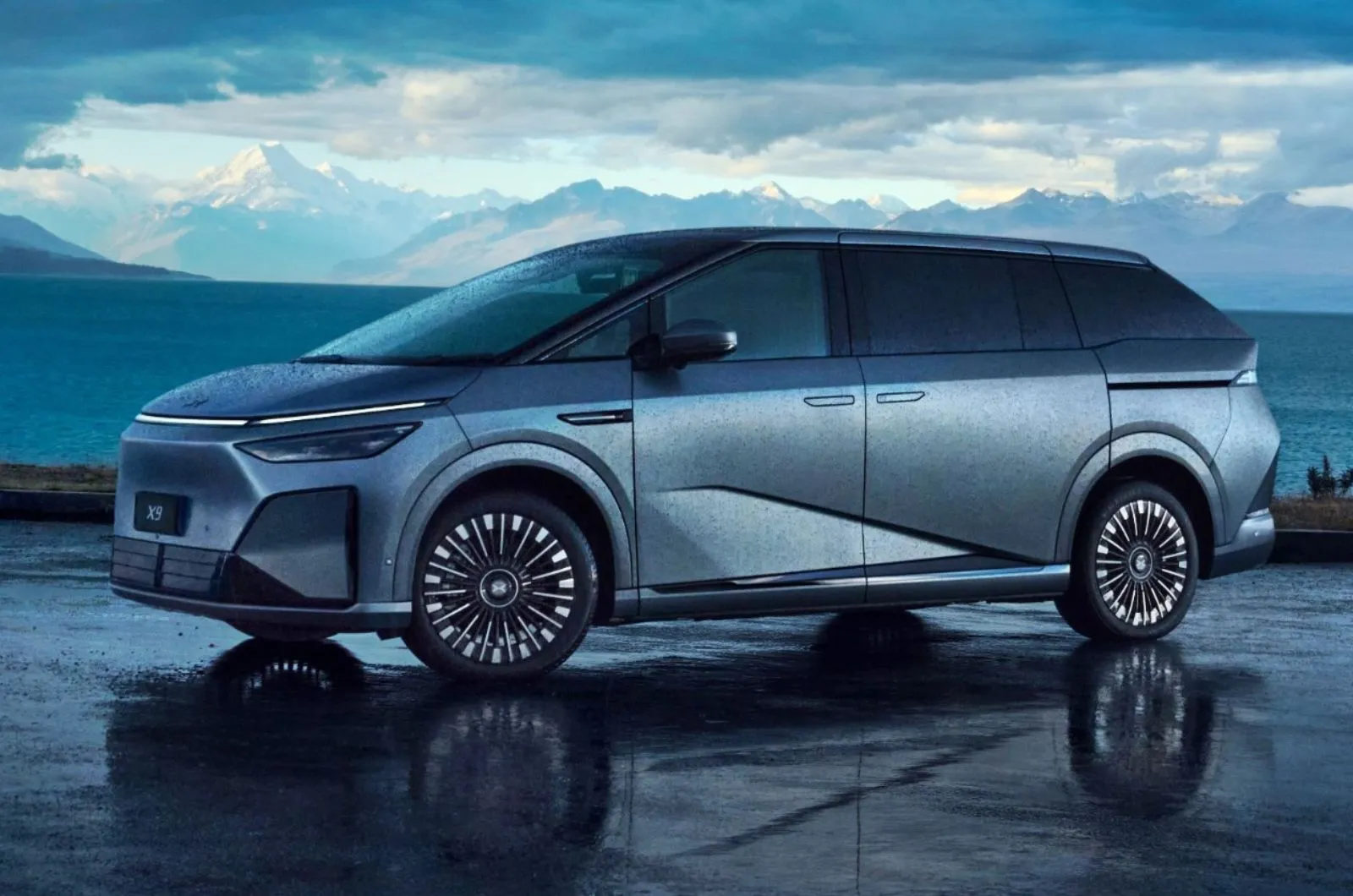
Attempting to disrupt the VLE’s big party will be the X9 MPV from Chinese carmaker XPeng, which already sells its G6 SUV (which is the fastest-charging EV on sale) in the UK. The seven-seat, all-electric X9 is already on sale in China, where it can be had with both single and dual-motor options – with the latter punching out as much as 496bhp. That’s just short of the Kia EV9 GT (502bhp), but blitzes the VW ID Buzz GTX (335bhp).
Customers will likely choose between an 84.5kWh or 101.5kWh (usable) battery. The larger pack can squeeze up to 436 miles of range on the Chinese CLTC test cycle, but with the stricter regulations in Europe, expect closer to the EV9’s 349 miles of range. XPeng says the X9 can also recover 205 miles of charge in just 10 minutes, provided you can find a quick enough station.
Read more: XPeng X9
Zeekr 7GT
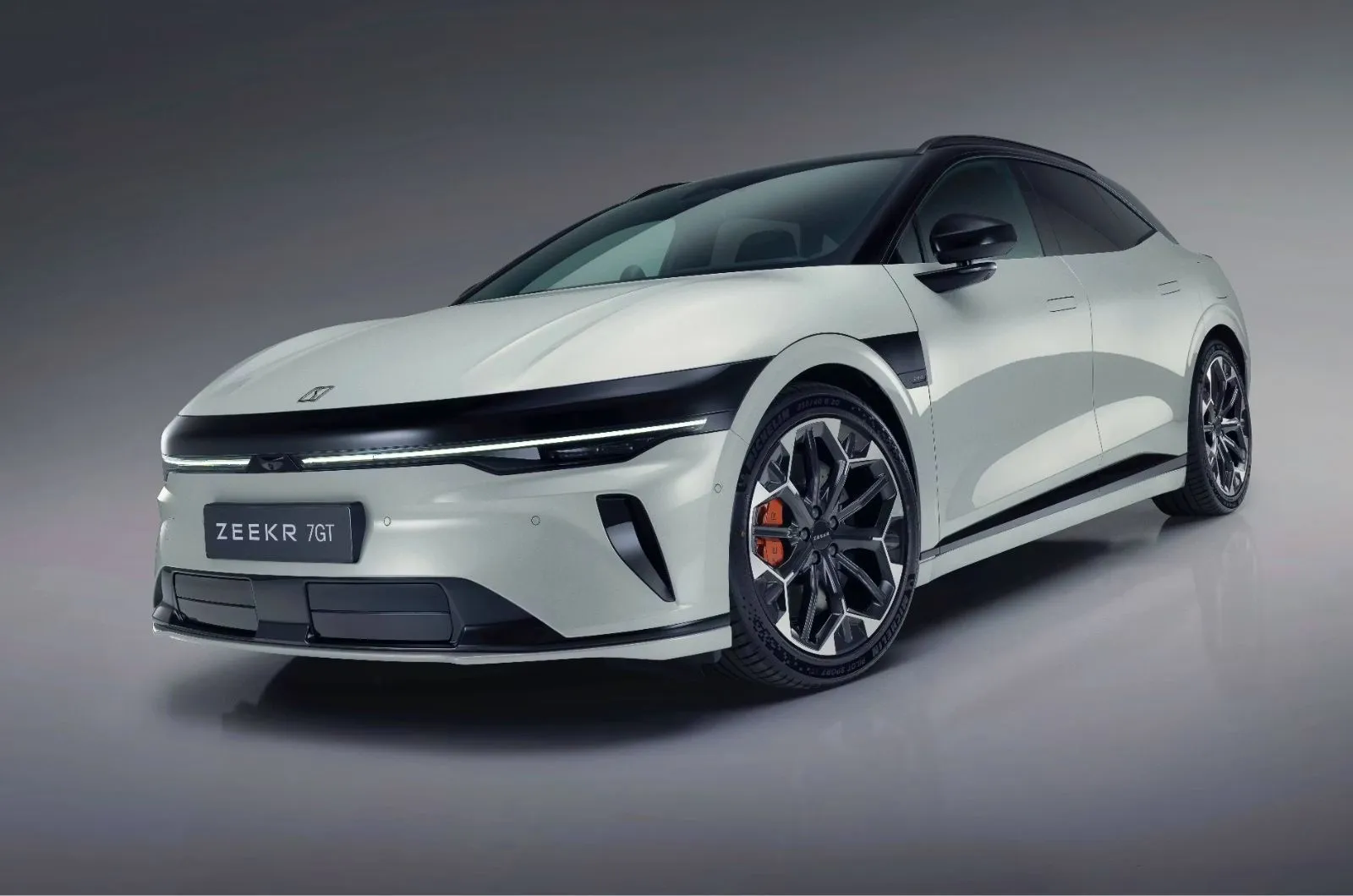
This sleek, spacious and massively powerful estate car is the 7GT. Beneath that sharp exterior sits a properly functional interior, with a 13in digital cluster, a 35in head-up display ahead of the driver, plus a 16in central infotainment touchscreen. Its 456-litre boot isn’t quite as practical as some European competitors, like the VW ID 7 Tourer, but the 413-mile range will prove competitive.
advertisement
scroll for more
The trim levels will mirror the 7X SUV, and in the top-spec Privilege, the 7GT also gets four-wheel drive to support the mammoth 637bhp. 0-62mph will be covered in just 3.3sec in that version – a figure which shames an awful number of the best sports cars.
Read more: Zeekr 7GT
Zeekr 7X
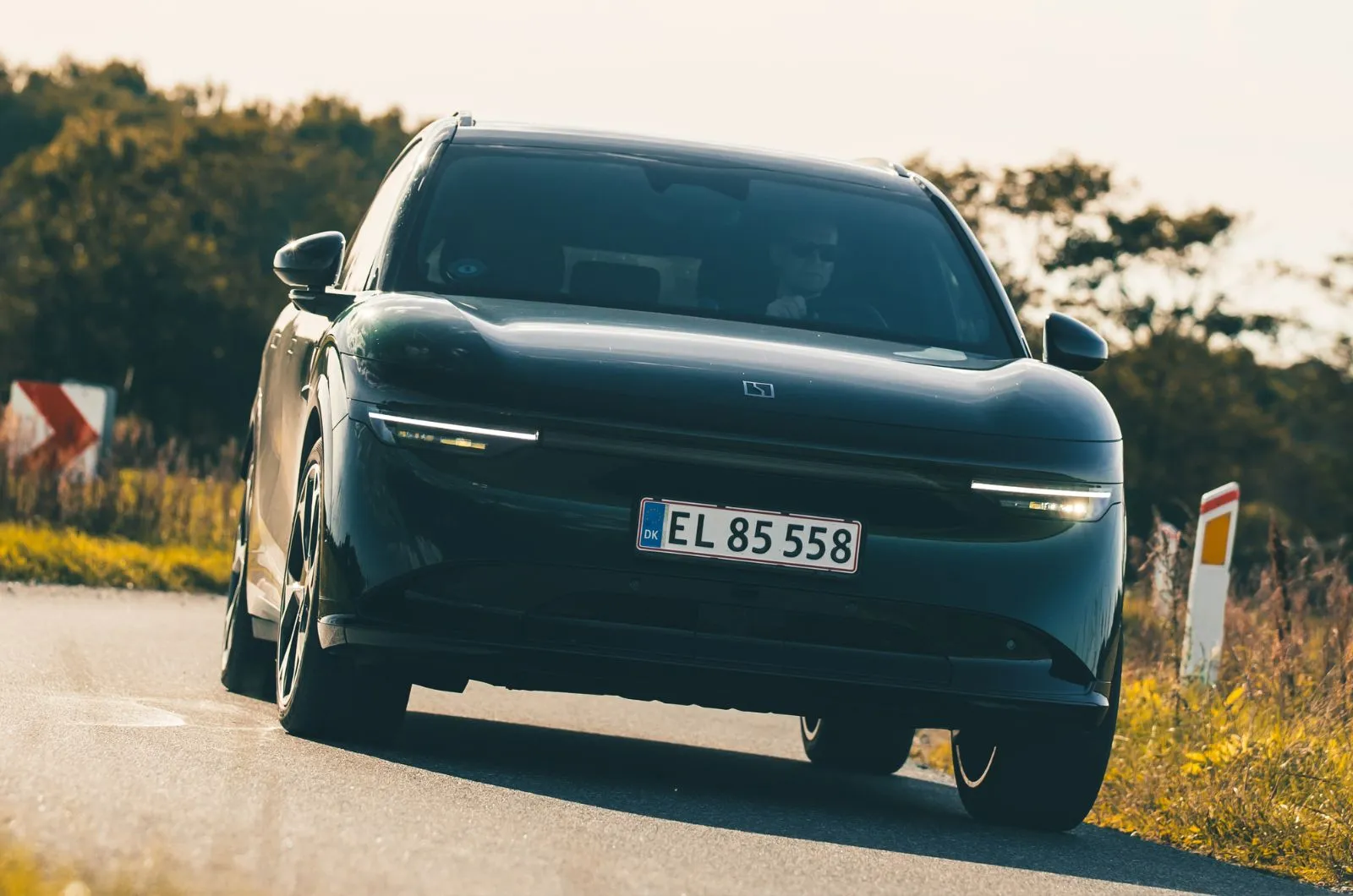
Despite only being founded in 2021, Geely-owned Zeekr already has a comprehensive range of models in its native China and is launching in various European countries, including Germany, Norway and Slovenia. Britain is next on the list, and one of two cars that will form part of the debut party will be the 7X: an electric SUV that packs some serious gear to take the fight to the Tesla Model Y.
The 7X sits on the same SEA platform that underpins the Polestar 4 and Smart #5, with 800-volt architecture allowing it to accept a maximum charging speed of up to 360kW. We don’t know which trim levels we’ll be getting, but as for what already exists, the entry-level Core has a 71kWh battery with a WLTP range of 298 miles. One up is the 421bhp Long Range, which delivers 382 miles of going, while the top-spec dual-motor Privilege model has 637bhp – that’s more than a Maserati MC20 supercar.
advertisement
scroll for more
Early 2027
Audi A2 e-tron
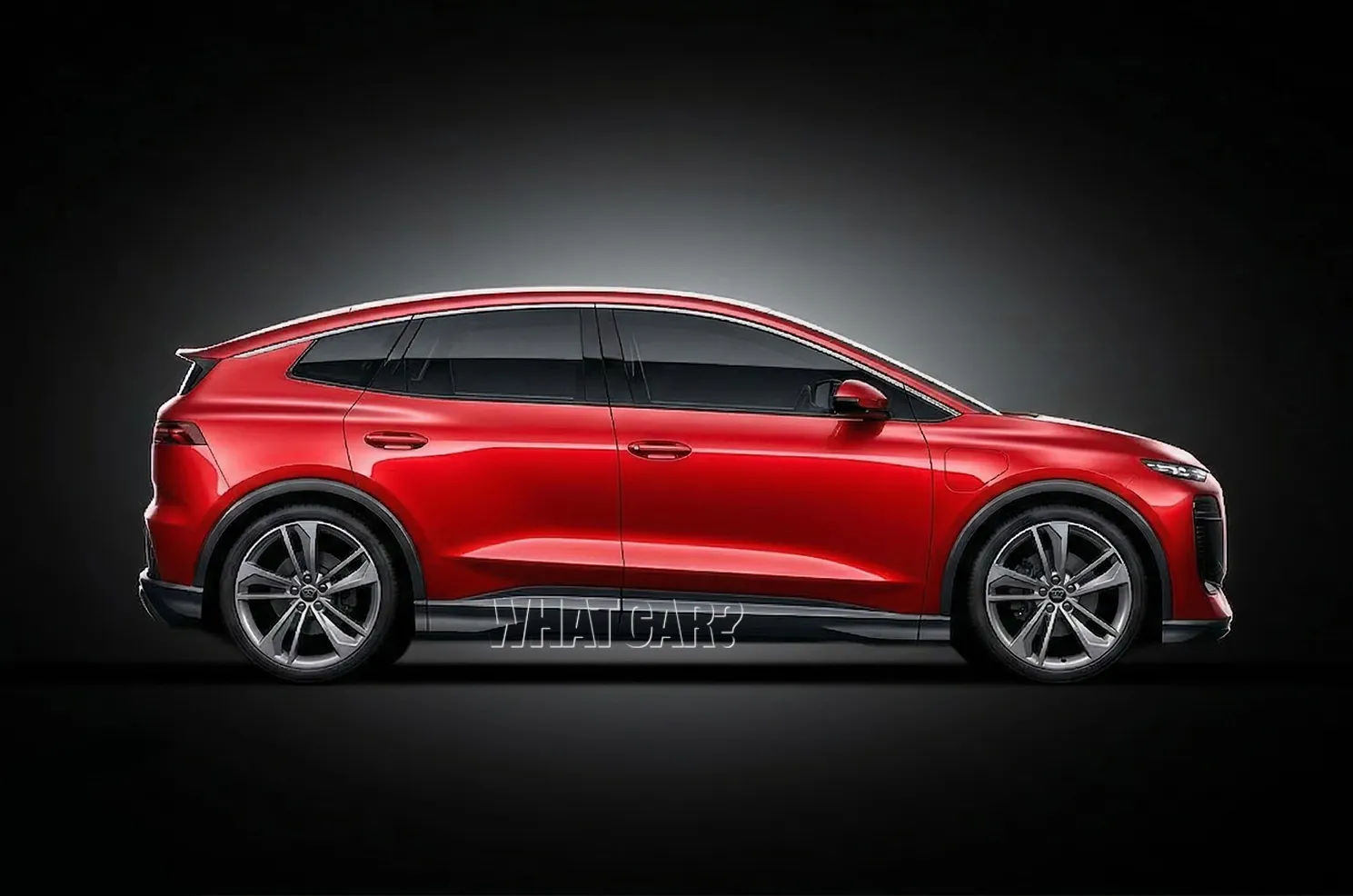
The original Audi A2 was a dinky hatch that was far ahead of its time: it was well refined, nimble to drive and spacious enough for four. These are all qualities that the new A2 e-tron will need to try and recapture, and recreate to an even higher standard, when it launches early next year.
It will become the new entry-point to Audi’s electric lineup, and use the same MEB+ underpinnings as the VW ID 3, likely gaining any upgrades brought to that car when it transitions into the VW ID 3 Neo. Much like the original, Audi has confirmed that the new A2 will feature aluminium body panels and an aerodynamic shape to boost its efficiency, meaning its range will likely beat the ID3’s 352-mile official figure. And while Audi is yet to share official pricing for the A2, it’s speculated that the range will begin at less than £30,000.
Read more: Audi A2 e-tron
Bentley Torcal
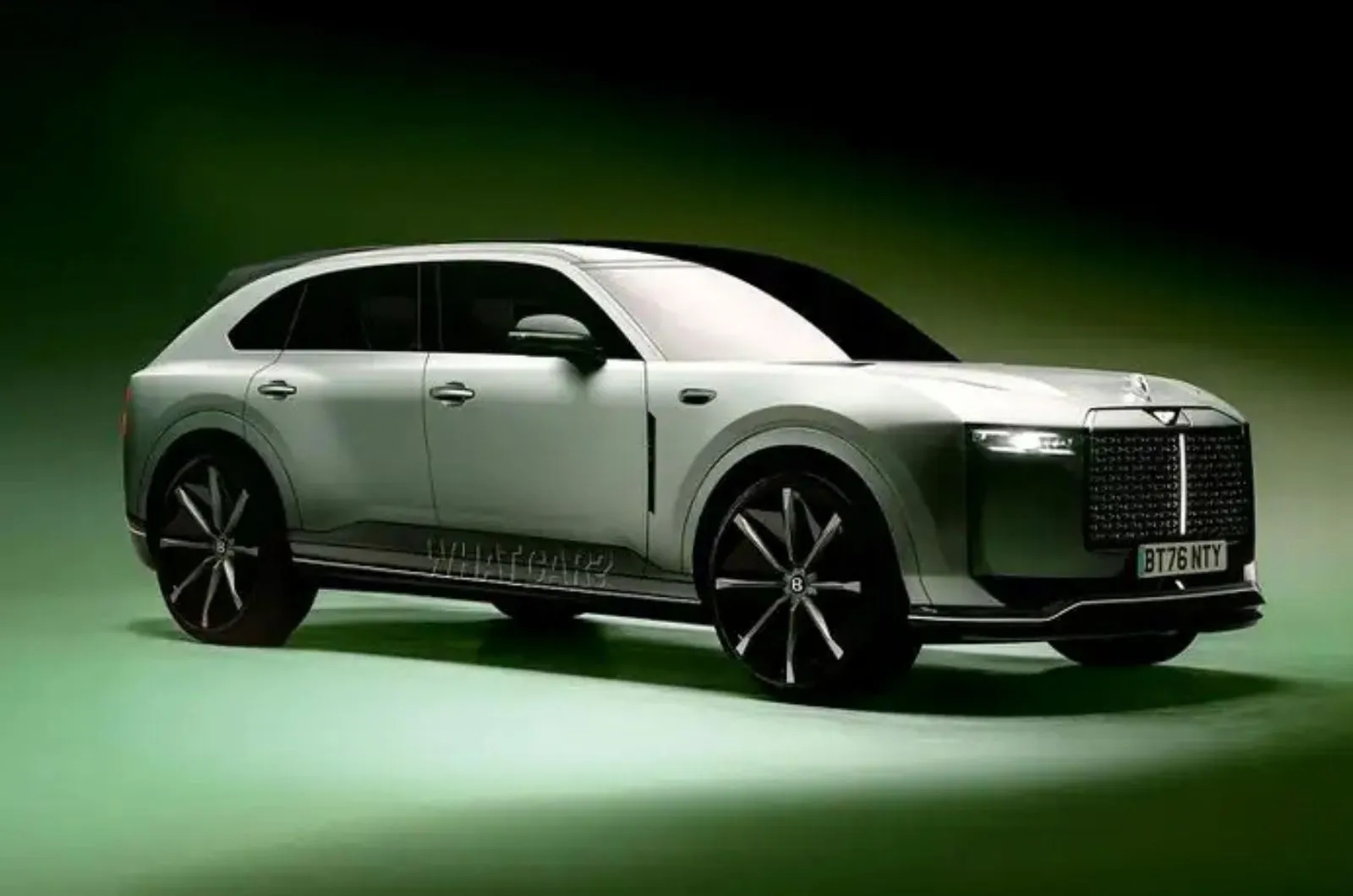
Bentley dropped the initial details for its first-ever electric car late last year, with the Torcal sitting just below the Bentayga. So far, we know it’ll be underpinned by the same PPE underpinnings developed by Audi and Porsche, so reckon it’ll be closely linked to the Porsche Cayenne Electric: an up-to 1000bhp, four-wheel drive luxury SUV which combines supercar pace with everyday usability.
advertisement
scroll for more
That car also gets 800-volt architecture and up to 400 miles of range, though the Torcal’s boxier body could retract some of that performance. On the matter of styling, the Urban will closely resemble Bentley’s EXP 15 vision concept, featuring an upright roofline to maximise rear head room. The Torcal’s interior could include a portrait-oriented touchscreen, integrated driver’s display and physical buttons, such as a selector dial on the centre console.
Read more: Bentley Torcal
Fiat Giga Panda
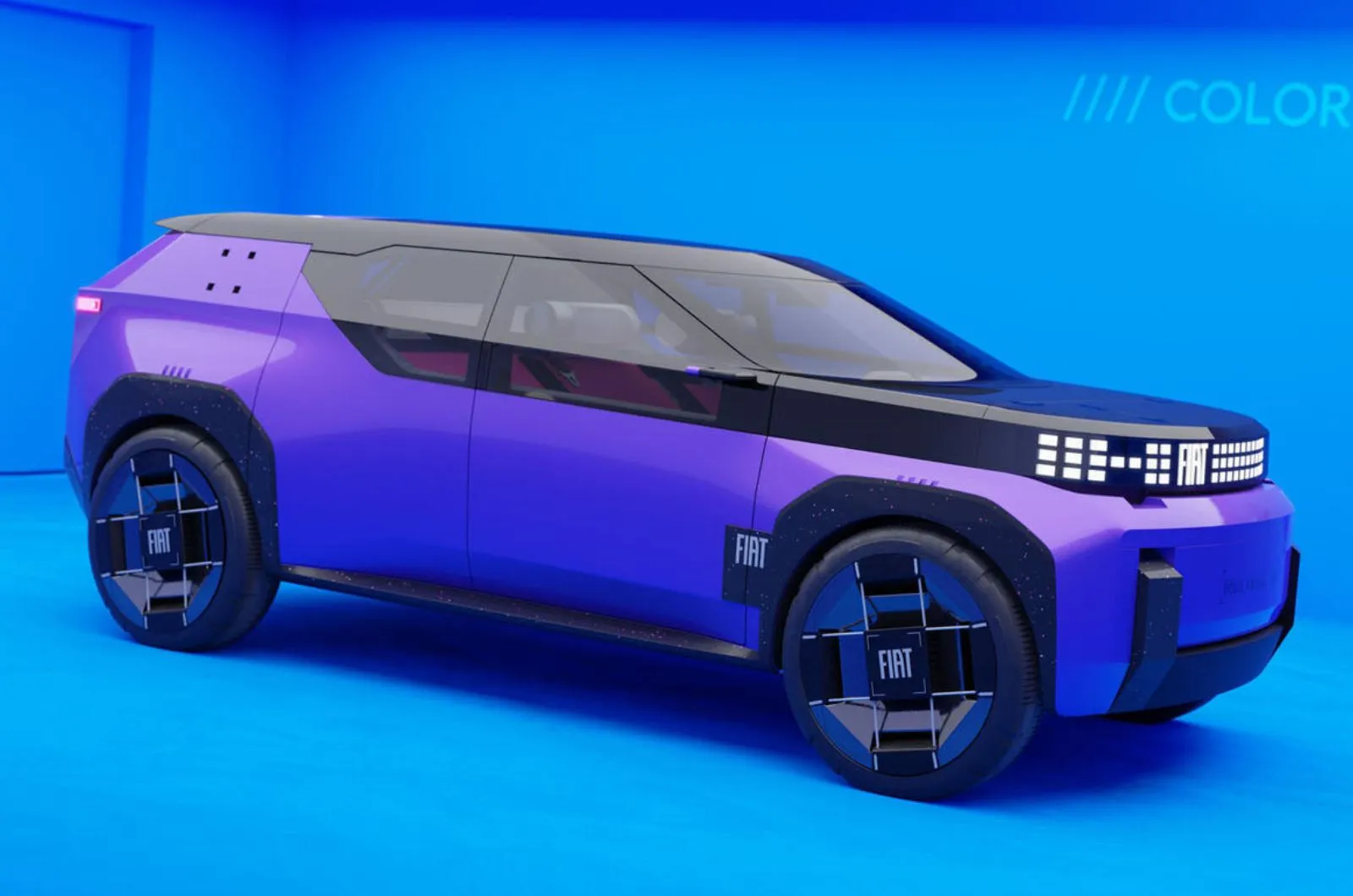
Fiat has teased a ‘Giga’ (or giant) Panda for some time now, and it looks like the covers will finally come off at the 2026 Paris Motor Show. Sitting on a stretched version of the Fiat Grande Panda’s underpinnings, the Giga Panda is rumoured to be around half-a-metre longer. Customers will get to choose between five- and seven-seat configurations, plus hybrid or full-electric variants.
Key targets will be keenly-priced but versatile big cars, such as the Dacia Bigster and Skoda Kodiaq. We don’t expect some of the more audacious styling cues from the render image – such as the completely pixelated front lightbar or squared-off side profile – to make the final cut. Still, we won’t have to wait long to find out.
advertisement
scroll for more
Freelander 8
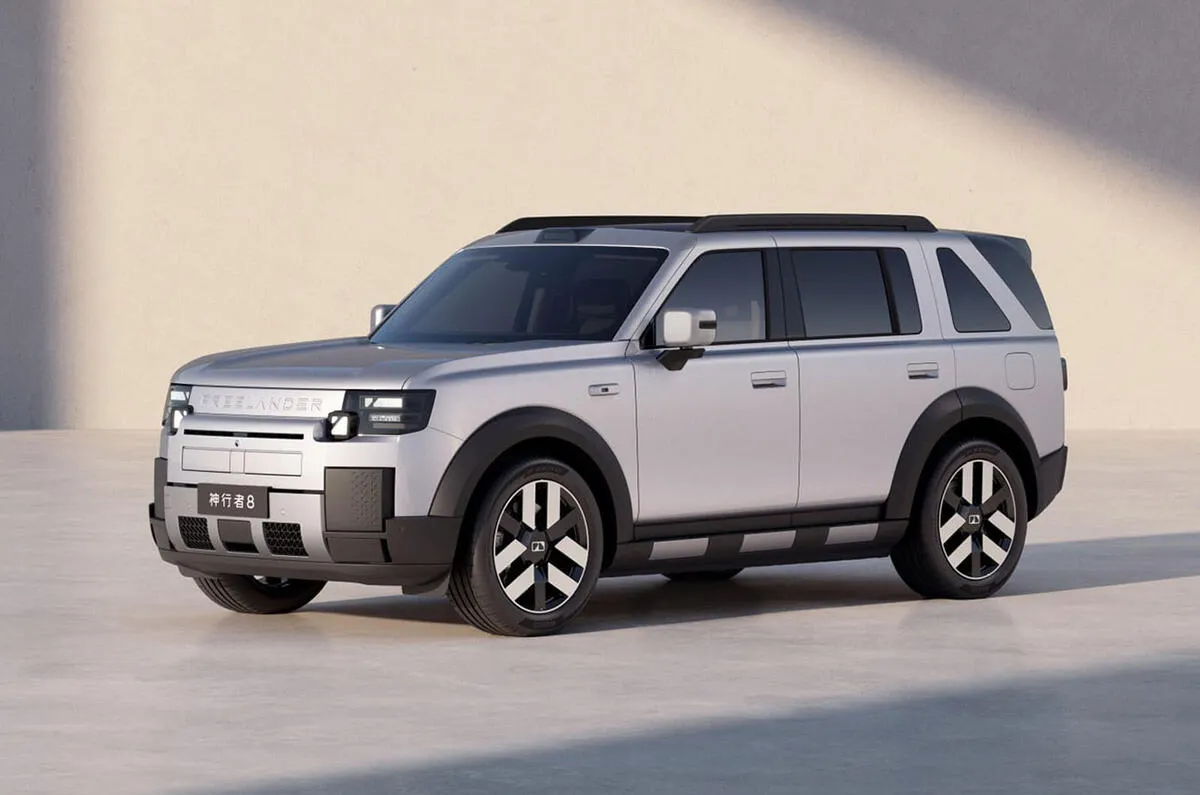
The result of a partnership between Chery and Jaguar Land Rover (JLR), the Freelander 8 is a boxy large SUV to rival the Audi Q7 and Volvo XC90. Much like the ‘97 Concept’ show car, the Freelander 8’s styling takes a lot of its inspiration from the original Land Rover Freelander, including its triangular rear side windows.
Based on 800-volt architecture, the Freelander 8 will be available as an electric car, plug-in hybrid (PHEV) or a range-extended hybrid. In PHEV guise, it’s likely that the Freelander 8 will use Chery’s Super Hybrid System (SHS), which primarily uses a 1.5-litre petrol engine as a generator for two electric motors, allowing for an impressive official EV range of 91 miles in the Chery Tiggo 9. It’s anticipated that the Freelander 8 will feature a limited-slip differential, helping to increase its off-roading capabilities, and an all-terrain function that uses cameras to detect what type of surface the car is traversing.
advertisement
scroll for more
Read more: Freelander 8
Genesis Magma GT
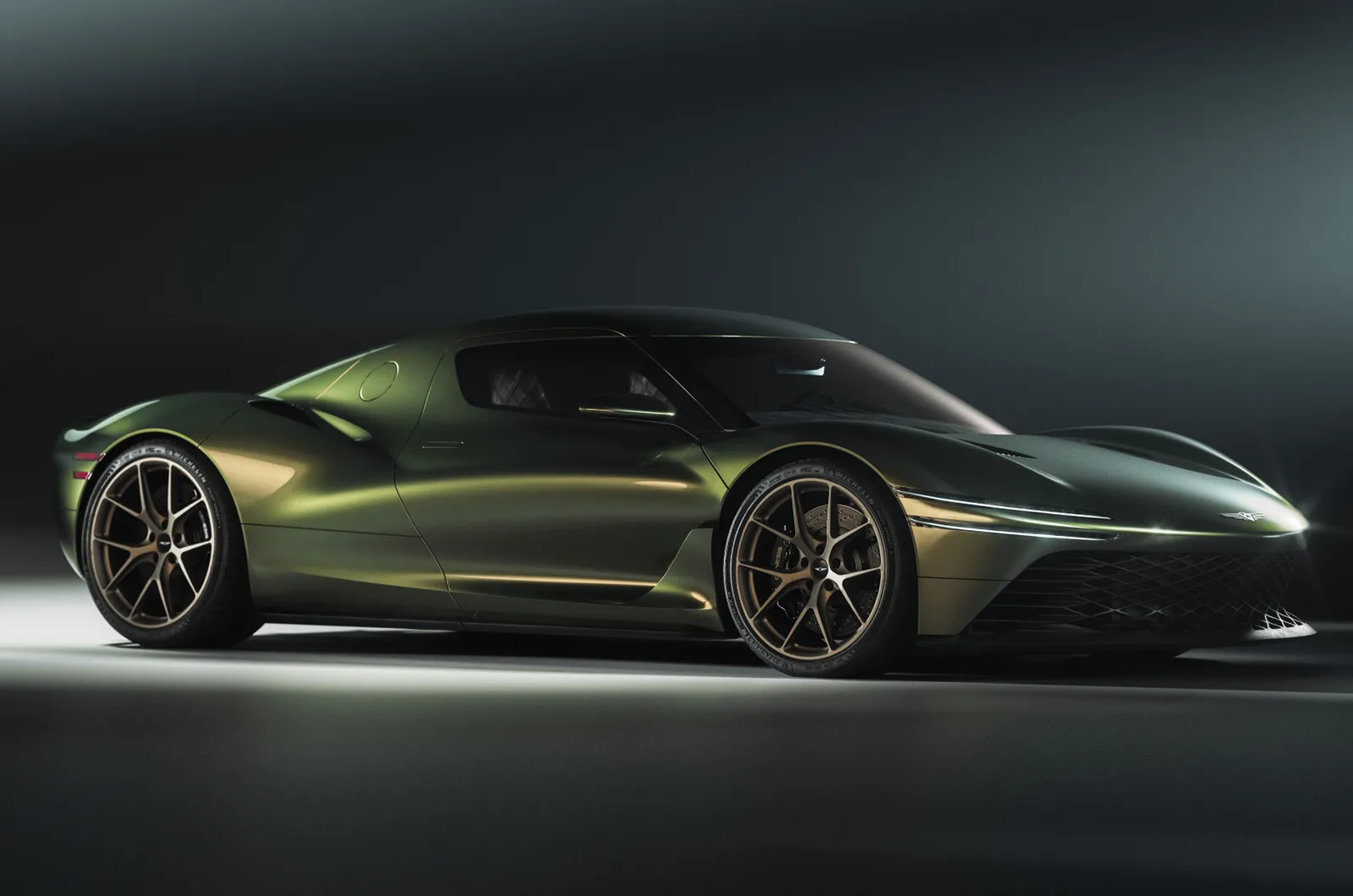
Revealed in 2025 as a concept car, the Genesis Magma GT will be the brand’s first sports car. Featuring a mid-mounted twin-turbocharged V8 engine, Genesis claims the Magma GT will have as much as 800bhp at its disposal; exceeding that of the Porsche 911 Turbo S. Several versions of the Magma GT will be produced, including a Group GT3 version, fittingly named the Magma GT3. This variant gains even more aggressive styling, extra carbon fibre trim for improved aerodynamics and downforce, and spotlights.
Jaguar Type 01
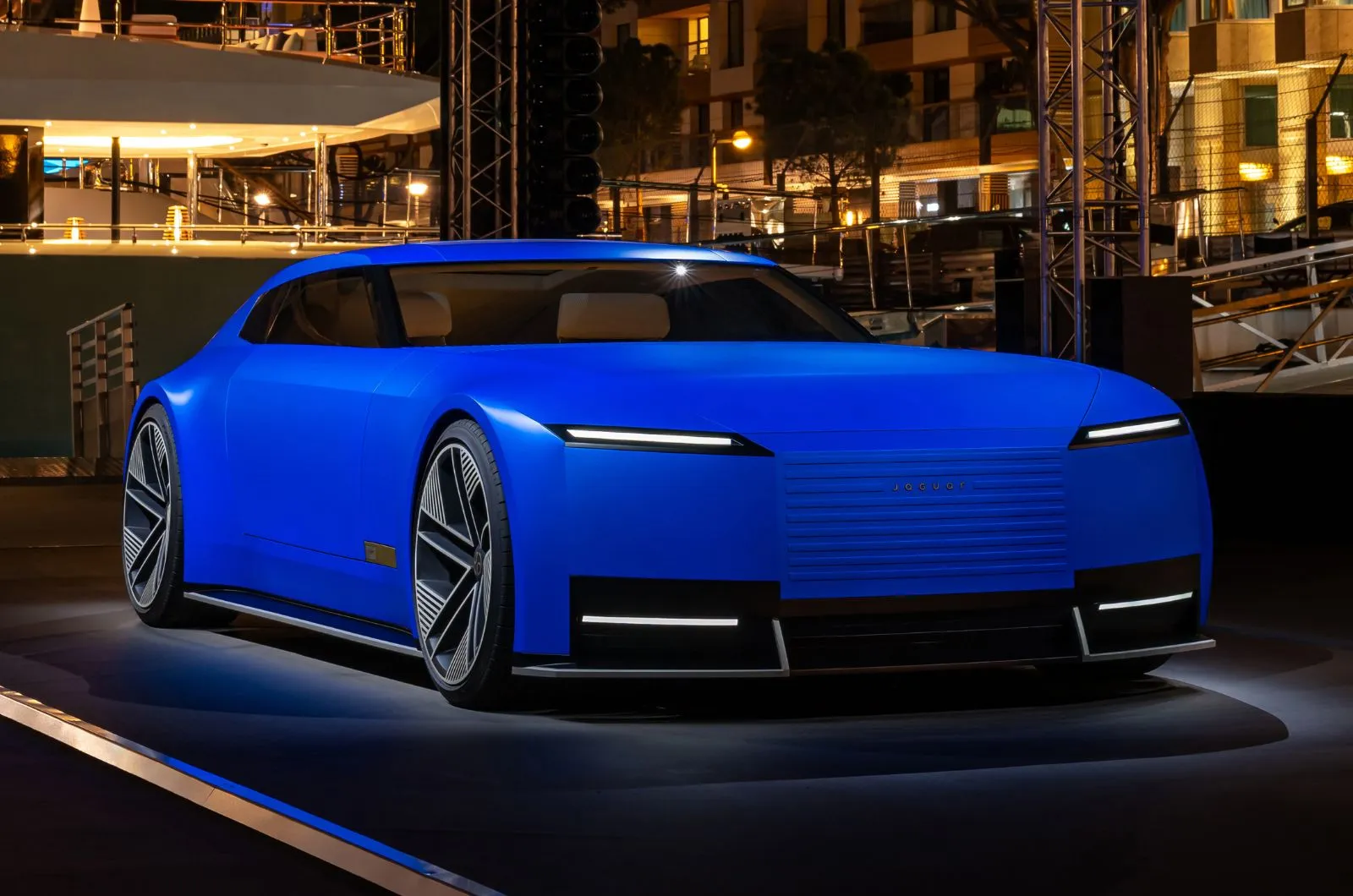
The production version of one of the most controversial concept cars in recent years, the Jaguar Type 01 is a low-slung electric luxury car that the company hopes will take the brand further upmarket. A rival to the Porsche Taycan, the Type 01’s dual electric motor setup produces around 1000bhp, allowing it to reach 62mph in about three seconds. Like a growing number of electric performance cars, the Type 01 will feature augmented noises to replicate a petrol engine while using noise cancelling to filter out any unwanted sounds. Featuring a 120kWh (total capacity) battery, expect the Type 01 to be capable of covering more than 400 miles between charges. As a result, it should be competitive against the most efficient Taycans. We've driven the prototype, which you can read below.
advertisement
scroll for more
Read more: Jaguar Type 01 review
Land Rover Defender Sport
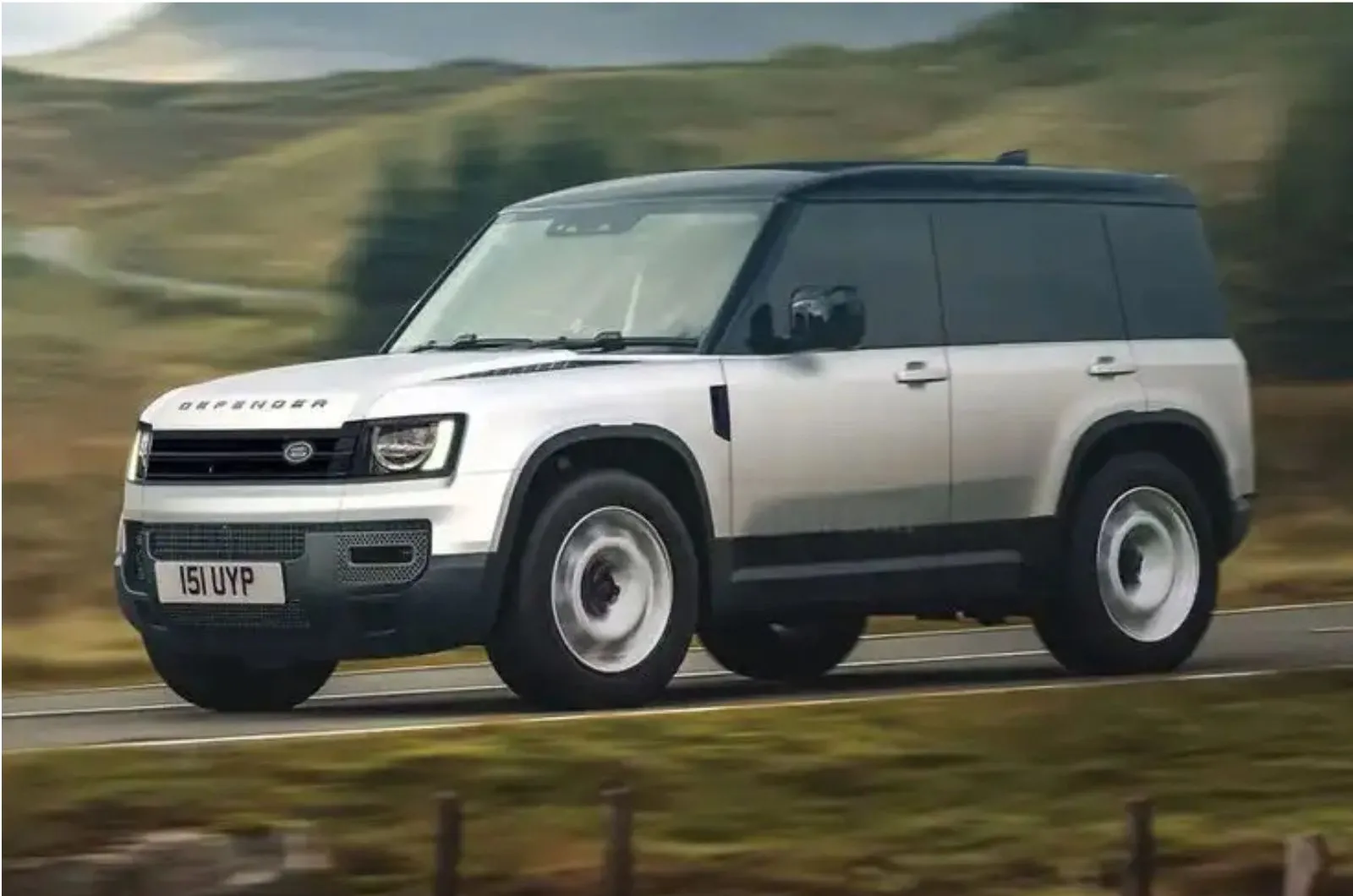
The new-age Land Rover Defender has been a big hit, not just in Britain, but globally. In an effort to maximise this demand, Land Rover is prepping a downsized ‘Sport’ version which offers the same brawny looks and stellar off-road credentials, but with a more affordable price tag. The Sport will also trial the underpinnings that’ll go into the next-generation Range Rover Evoque and Range Rover Velar, so expect an electrified version to be in the offering, too.
Land Rover has remained tight-lipped on numbers and details, but the electric version is rumoured to have at least two motors and four-wheel drive, and a range of around 250 miles between charges. And, as is the case with the full-sized Defender, the Sport will likely be highly customisable, with add-ons such as roof racks and deployable side steps to raised air intakes (which help when wading through water).
Read more: Land Rover Defender Sport
advertisement
scroll for more
Range Rover Velar Electric
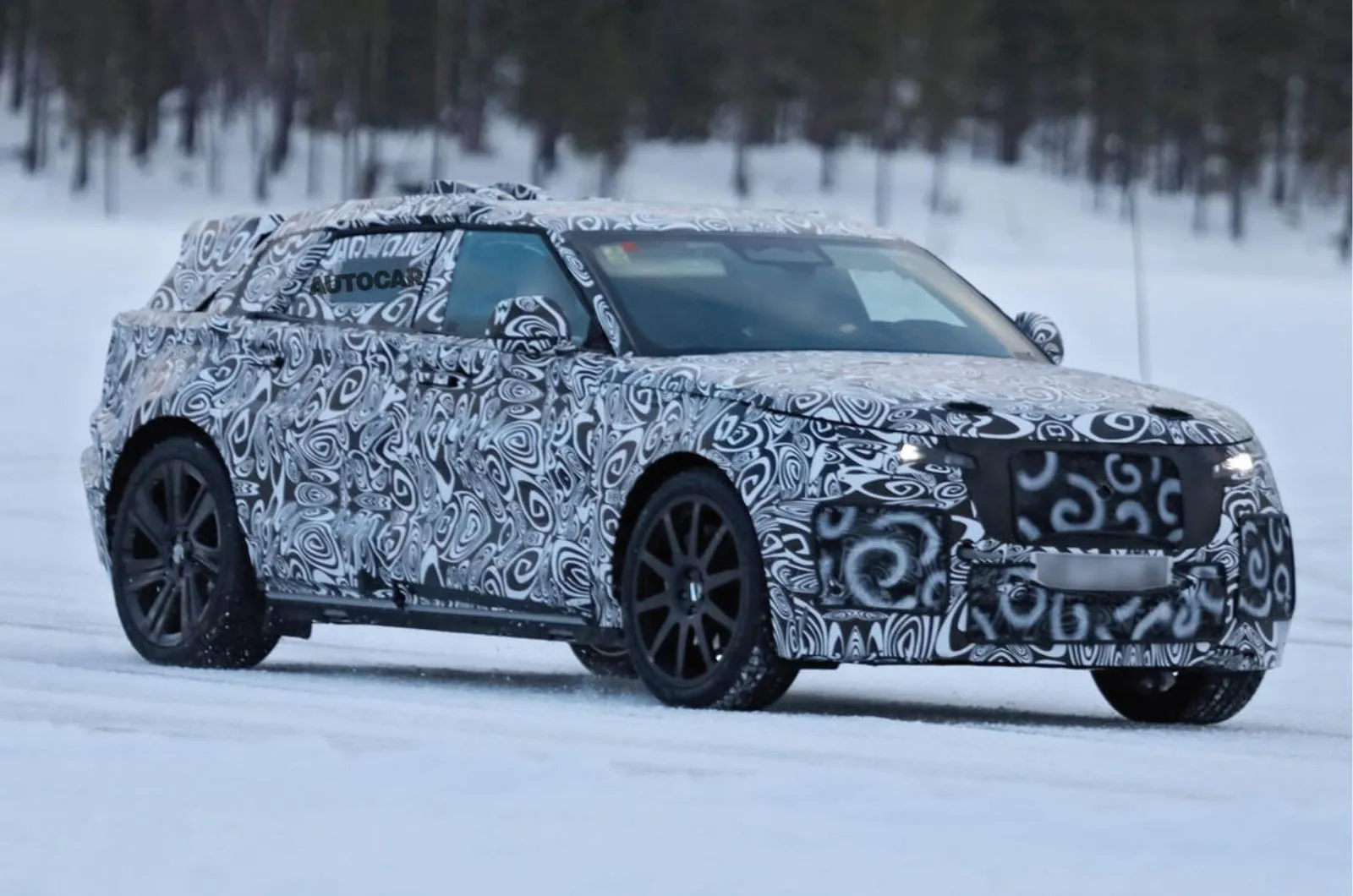
Set to arrive just months after the all-electric versions of the Range Rover and Range Rover Sport, the Velar EV is expected to gain a much more rakish appearance compared to the current model, with a lower ride height and a more saloon-like profile. Competing with the BMW iX3 and Mercedes GLC Electric, the Velar EV will use new underpinnings designed specifically for electric models. JLR is yet to share any technical details on the electric Velar, but it will need to officially manage more than 400 miles to compete with its closest rivals. To help achieve this, JLR might fit the same 118kWh (usable capacity) battery from the upcoming full-sized Range Rover EV.
Read more: Range Rover Velar Electric
Skoda Peaq
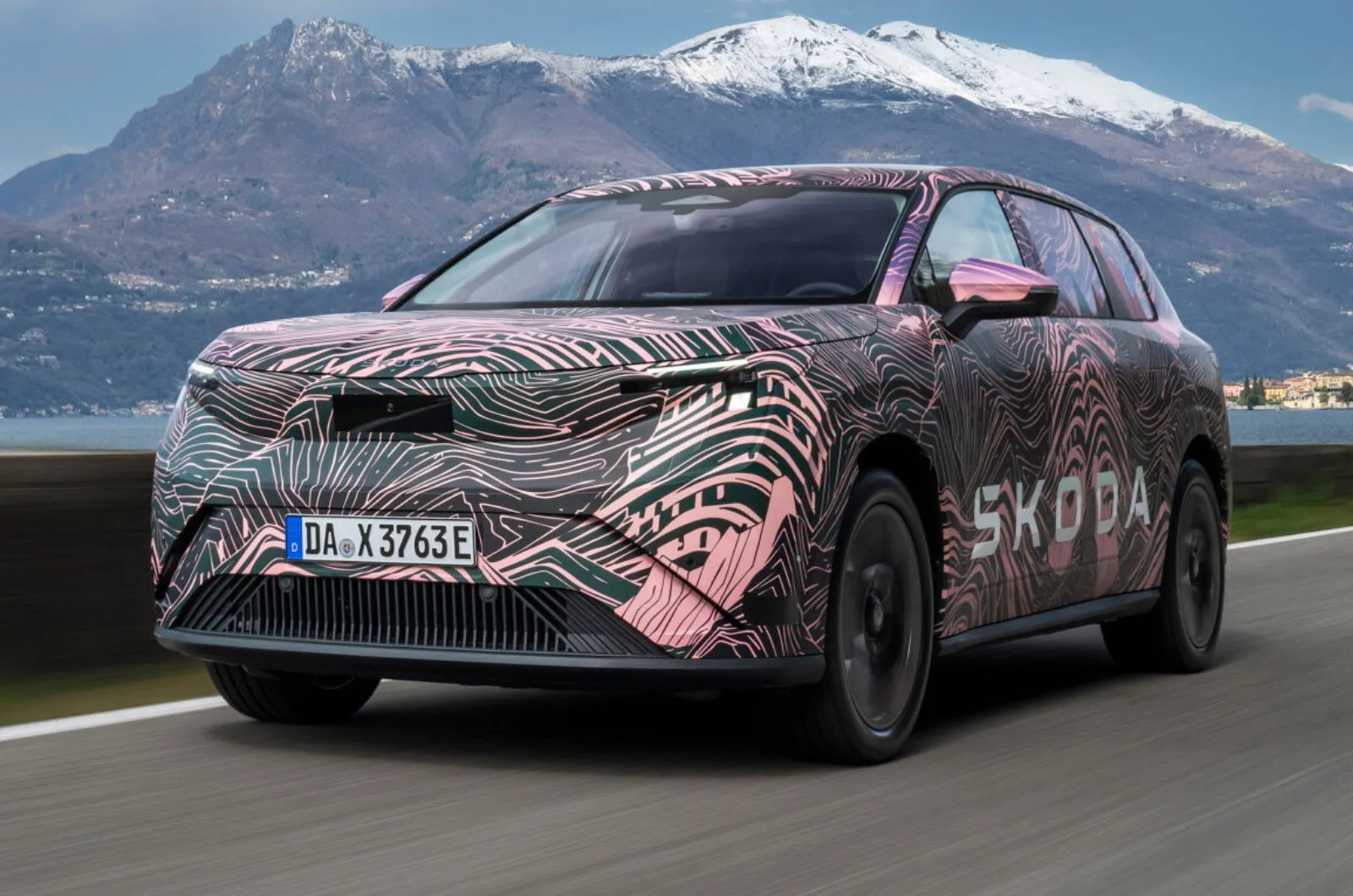
As the name suggests, this seven-seat electric SUV sits at the very top of the Skoda range. We’ve already had a go in the prototype, and the first impressions were good. The Peaq balances comfort and handling abilities well – particularly with the optional adaptive suspension fitted – while the swanky, spacious interior is befitting of a flagship car.
advertisement
scroll for more
Despite its behemoth size, the range-topping 90x version (with 295bhp) still hustles a 0-62mph time in just 6.7sec. That same car will officially cover a model-high 390 miles of range too, which falls short of the Hyundai Ioniq 9 RWD (385 miles) and the Peugeot e-5008 Electric 230 (413 miles), but does better the Mercedes EQB 250+ (321 miles) and the VW ID Buzz LWB (291 miles).
Read more: Skoda Peaq review
Smart #2
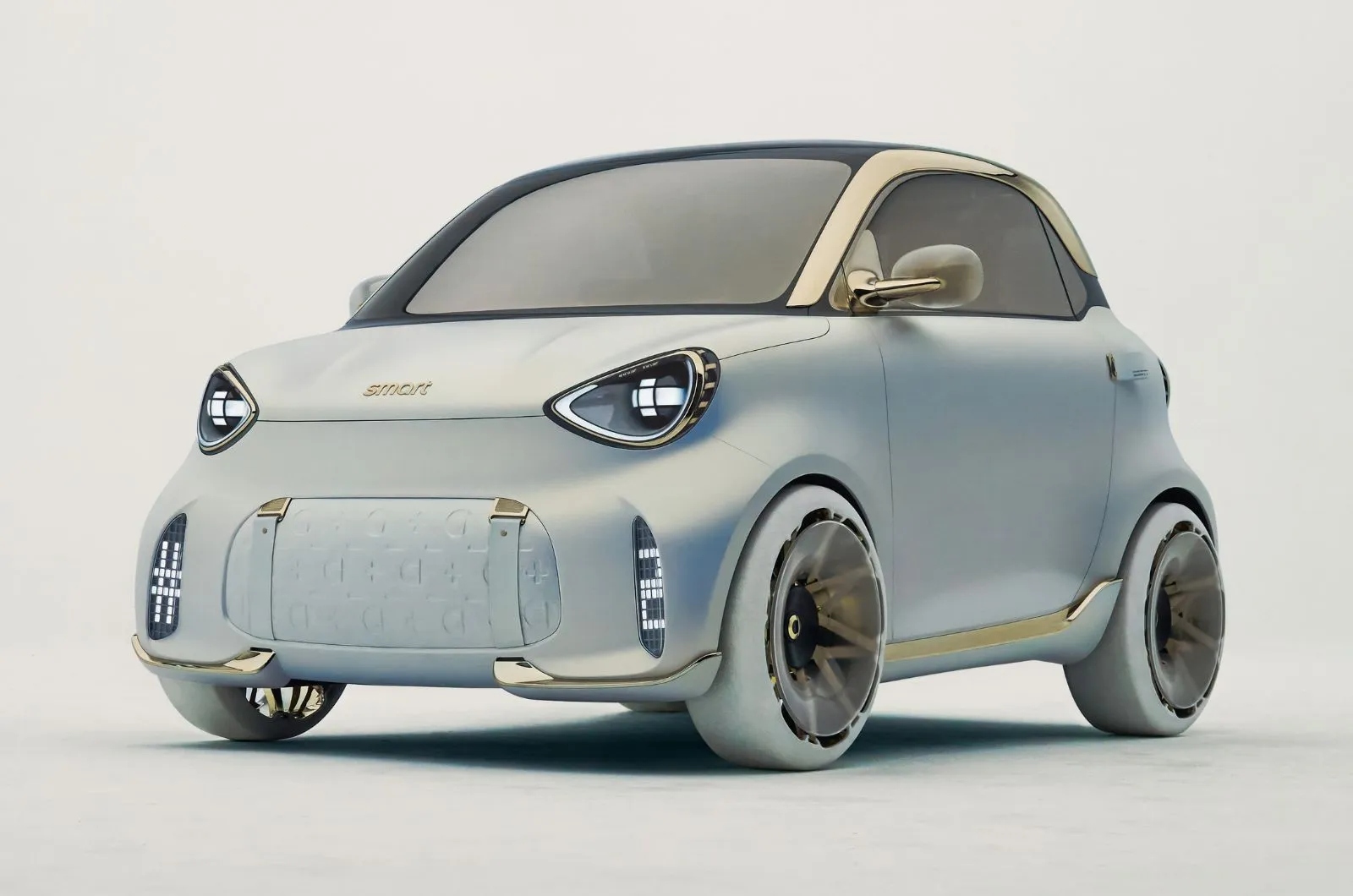
In the spirit of retro revivals, including the Nissan Micra and Renault 4, Smart is going back to its roots with a new two-door city car, likely to be called the #2. Based on new underpinnings that were developed by the Chinese automotive giant Geely, Smart has confirmed the #2 will have an official range of 186 miles, which is more than the Dacia Spring and Leapmotor T03 can manage. It’ll also be capable of charging from 10-80% in less than 20 minutes. Much like the original, the #2 will very likely be the shortest car on sale, helping to keep it manoeuvrable on tight city streets.
advertisement
scroll for more
Read more: Smart #2
Toyota Land Cruiser EV
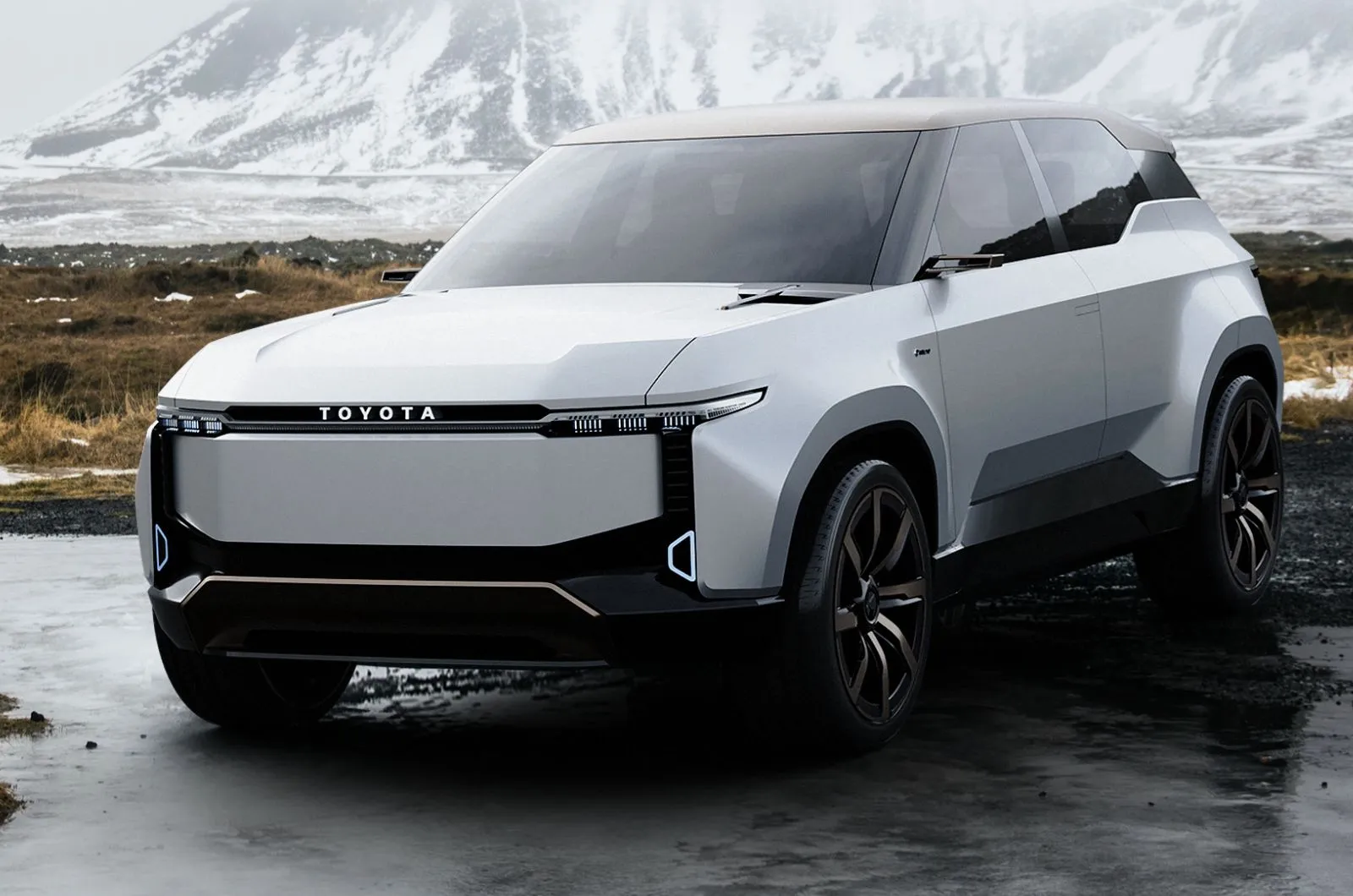
In addition to the latest version of the Land Cruiser, which is powered by a 2.8-litre diesel, Toyota is set to introduce a separate off-roader that’s electric powered. This rival to the upcoming Range Rover Electric and Mercedes G-Class Electric will be inspired by the Land Cruiser Se concept, which featured slightly less rugged styling and a monocoque chassis to provide better ride quality compared to its diesel stablemate.
Read more: Toyota Land Cruiser EV
Mid-late 2027
Audi RS6
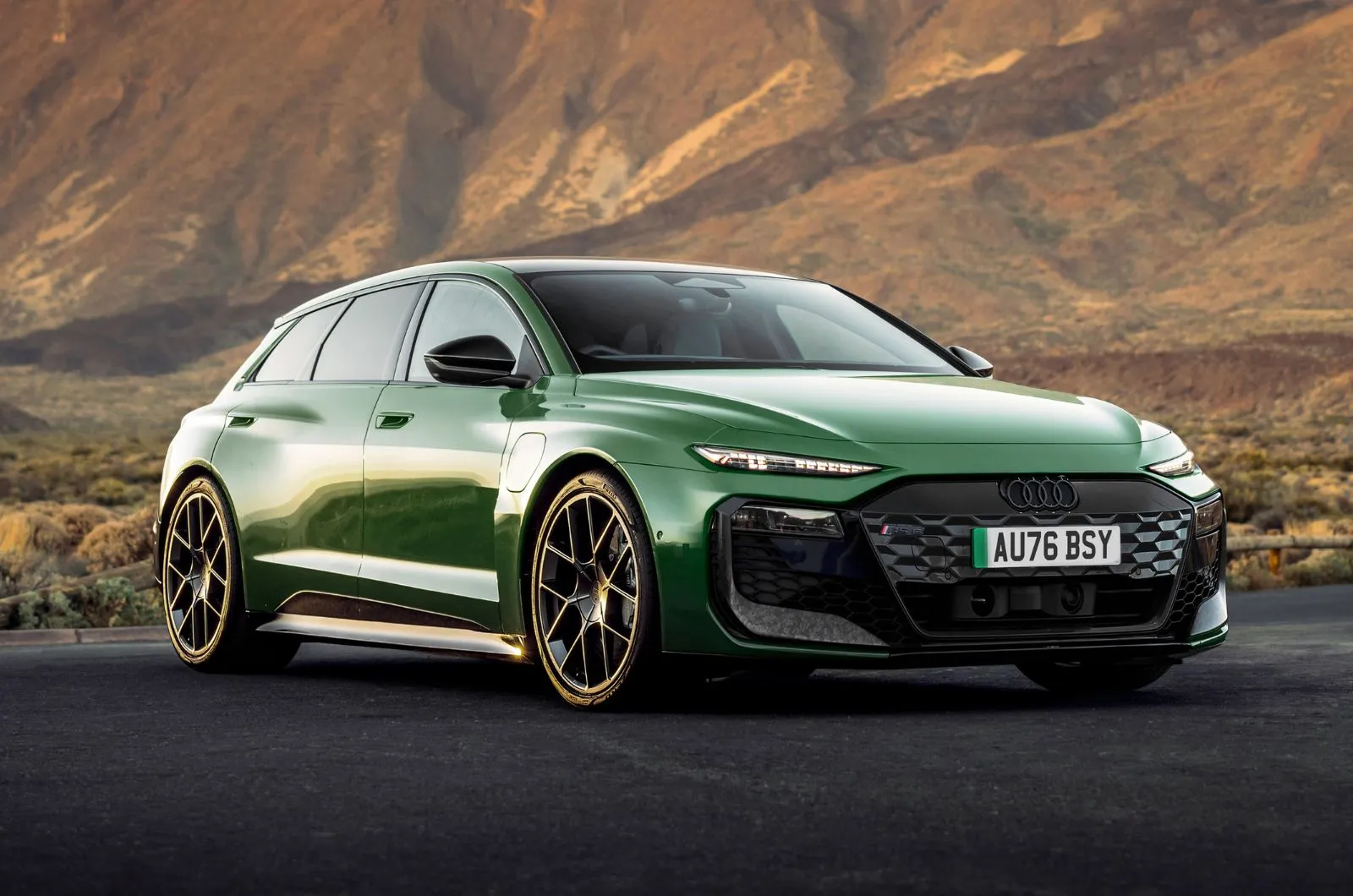
Over more than two decades and across four generations, the Audi RS6 has formed a reputation for being one of the world’s greatest all-rounders. The last iteration was quite possibly the greatest performance estate car ever created, featuring enough raw pace to shame a worrying amount of supercars yet plenty of luggage and passenger space for holidays to the Austrian Alps. So, no pressure on the next one then, right?
advertisement
scroll for more
Well, it’s already got off to a good start, since it will use an evolution of its predecessor’s V8, with the added efficiency of a plug-in hybrid system. As for numbers, the current figures are 730bhp (that’s a smidge more than a BMW M5 Touring), 0-62mph in 3.0sec flat and a top speed close to 200mph. You’ll also be able to have one as an electric car, which will use a tweaked version of the dual-motor setup found in the current S6 e-tron. What’s more, the EV will supposedly get a virtual paddle-shift ‘gearbox’, similar to the one seen in the Hyundai Ioniq 5 N.
BMW X5
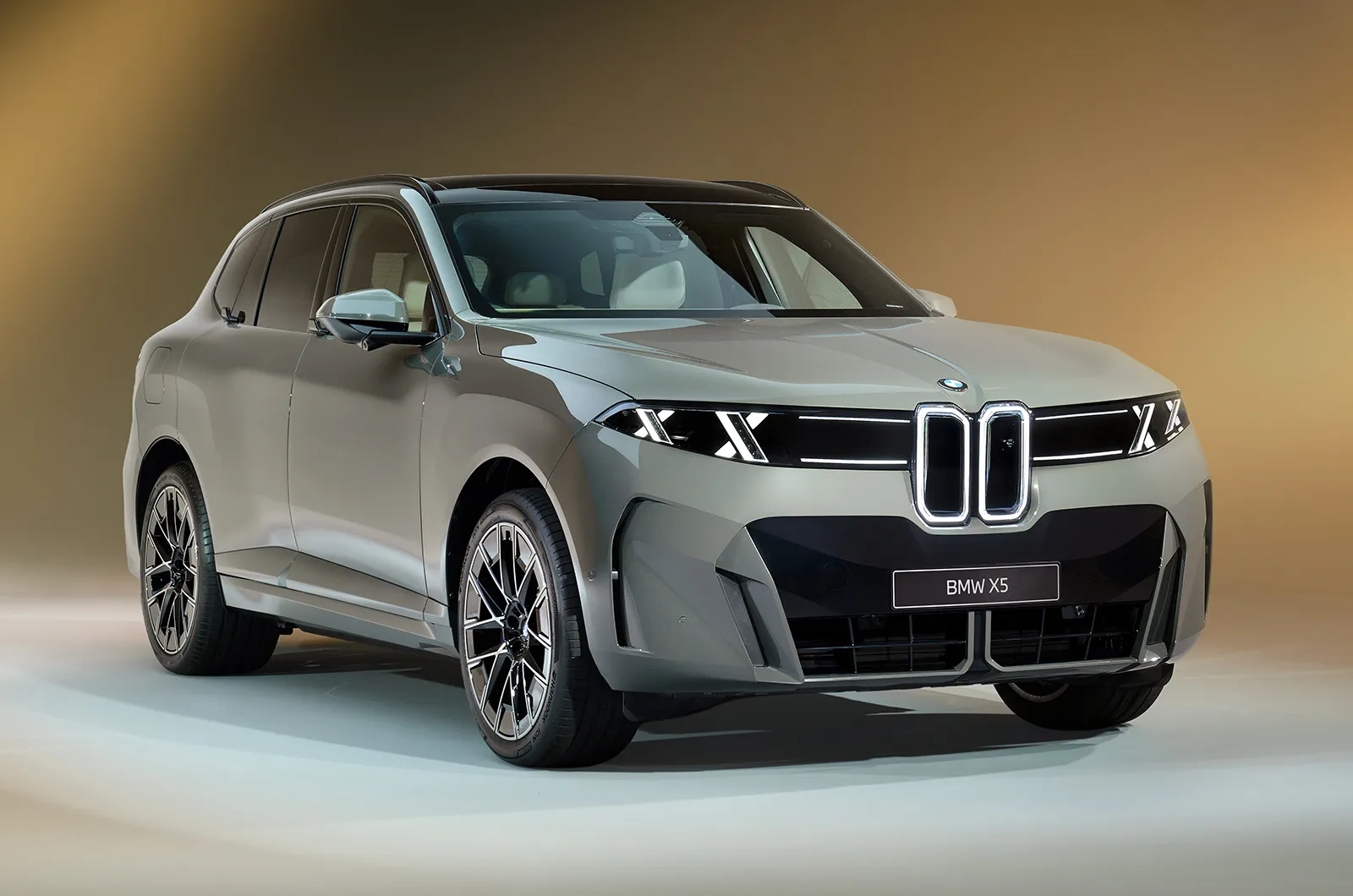
The fifth generation of BMW’s longest-running SUV certainly won’t be short on power options, with diesel, plug-in hybrid, electric and (later down the line) hydrogen versions being available. Featuring the same bold ‘Neue Klasse’ styling as our reigning What Car? Car of the Year, the BMW iX3, the new X5 won’t be short on technology. That includes the company’s latest Panoramic iDrive system which features a driver’s display that spans the width of the dashboard. However, unlike the current version, the next X5 won’t be offered as a seven-seater.
advertisement
scroll for more
From launch, every electric ‘iX5’ will feature a massive 141kWh (usable capacity) battery to achieve an official range of 525 miles. That’s significantly more than the Mercedes EQE SUV or Polestar 3 can manage.
Read more: BMW X5
Caterham Project V
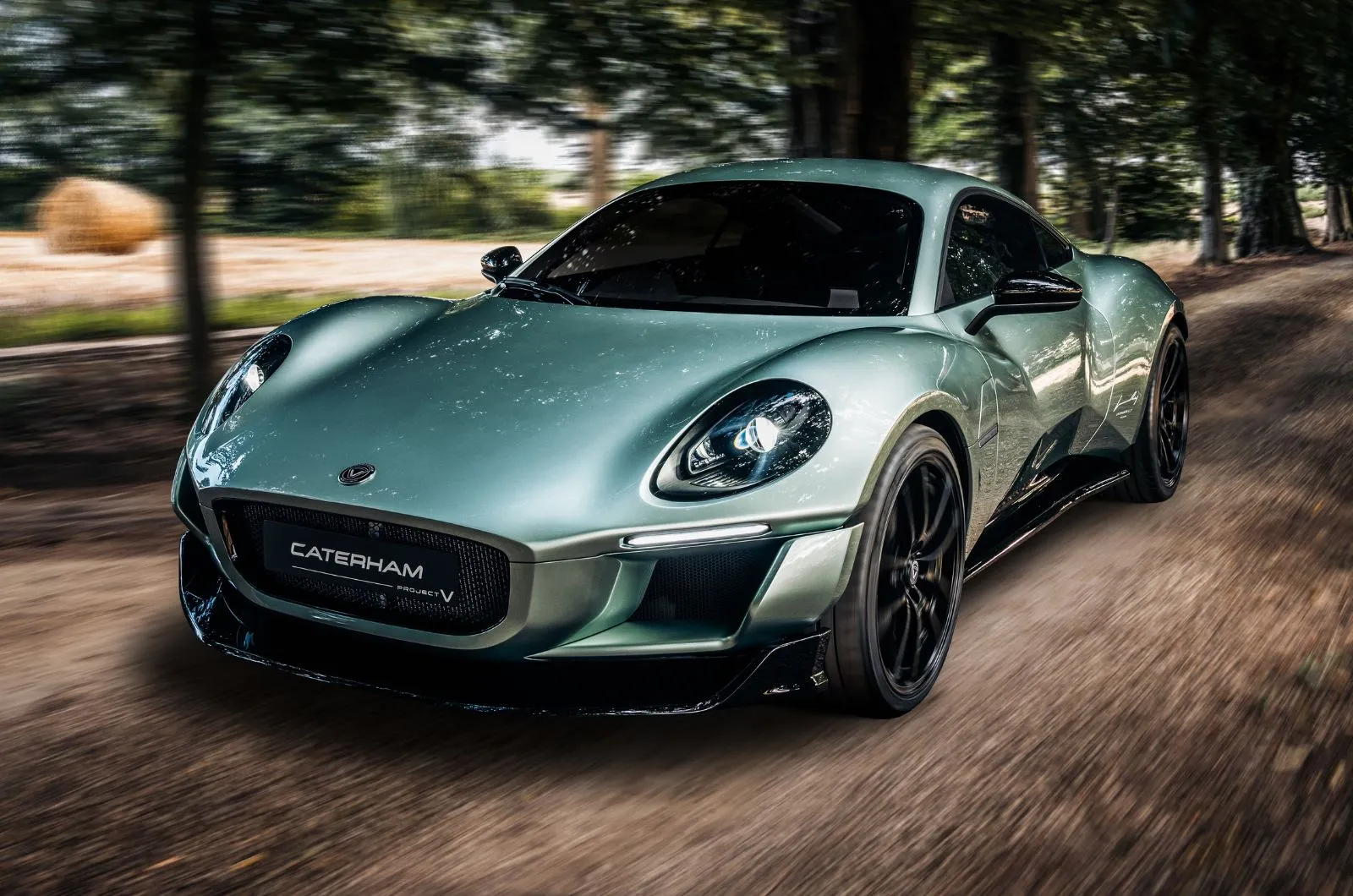
One word above all else is (probably) thrown around the Caterham offices: weight. You see, Caterham has forged a reputation for building lightweight, permanently open-top sports cars that can thrill equally on the road as they do on the track – just take the Caterham Seven for example. So how does such a niche brand continue that ethos with batteries and electric motors, which add substantial amounts of weight?
We’re soon to find out, because Caterham’s very first EV, the Project V, is inbound. The 2+2 coupe will use a Yamaha-sourced electric motor that develops 268bhp, which is enough oomph to sprint from 0-62mph in less than five seconds. As for competitors, expect the next-generation Alpine A110 and Porsche Cayman to apply the pressure.
advertisement
scroll for more
Nissan Juke Electric
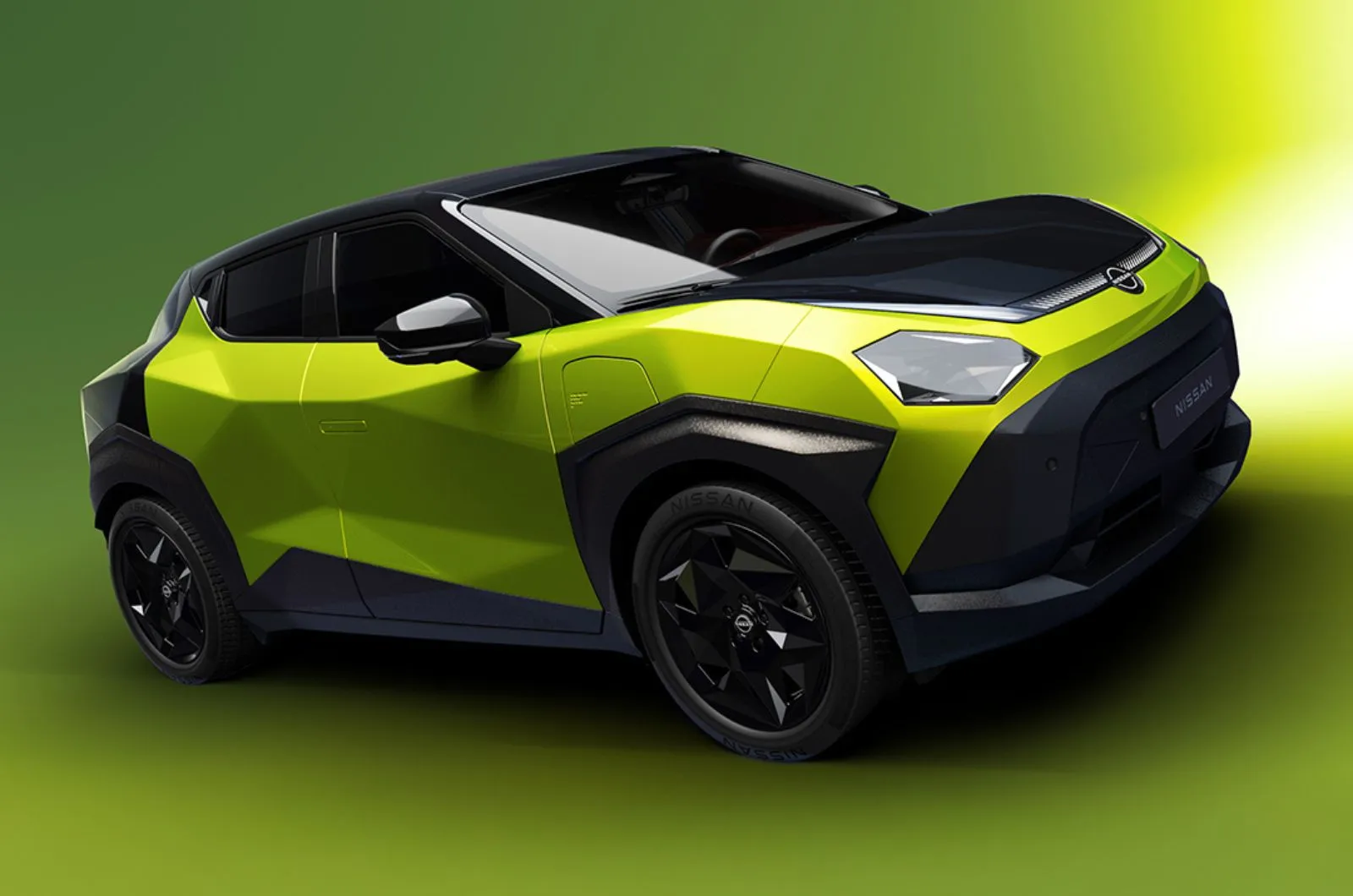
The already striking Nissan Juke will gain an even more radical look as the all-electric third-generation model hits the streets. Inspired by the Hyper Punk concept, the new car is expected to share technology with the new Nissan Leaf – including its batteries – and could deliver more than 375 miles from a charge. It will be sold alongside the current Juke for a time, and Nissan’s bosses believe it will be eligible for the full £3750 government EV grant.
Read more: Nissan Juke EV
Porsche Boxster/Cayman Electric
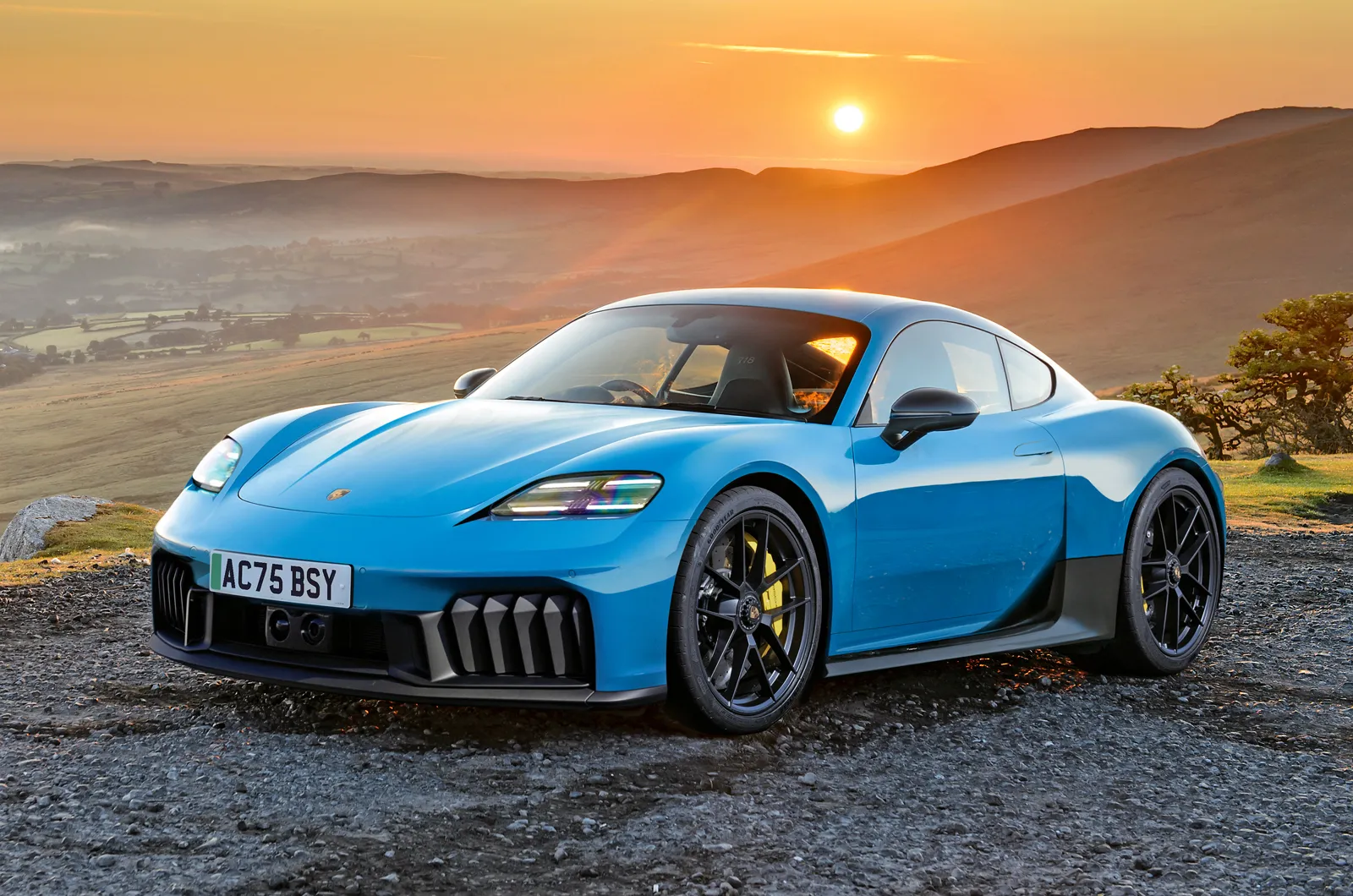
The pure electric replacements for today's Porsche Boxster roadster and Porsche Cayman coupé will sit on bespoke electric sports car underpinnings that differ from those of most EVs, because the batteries are situated behind the driver instead of under the car’s floor. This puts them in the same central location as the engines in the Boxster and Cayman, placing the centre of gravity as close to the driver as possible. Plus, it allows the driver to sit lower. Details remain far and few between for now, and the Boxster/Cayman EV program has been delayed several times now, but there's only so long Porsche can hold off for...
advertisement
scroll for more
Toyota GR GT
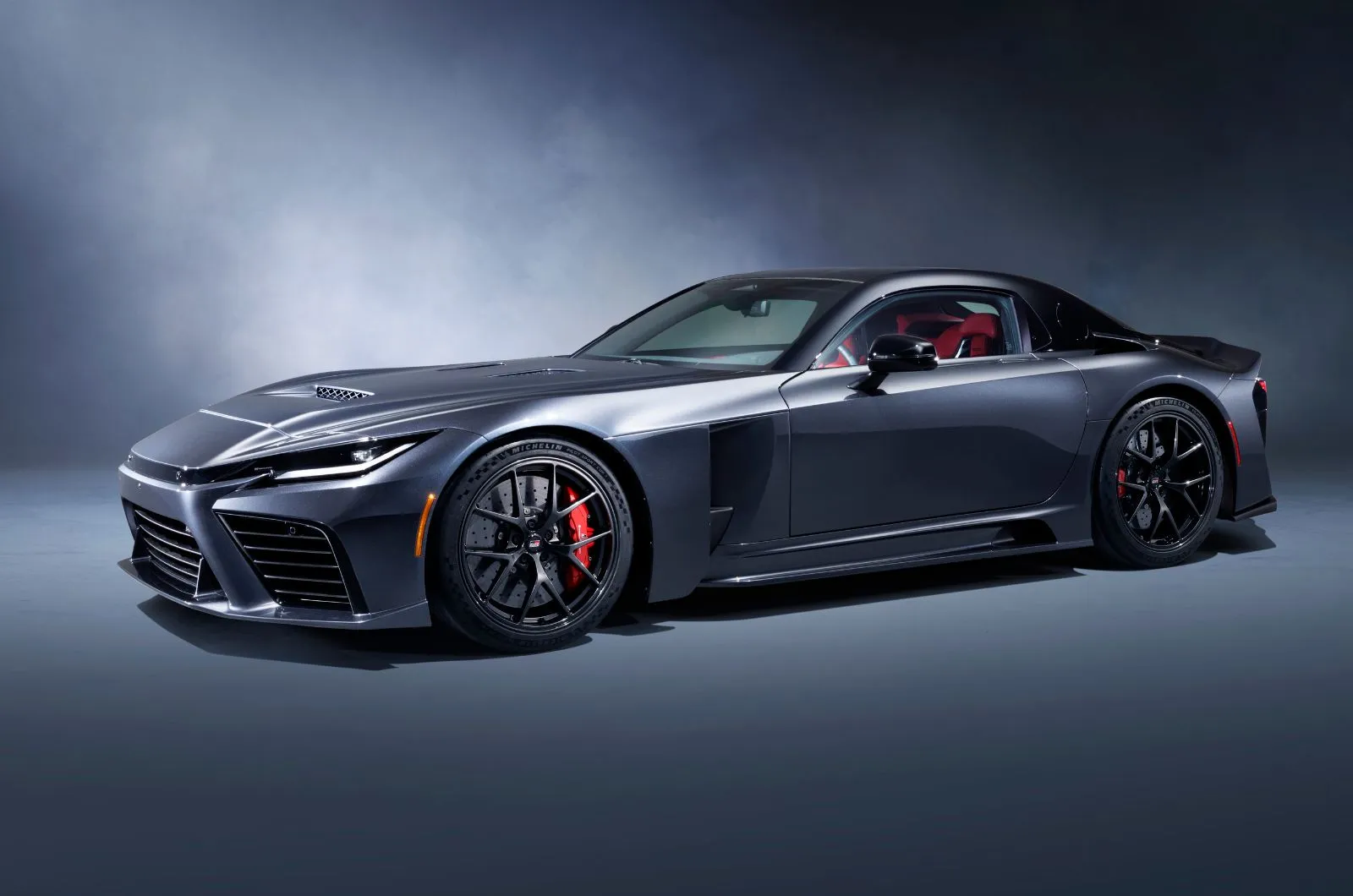
Sensible manufacturers launching wild supercars is a rare thing these days, but Toyota has decided to flip the script with its new GR GT: a sleek-bodied, rear-wheel drive adrenaline shot that was built in tandem with an actual GT3 racing car. The GR GT will get a 4.0-litre twin-turbo V8 aided by hybrid technology, and the numbers are spectacular: 641bhp, 627lb ft of torque, 0-62mph in a targeted 3.5secs and a top speed yoyoing around the 200mph mark. The best part? It’s price. Rumours are brewing that Toyota wants around £100k for the GR GT, and though that’s not a small number by any stretch, it’s a lot less than what a lot of its rivals will cost.
2028 and beyond
Alfa Romeo Giulia
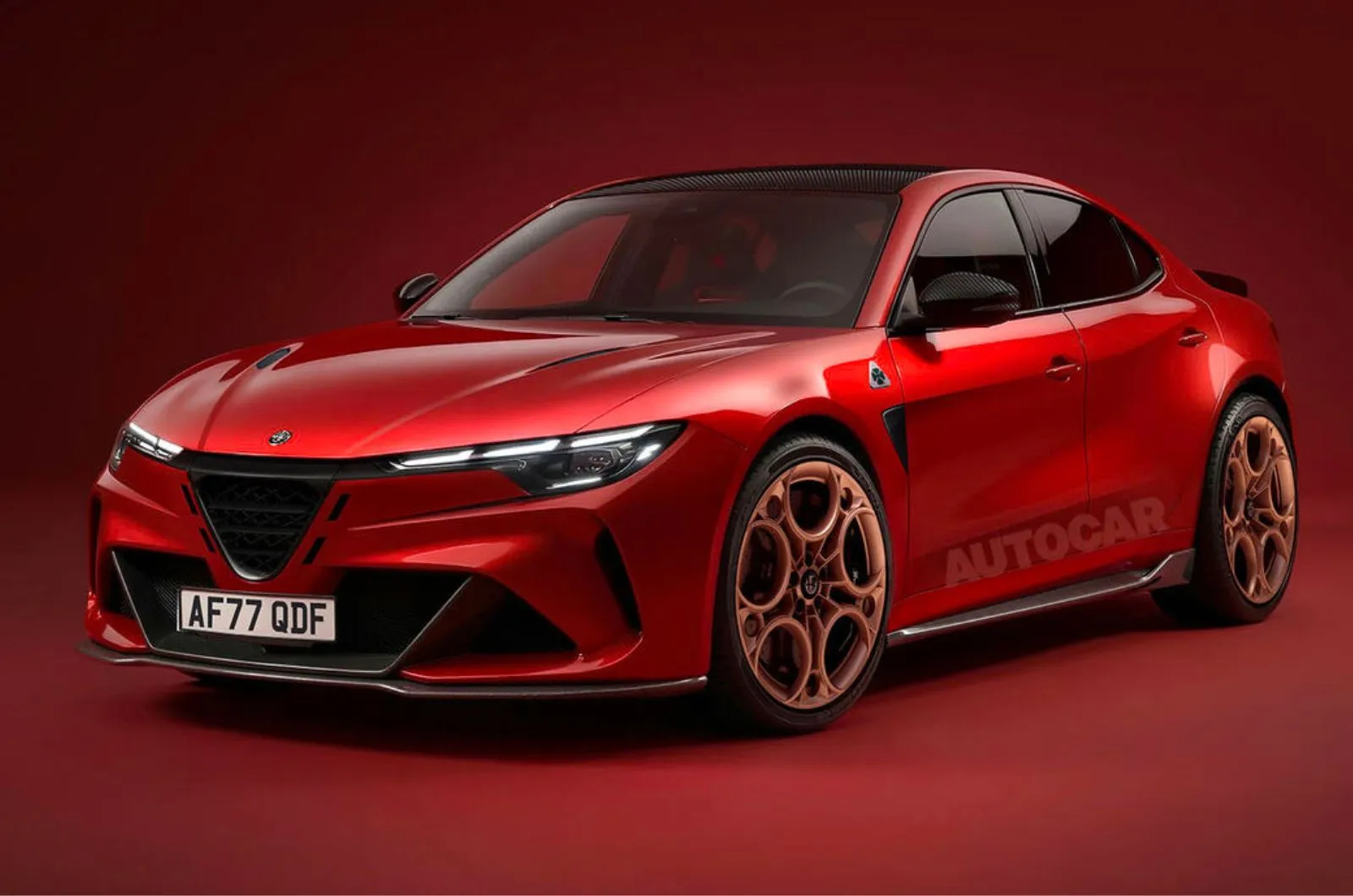
Despite the popularity of SUVs, Alfa Romeo has said it doesn’t want to become an SUV-only brand, which is why the Giulia executive saloon is getting an electric successor. Sharing its underpinnings with the latest American Dodge Charger, it was previously expected that the next Giulia would be sold exclusively as an electric car. However, Alfa Romeo has since hinted at offering a broader range of power options which could include a plug-in hybrid (PHEV) option. If so, the Giulia PHEV would likely use a 1.6-litre petrol engine, rear-mounted electric motor and 21kWh battery.
advertisement
scroll for more
Alfa Romeo Stelvio
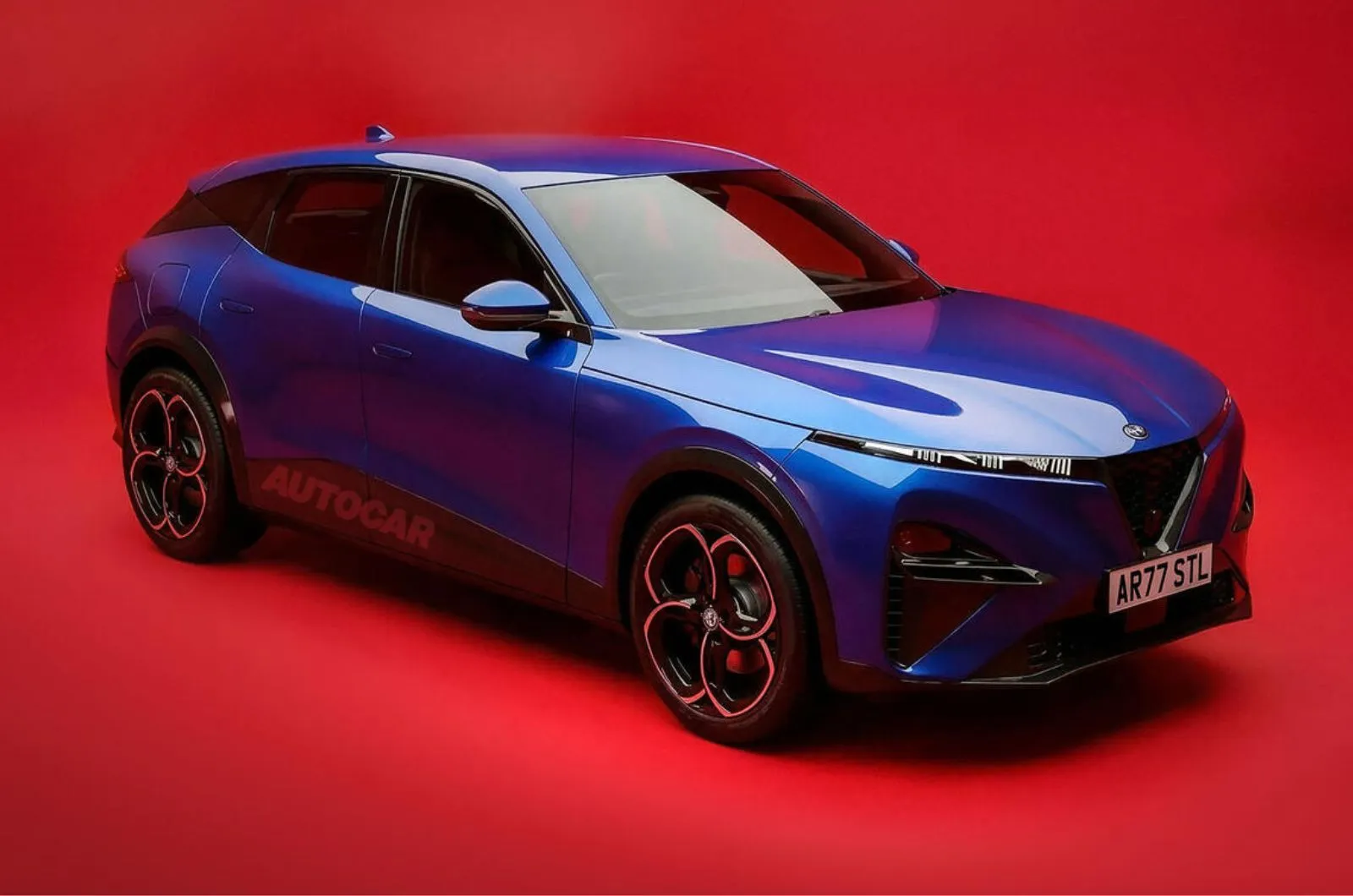
Once again, the Audi Q5 and Mercedes GLC will be the SUVs the Alfa Romeo Stelvio will need to beat. While the Stellantis-owned company has yet to officially unveil the new large SUV, leaked designs suggest it could be considerably larger than the outgoing model and feature similar styling cues to the smaller Junior. One thing that is for certain, though, is that the new Stelvio will be offered as a hybrid or electric car, featuring the same underpinnings as the upcoming Alfa Romeo Giulia and the American Dodge Charger.
Alpine A310
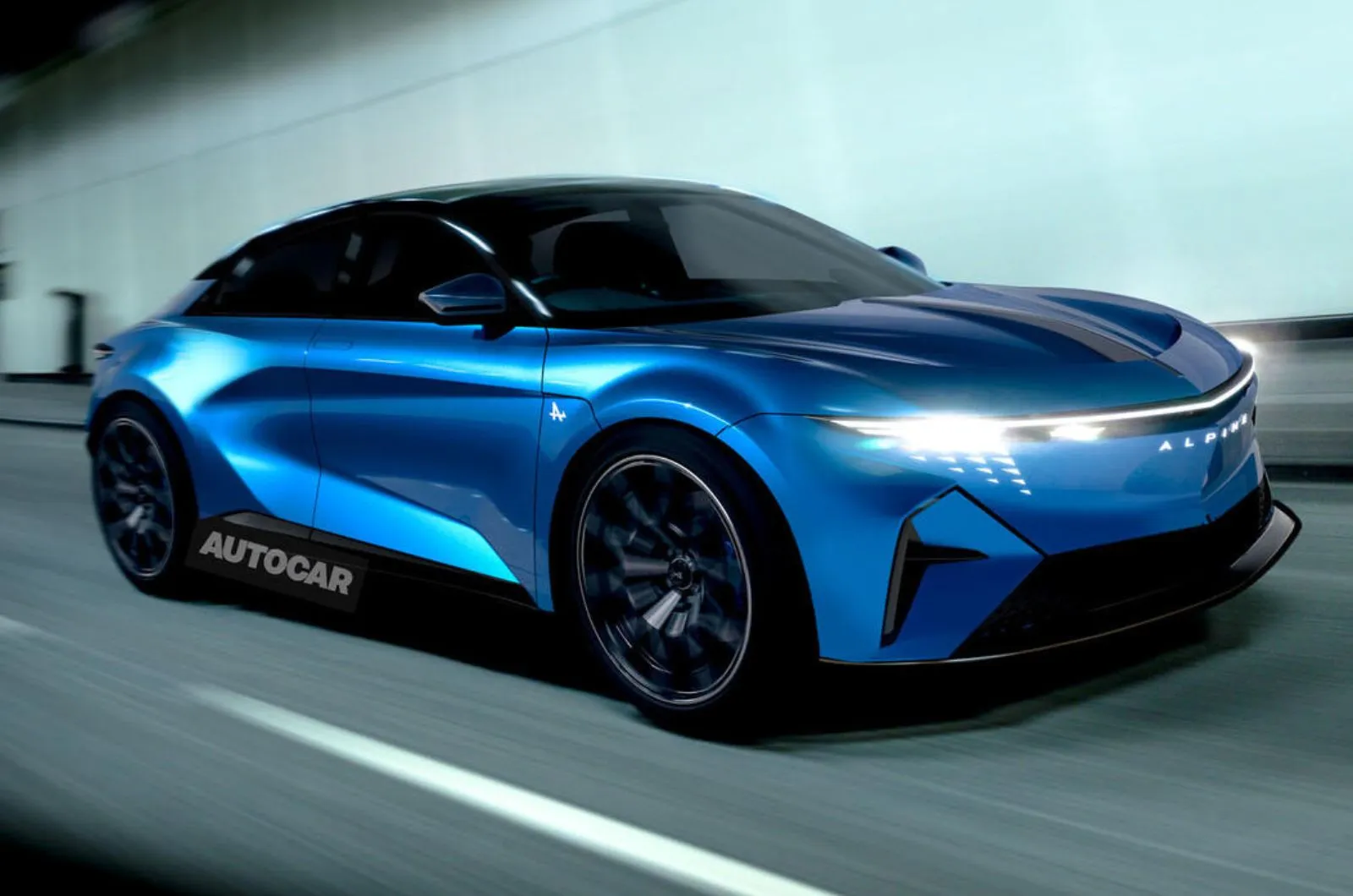
The Alpine A310 – much like the A110 – gets its name from a classic model, and like the 1970s original, the upcoming A310 is expected to be a 2+2 tourer, albeit one that swaps a petrol engine in favour of an all-electric setup.
While it’s too early to say how fast this electric alternative to the Porsche 911 will be, it’s speculated that it will use the same three-motor setup already seen in the Alpine A390 sports SUV. And since that car is able to reach 62mph in as little as 3.9sec, the A310 will likely be fast enough for most buyers.
advertisement
scroll for more
Aston Martin Venator
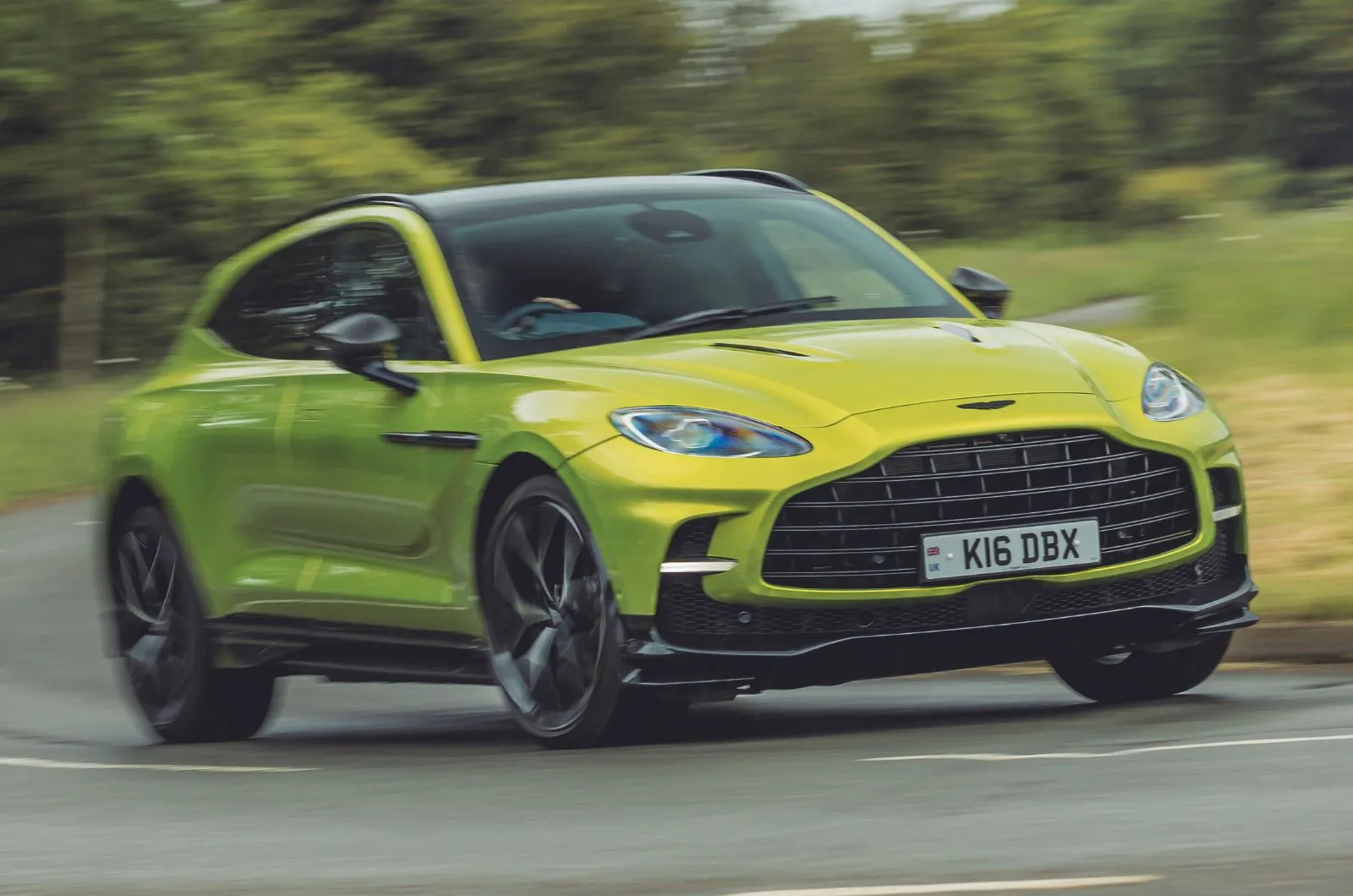
Originally slated for launch in 2027, but now pushed back to 2030, little is currently known about Aston Martin’s first electric car. This includes its name; however, a recent trademark suggests it might be called the Venator. It’s also unclear whether Aston Martin’s EV will be a unique model or a variant of a pre-existing petrol model.
Nevertheless, it’s speculated that various components will be sourced from the American carmaker Lucid. Given that their most powerful car to date, the Air Sapphire sports saloon, makes a dizzying 1234bhp and accelerates from 0-62mph in 1.9sec. There’s a strong possibility that the upcoming Aston will have what it takes to rival the Lotus Evija.
Audi A4 e-tron
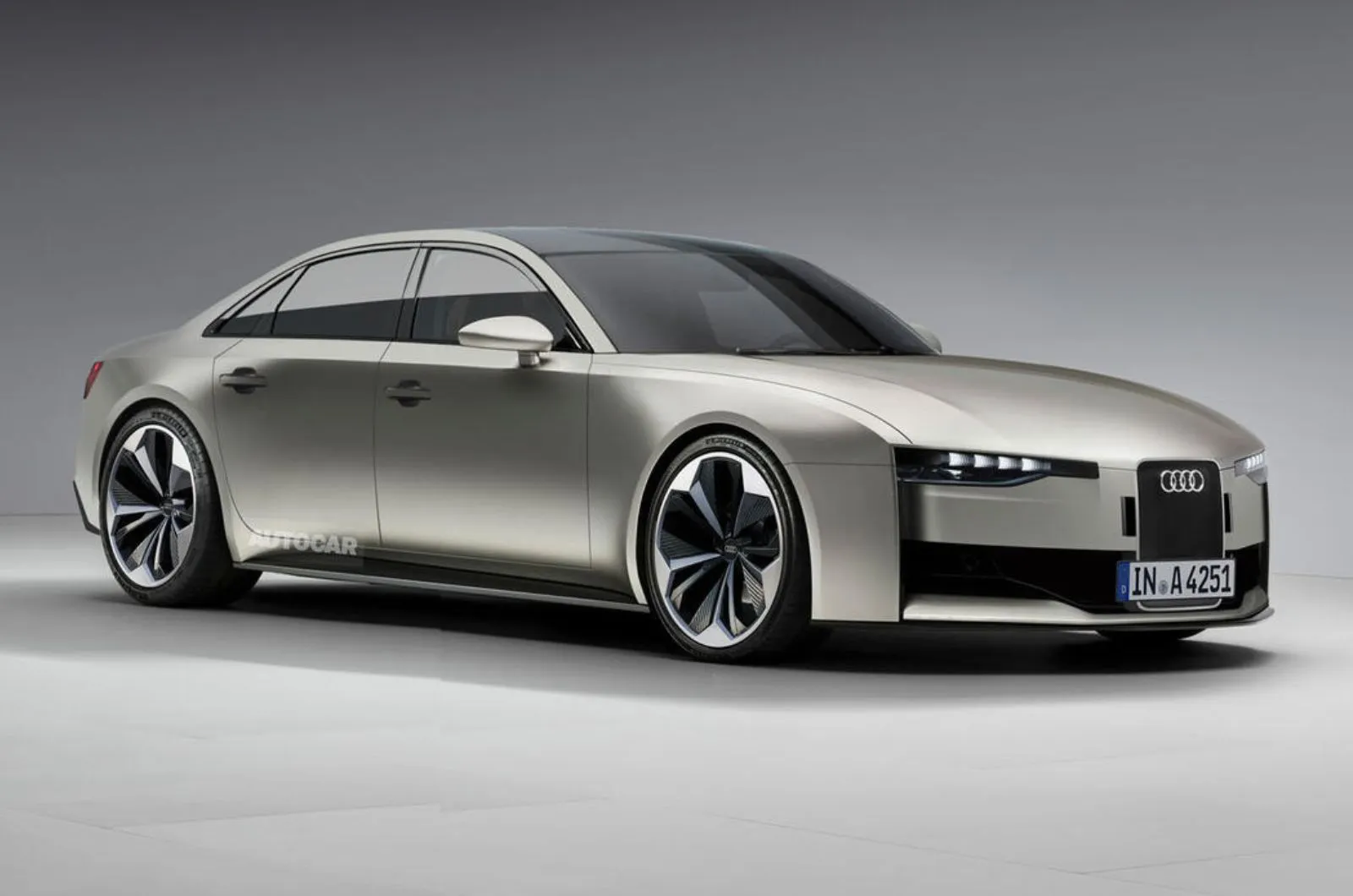
The Audi A4 had been a part of the Audi lineup for more than 30 years until its discontinuation in 2025. However, the executive car is set to be revived as an EV in 2028, based on new underpinnings that will probably be shared with future versions of the Skoda Octavia and Volkswagen Golf.
advertisement
scroll for more
It’s also expected that the new A4 will feature similar styling to the Concept C concept sports car, including a particularly slim set of headlights and a small, rectangular-shaped grille. Audi is yet to speculate on the A4’s range, but it would have to manage more than 500 miles to compete with the BMW i3.
BMW iM3
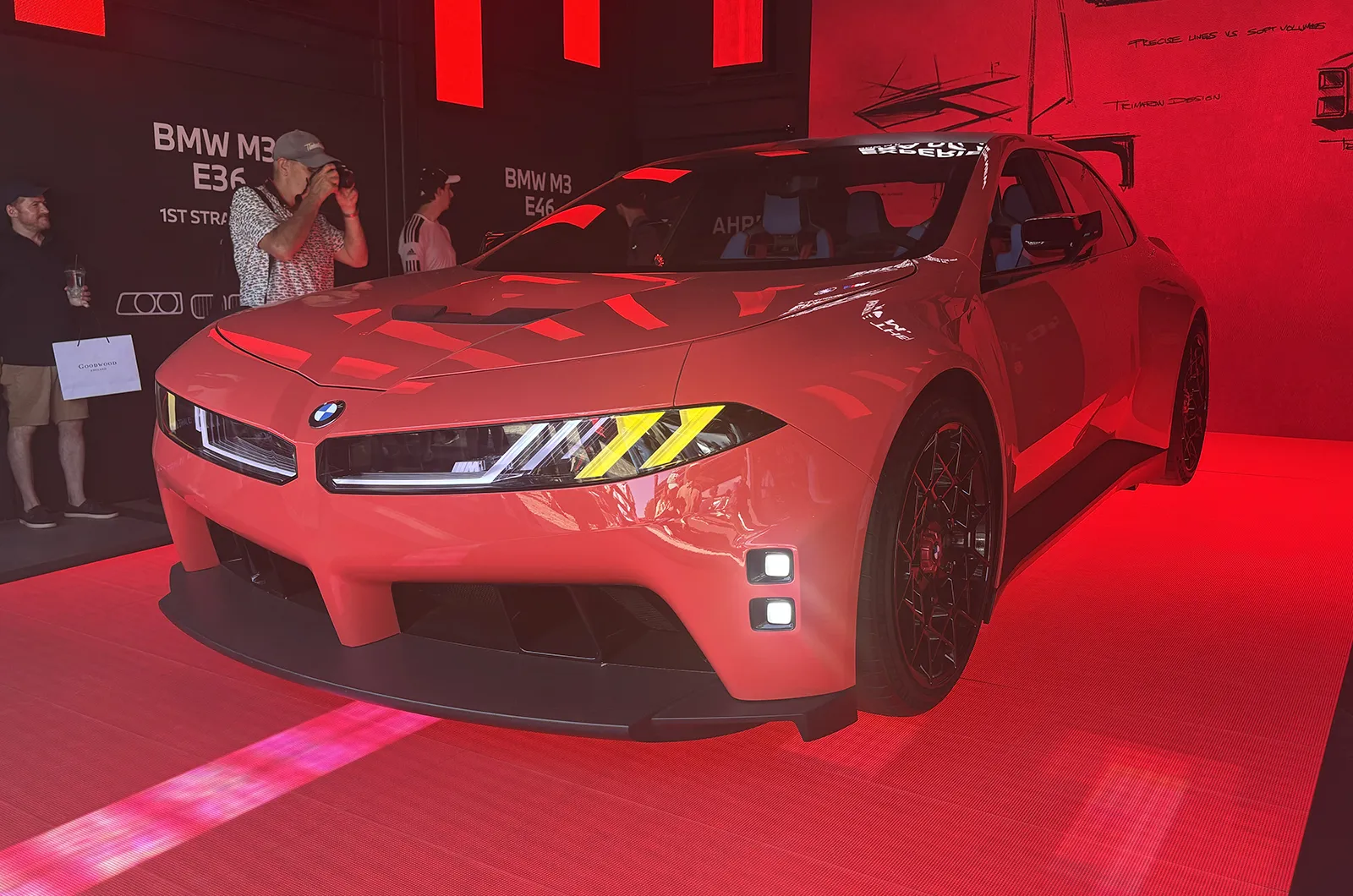
Certainly the boldest-looking car so far in BMW’s Neue Klasse lineup – with its split rear spoiler and bumper-integrated spotlights – the BMW iM3 is slightly more than just the first electric version of the long-running BMW M3. You see, it’s expected to feature no fewer than four electric motors, combining to deliver more than 1000bhp to all four wheels.
While BMW is yet to reveal how fast that will make the iM3, it’ll need to reach 62mph in a scorching 2.9sec to match the Tesla Model 3 Performance. It’s expected that the iM3 will use the same 108.7kWh (usable capacity) battery as the more conventional BMW i3; however, all that extra power means it’s unlikely to be able to cover the 559 miles that car can officially manage between charges. From launch, the iM3 will be offered exclusively as a four-door saloon; however, it’s believed an estate version is also in the works, replacing our reigning Performance Car of the Year: M3 Touring.
advertisement
scroll for more
Read more: BMW iM3
Citroën 2CV
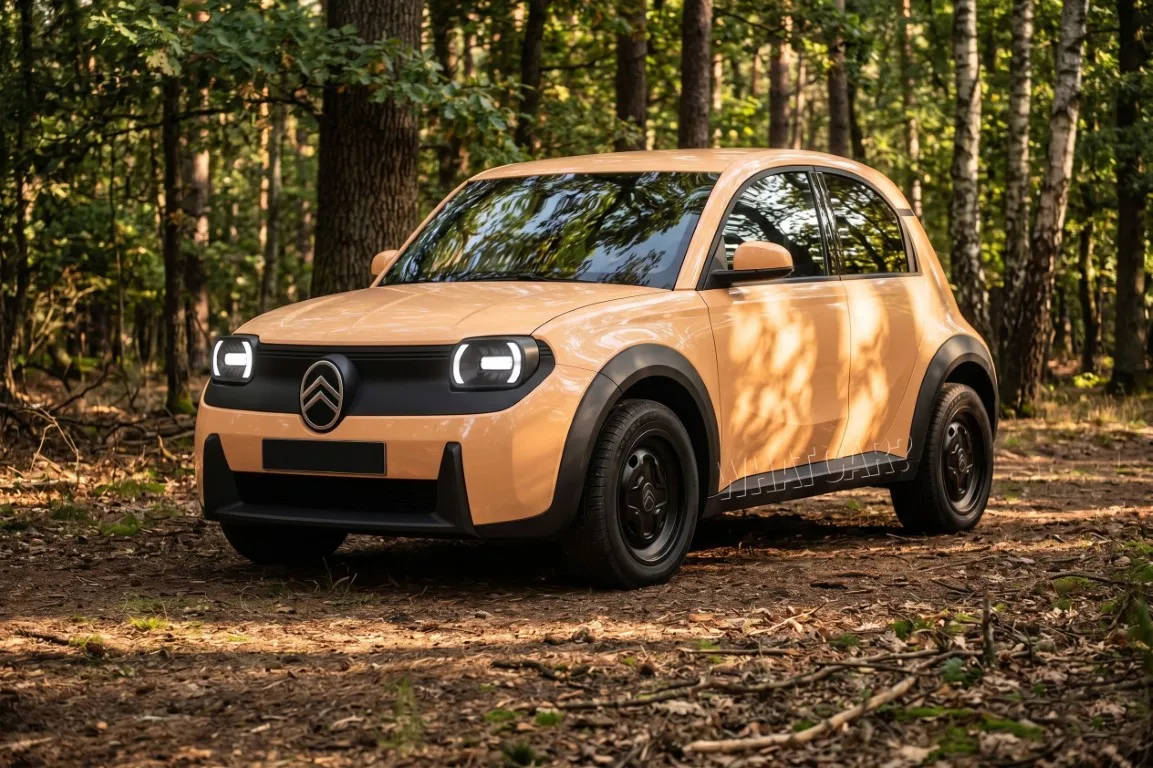
The car famed for putting France on wheels in the 1950s is set to return as an all-electric city car, with Citroën confirming a similar starting price to that of the Dacia New Spring and Leapmotor T03. Based on a new set of underpinnings – which will also likely be used on an upcoming replacement for the Fiat Panda – Citroën has hinted that the 2CV’s performance and range won’t be class-leading but well-suited for inner-city journeys. The new 2CV’s styling pays homage to the original, including bumper overriders, semi-externally-fitted headlights and the option of a manually-folding canvas roof. Its interior is also expected to stick closely to the source material, likely including a single-spoke steering wheel and physical buttons for key functions.
Read more: Citroën 2CV
Cupra Tindaya
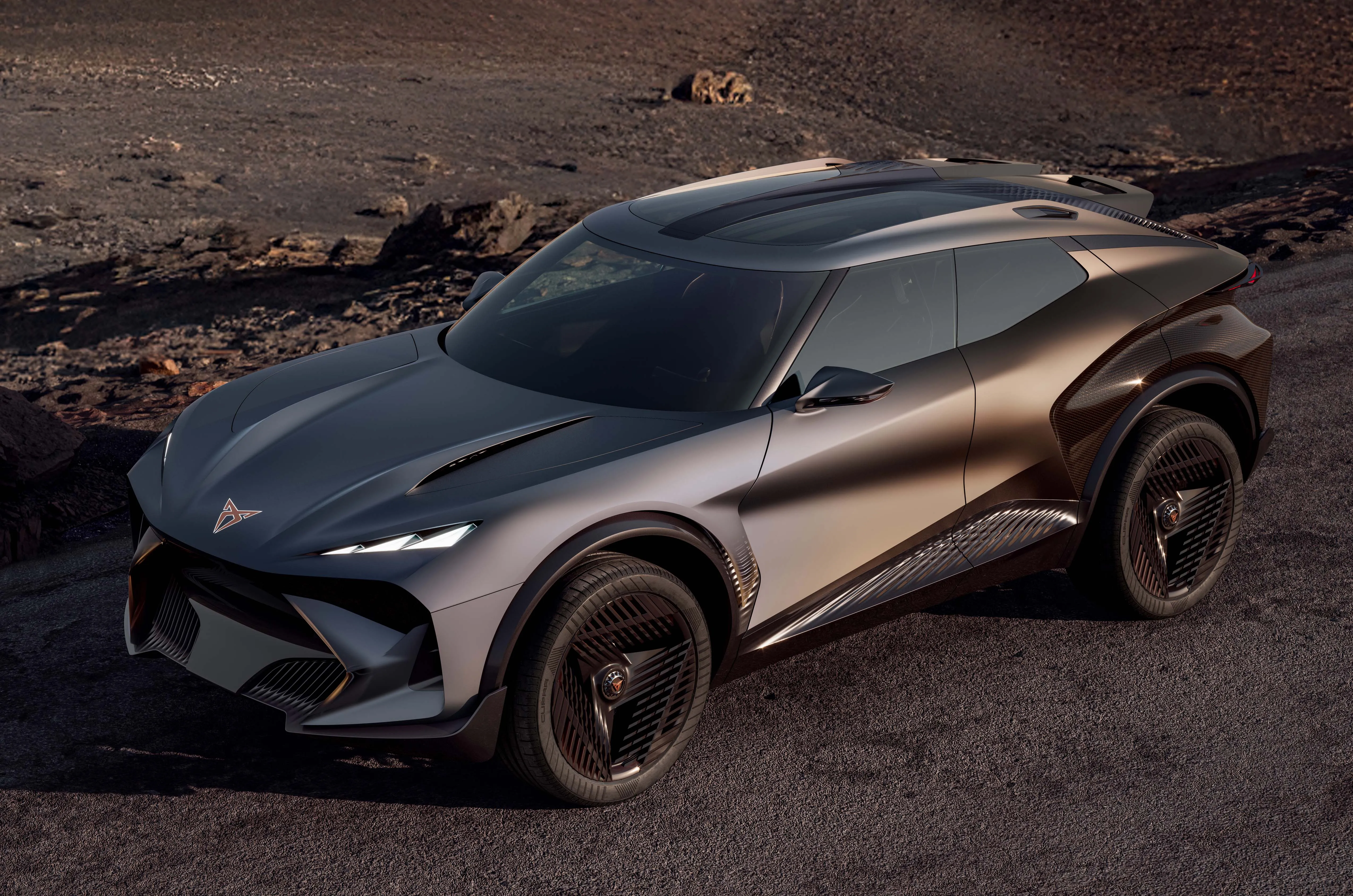
Named after a mountain in Fuertaventura, the Cupra Tindaya is a concept car that’s poised to become the brand’s flagship model, rivalling family electric SUVs such as the BMW iX3 and Tesla Model Y. Set to share its underpinnings with the next-generation Skoda Octavia and Volkswagen Golf, the Tindaya would be offered as a full EV or a range-extender hybrid, in which a 1.5-litre petrol engine is used to charge a battery, which in turn powers two electric motors that drive the car. Cupra claims this version of the Tindaya would sprint from 0-62mph in 4.1sec – making it the fastest accelerating car the brand has ever built – and would have a 620-mile range.
advertisement
scroll for more
The Tindaya concept’s interior is unconventional, featuring four floating bucket seats and swapping an infotainment touchscreen for a prism-shaped controller which is used to adjust interior settings.
Read more: Cupra Tindaya
Fiat Multiplina
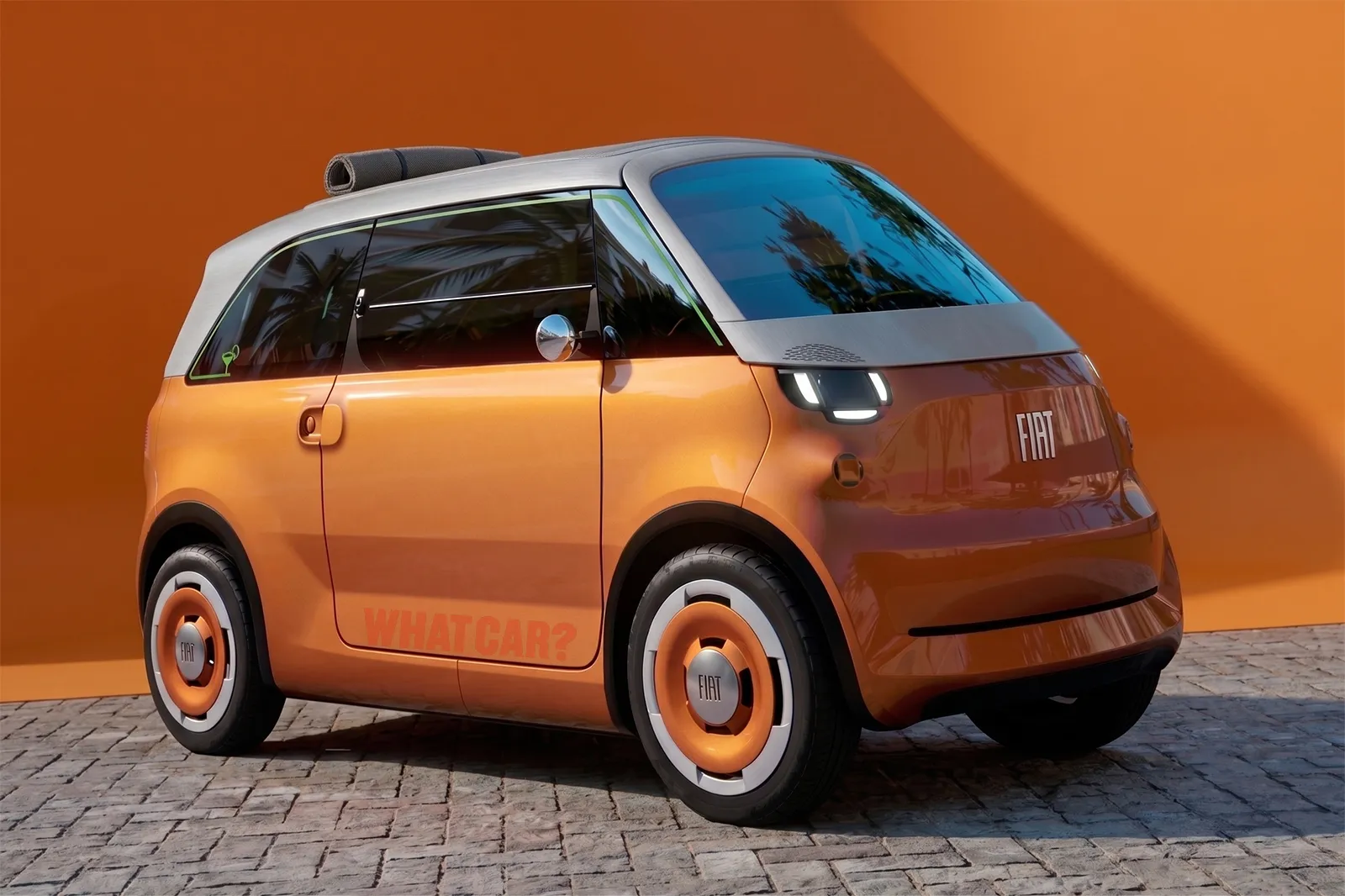
You might be fooled into thinking the Fiat Multiplina is a retro resurrection of the Fiat Multipla six-seater of the late 1990s, but it’s actually set to bridge the gap between two-seater quadricycles such as the Citroën Ami and full-size electric cars including the Dacia Spring and Leapmotor T03. Featuring a minimalist ‘one-box’ body, the Multiplina has enough space inside for four occupants.
Featuring a more powerful motor than the smaller Fiat Topolino quadricycle, the Multiplina will be capable of travelling at up to 55mph. What’s more, while Fiat is yet to reveal what battery will be used, the company has confirmed it will have an ‘extended range’ by quadricycle standards, meaning it should be capable of travelling further than the 46 miles the Topolino can officially achieve between charges.
advertisement
scroll for more
Read more: Fiat Multiplina
Ford Bronco
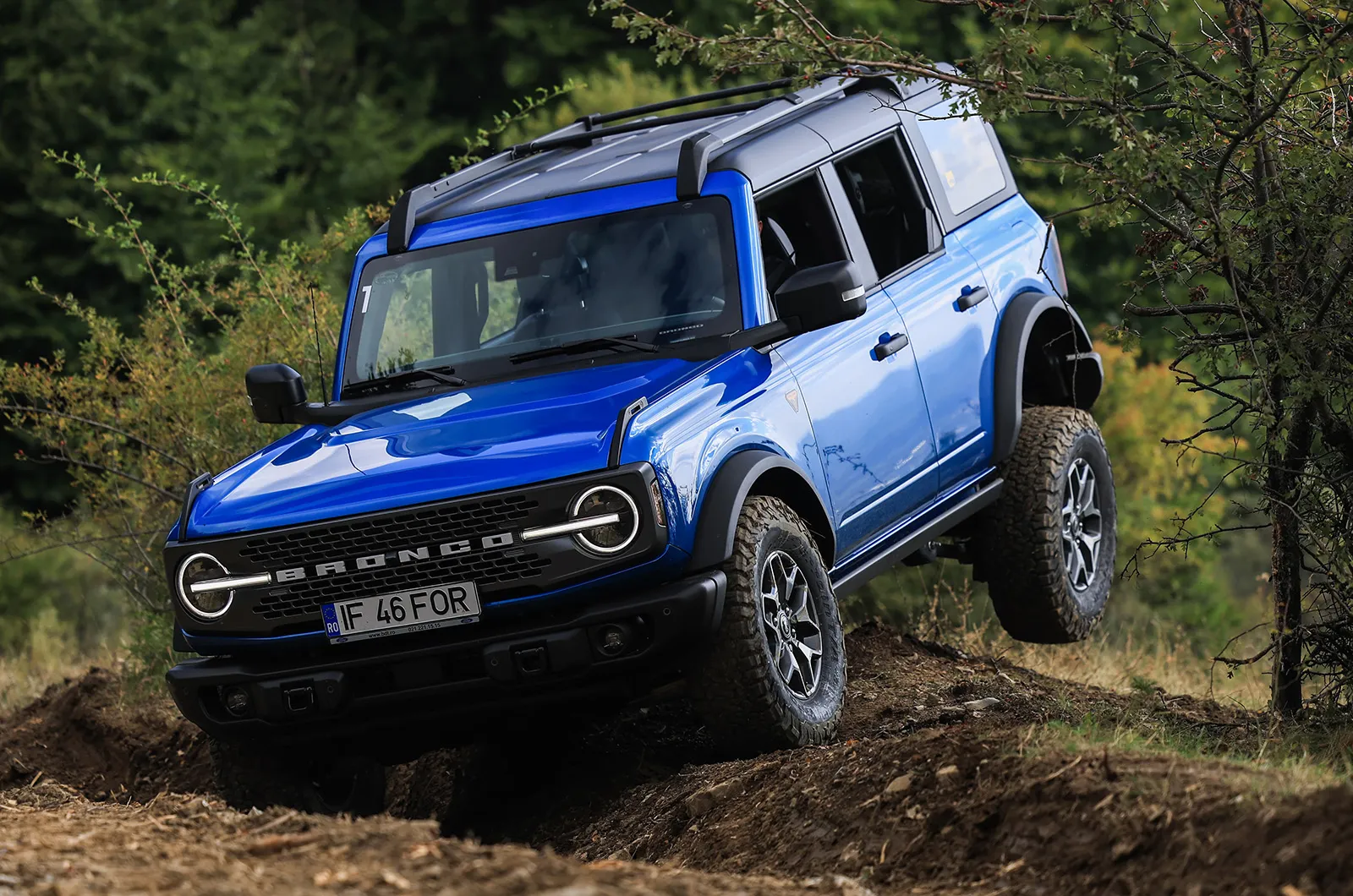
In America, the Jeep Wrangler-rivalling Ford Bronco has been a staple of the roads since the first generation was launched in the 1960s; and the company is now hoping to have the same success in Europe. One of five new Fords set to boost the European lineup before 2029, the European-built Bronco will retain its American sibling’s retro appearance albeit scaled down to family SUV proportions. As a result, its rivals will include the Kia Sportage and Skoda Karoq.
Likely to be based on the same underpinnings as the similarly-sized Ford Kuga, it’s speculated that the Ford Bronco will be offered with a variety of power options, including a full hybrid or plug-in hybrid (PHEV) setup.
Ford Fiesta
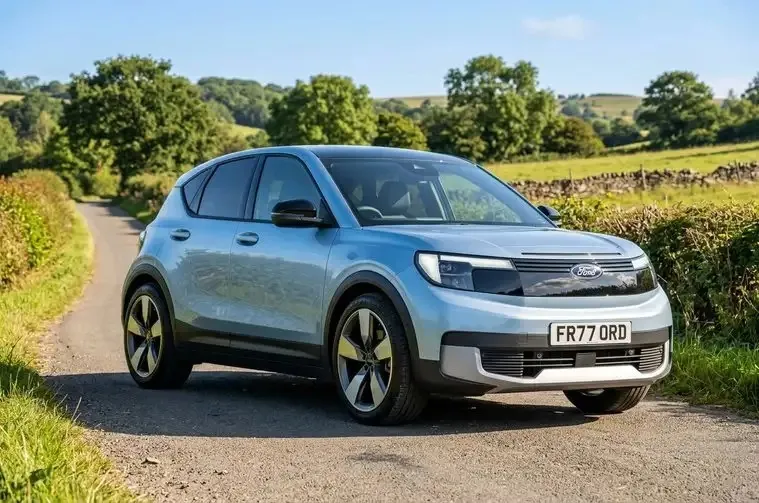
Five years on from its discontinuation in 2023, the Ford Fiesta is due to be relaunched as an electric car in 2028. Built in France using the same underpinnings as the Nissan Micra and Renault 5, the new Fiesta is expected to feature the same 40 or 50kWh (usable) battery options offered in the R5, with the bigger pack topping out at 252 miles of range in that car.
advertisement
scroll for more
Likewise, the Fiesta should also come with either a 119bhp or 148bhp electric motor to drive the front wheels. The main difference will be in design, with Ford’s returning hatch getting completely bespoke cues and proportions to the Micra or R5.
Read more: New Ford Fiesta
Ford Fuze
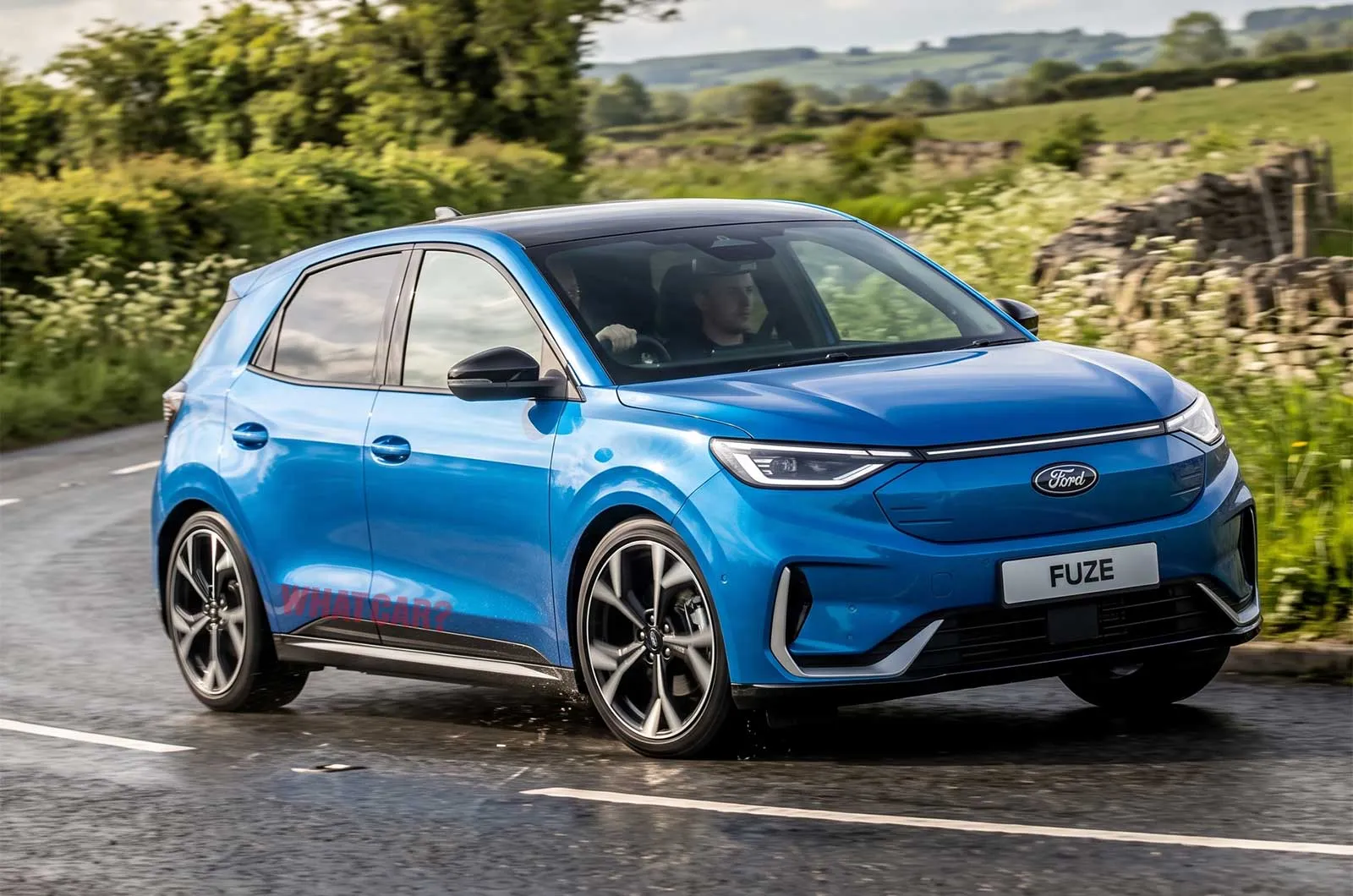
The Fuze is arguably Ford’s most ambitious upcoming model, the Fuze is the effective, all-electric replacement to the Ford Focus, taken off sale in 2025. As a result, it’s set to enter one of the most competitive slices of the EV market, competing with the MG4, Renault Megane and Volkswagen ID 3. Unlike the future Ford Fiesta, which will be closely linked to the Nissan Micra and Renault 5, it’s likely that the Fuze will be based on the brand’s own underpinnings, much like the upcoming Hive family SUV and Mythic pick-up truck. Most versions of the Fuze will likely feature a single motor to offer front-wheel drive. However, it’s possible that a dual-motor version offering four-wheel drive will be offered; potentially using the famous ‘ST’ name.
advertisement
scroll for more
Ford Hive
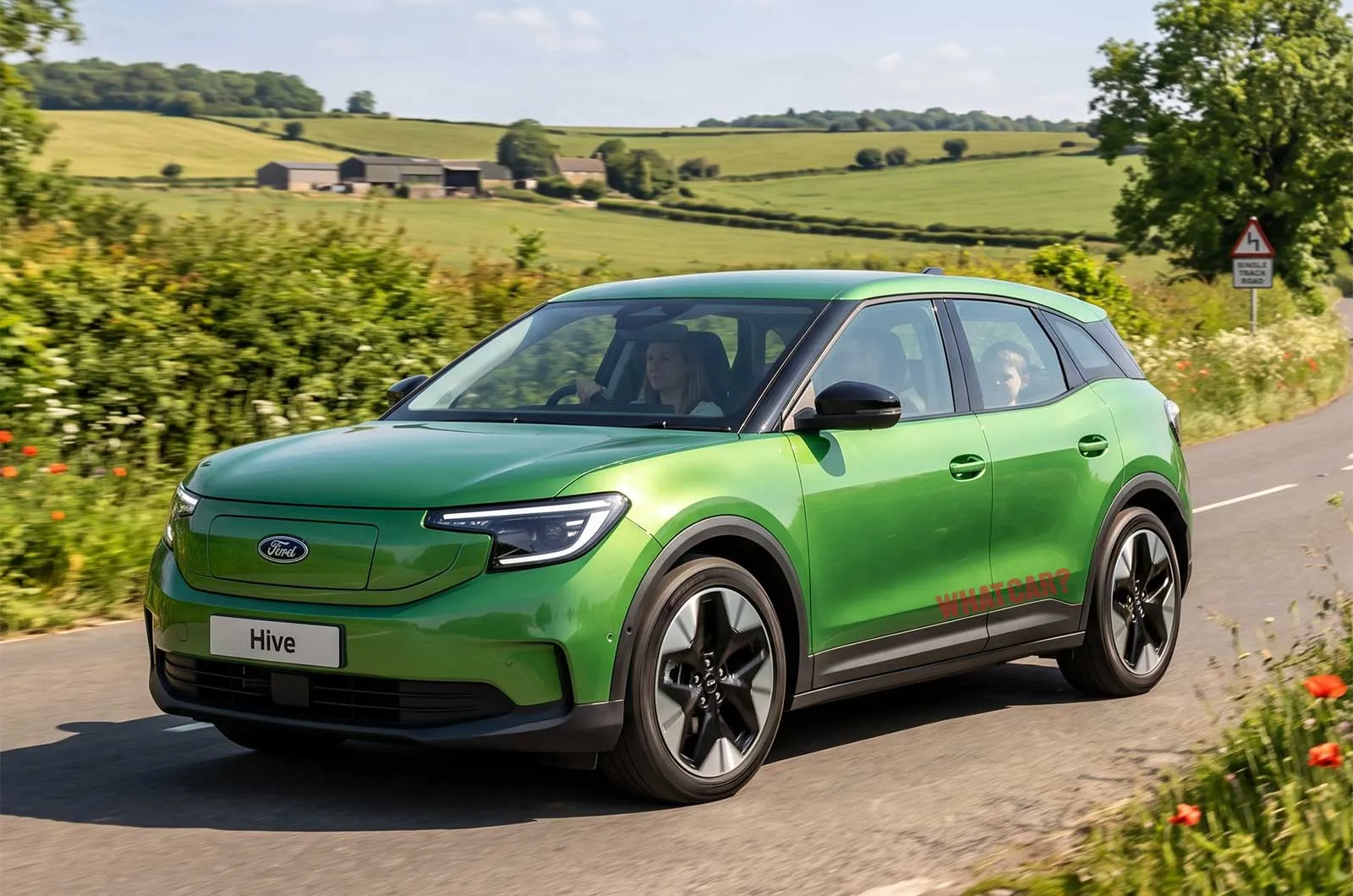
With the American Ford Escape set to be taken off sale before the end of the year – and the closely-related Ford Kuga expected to ultimately follow suit here in Europe – it’s likely that both models will be replaced with an all-electric family SUV called the Ford Hive. A competitor to the Skoda Elroq and Tesla Model Y, the Hive is expected to share its underpinnings with other upcoming electric Fords, including the Fathom pick-up truck and Mythic grand tourer, which features 800-volt architecture for fast charging. While few specifications have been confirmed, the Hive will need to cover around 350 miles between charges and sprint from 0-62mph in about five seconds to match its key rivals.
Ford Mythic
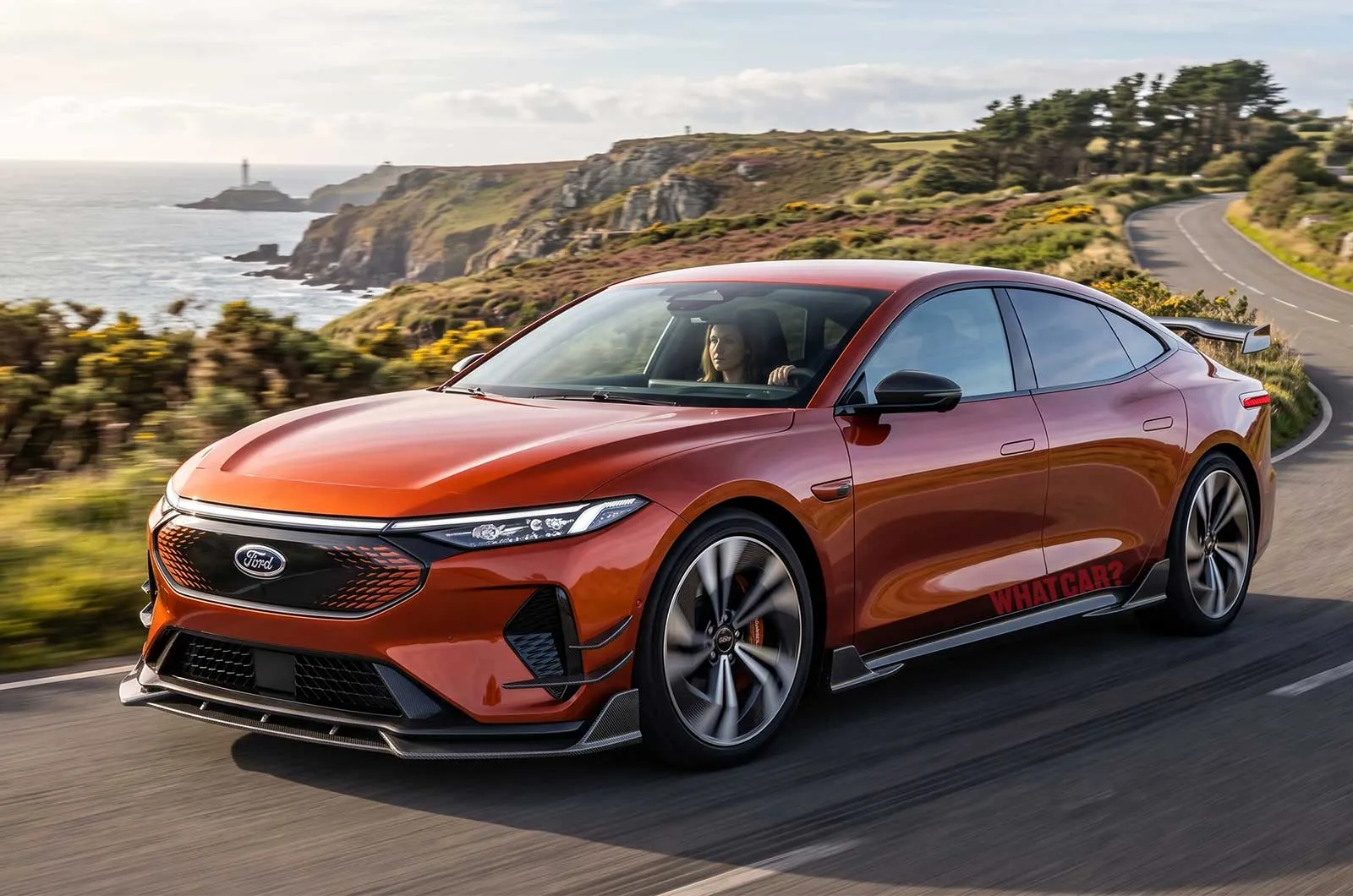
In addition to a new wave of electric small cars and SUVs, Ford is planning to expand its European lineup with a four-door grand tourer, likely to be named the Mythic. Rivalling the Audi E-tron GT and Porsche Taycan, the Mythic will likely use the same underpinnings as the upcoming Ford Fathom pick-up truck and Fuze family car. As a result, it’s expected to feature an 800-volt architecture to allow for a 10-80% charge in as little as 15 minutes.
advertisement
scroll for more
While Ford is yet to share how far the Mythic is expected to go on one charge, the company is taking some unusual steps to boost its range. This includes fitting it with a motorised rear spoiler that adjusts its angle depending on the current speed and building components out of carbon fibre composites and aluminium to reduce the car’s weight.
Geely Galaxy Cruiser
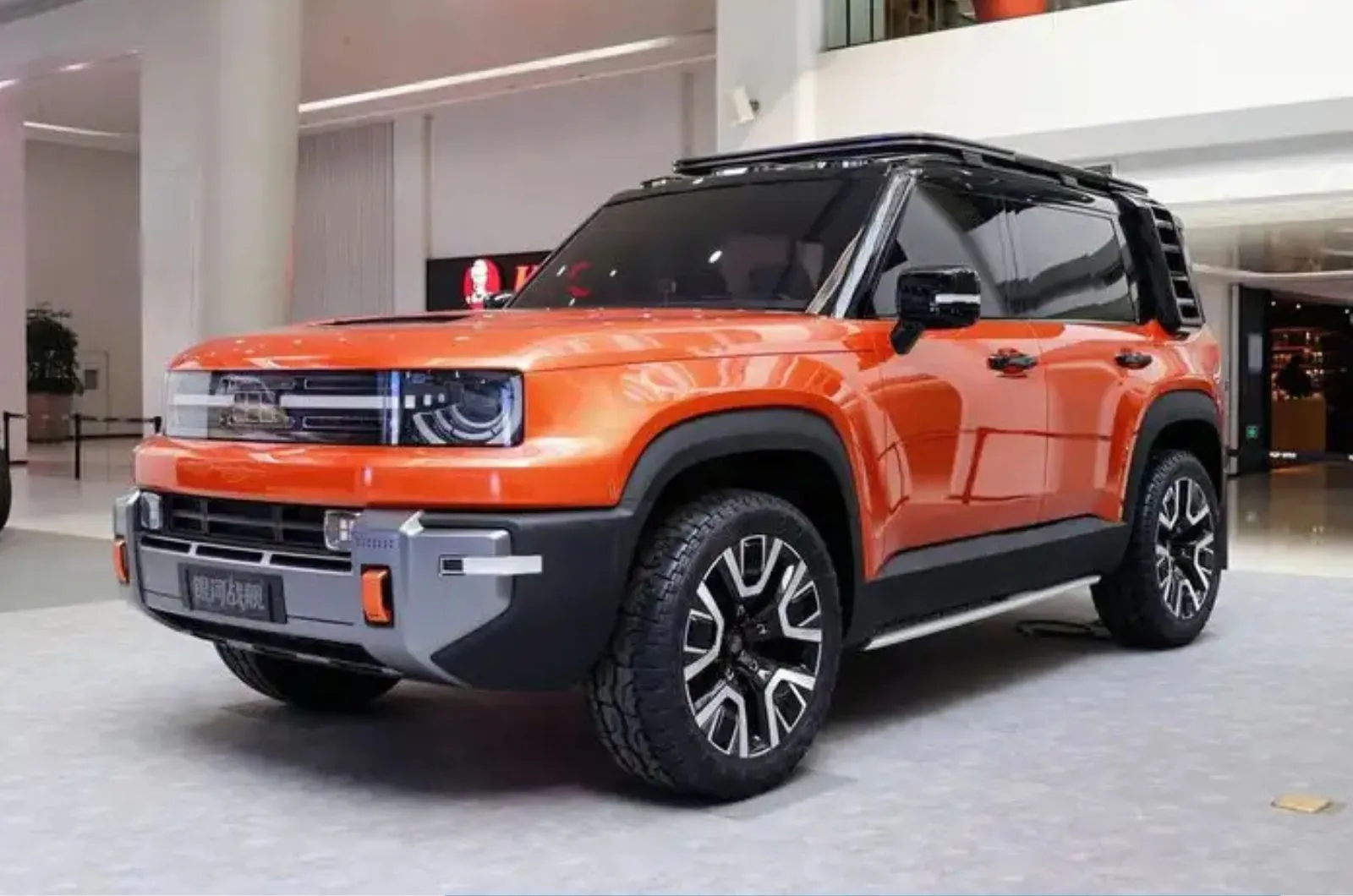
Despite sounding like a spaceship in a science fiction movie, the Geely Galaxy Cruiser is a rugged family SUV that’s set to rival the Land Rover Defender and Volvo XC90. One of the 10 models Geely aims to launch in the UK during the next few years, the Galaxy Cruiser is set to feature a PHEV setup, using a 2.0-litre turbocharged petrol engine and three electric motors.
According to the Chinese CLTC test cycle – which is more lenient than the European WLTP test cycle – the Galaxy Cruiser can officially manage up to 220 miles on electric power alone.
Read more: Geely Galaxy Cruiser
advertisement
scroll for more
Lotus Type 135
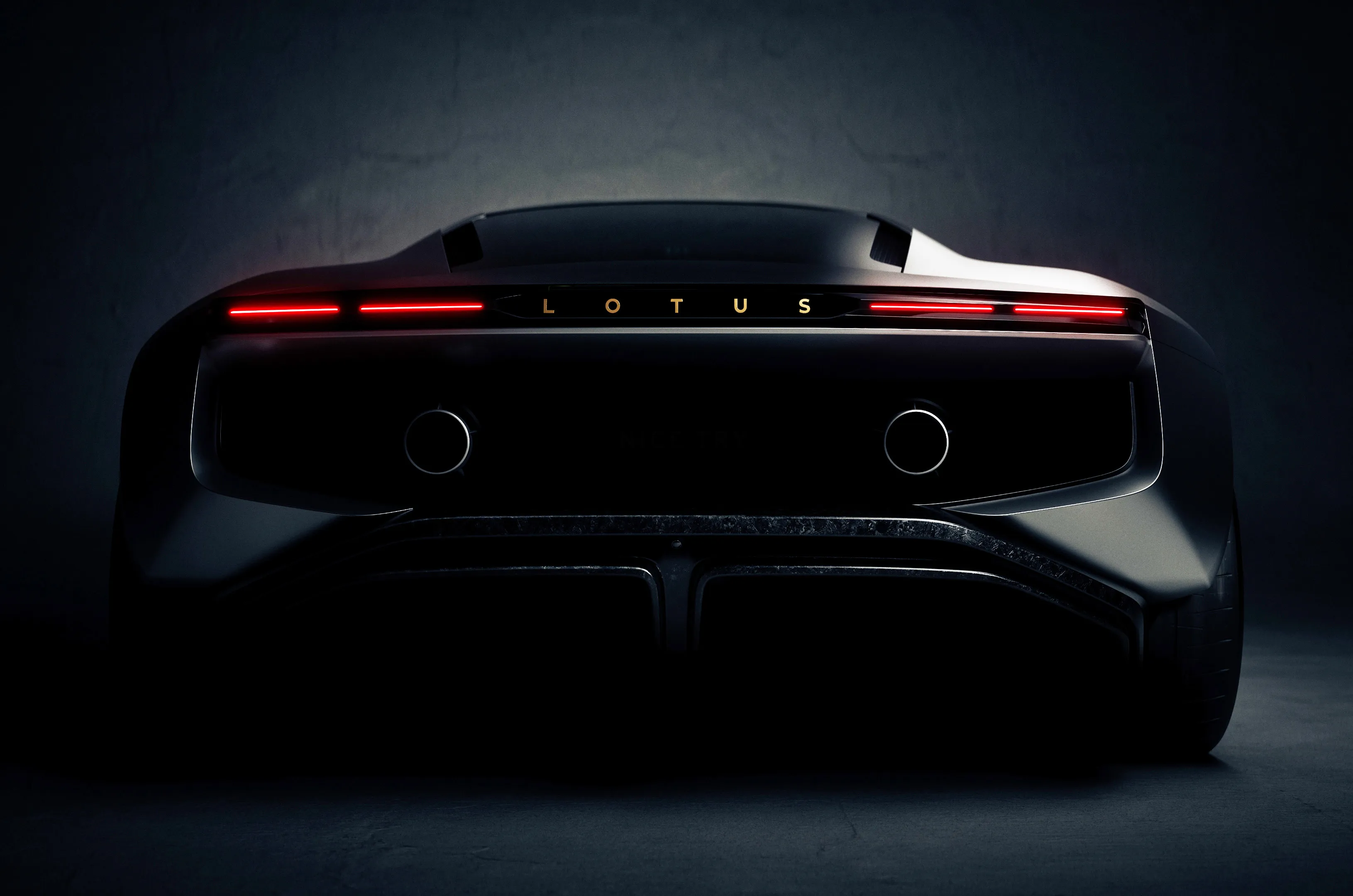
Having scrapped plans to have switched to a fully-electric lineup by 2028, you could consider the Lotus’s upcoming supercar a return to tradition. That’s because this Ferrari 849 Testarossa rival – codenamed the Type 135 and possibly branded the Esprit – will use a new V8 engine as part of its full hybrid setup, which is claimed to provide a combined output of more than 986bhp. Lotus has yet to reveal how quick that will make the Type 135, but it’ll need to sprint to 62mph in 2.3sec to match the Testarossa.
Rather than reviving the Esprit’s wedge-shaped appearance, teaser images of the Type 135 suggest it should look similar to the Theory 1 concept car, first shown in 2024. That means it will likely have a minimal appearance with thin horizontal rear lights and two prominent exhaust pipes. However, it’s unclear whether the Type 135 will retain the Theory 1’s McLaren F1-like central driving position.
advertisement
scroll for more
Read more: Lotus Type 135
Maserati Quattroporte
Originally expected to launch in 2025, Maserati pushed back the launch date of the upcoming Quattroporte to focus on other electric models, such as the Maserati Granturismo Folgore. Now with an expected 2028 release, the seventh generation Quattroporte will likely share its underpinnings with the next Alfa Romeo Giulia and Stelvio. Unlike previous iterations, the next Quattroporte will be available as a fully-electric car, allowing it to rival the Audi E-tron GT and Porsche Taycan. However, Maserati hasn’t ruled out mild hybrid and plug-in hybrid (PHEV) options to cater for a wider range of buyers.
Mazda MX-5
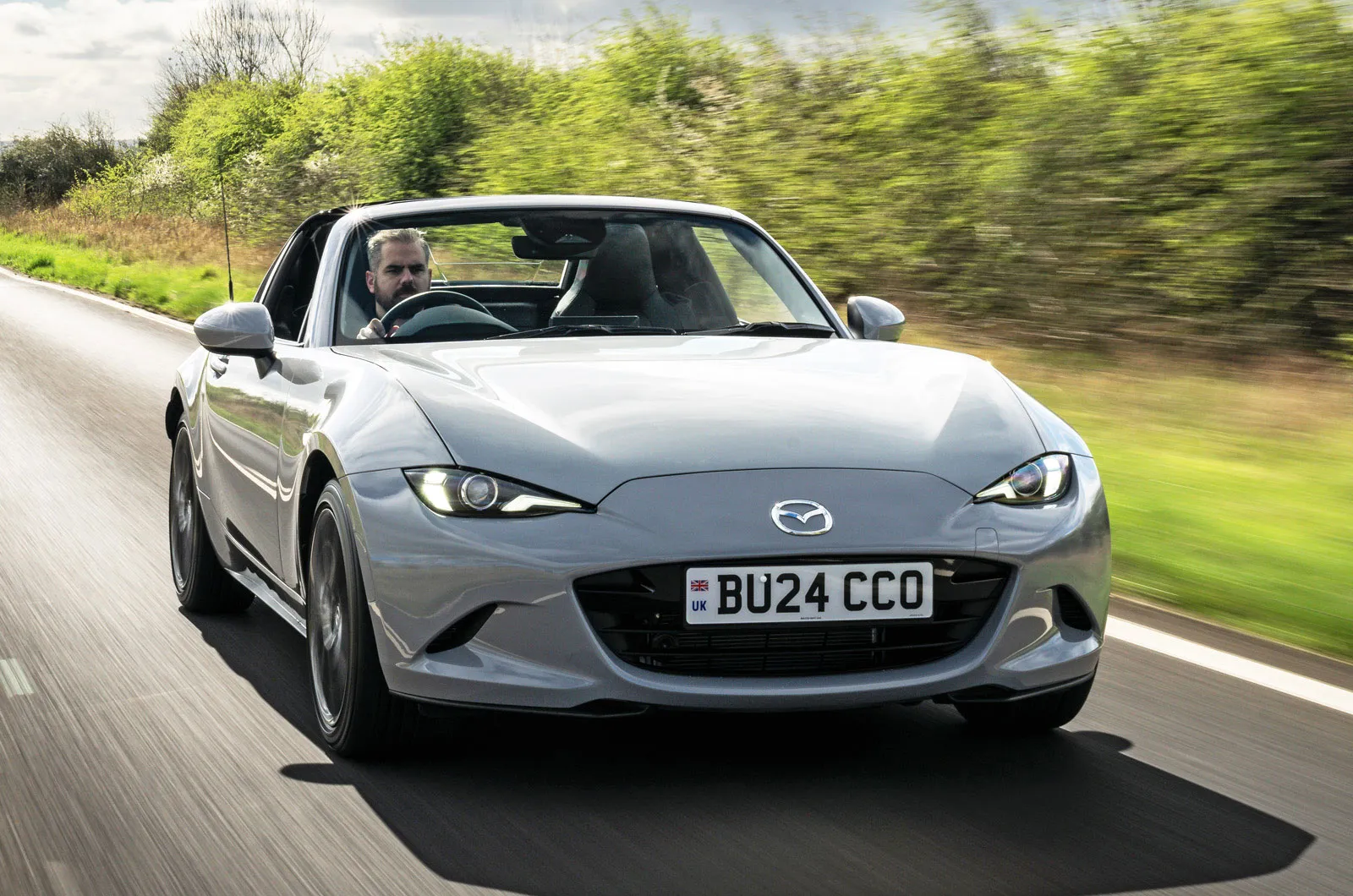
Replacing the current generation version, which has been on the market for more than a decade now, the next Mazda MX-5 was first revealed as the Iconic SP at the 2023 Japan Mobility Show. However, while the concept shares similarly sleek styling to the current MX-5, the Iconic SP swaps a conventional petrol engine in favour of a range extender electric vehicle setup. Mazda has previously voiced hopes that this setup will include a rotary engine – similar to that featured in the Mazda MX-30 small SUV; however, has warned that development costs could limit the idea. Nevertheless, the next MX-5 is expected to weigh less than 1000kg, helping it inherit the same nimble feeling as the current version.
advertisement
scroll for more
McLaren P47
Following in the footsteps of a growing number of performance manufacturers, McLaren is likely to enter the sports SUV market. Provisionally called the P47, McLaren’s SUV will compete with the Aston Martin DBX, Ferrari Purosangue and Lamborghini Urus. While McLaren is yet to share any information about how powerful their SUV will be, it’s speculated that it will use a version of the full hybrid setup found in the W1 hypercar, including a 4.0-litre twin-turbocharged V8.
And while it’s likely that the setup will be detuned from the 1258bhp combined output the W1 makes, the P47 will still need to accelerate from 0-62mph in around three seconds to compete with the fastest rivals.
MG Go
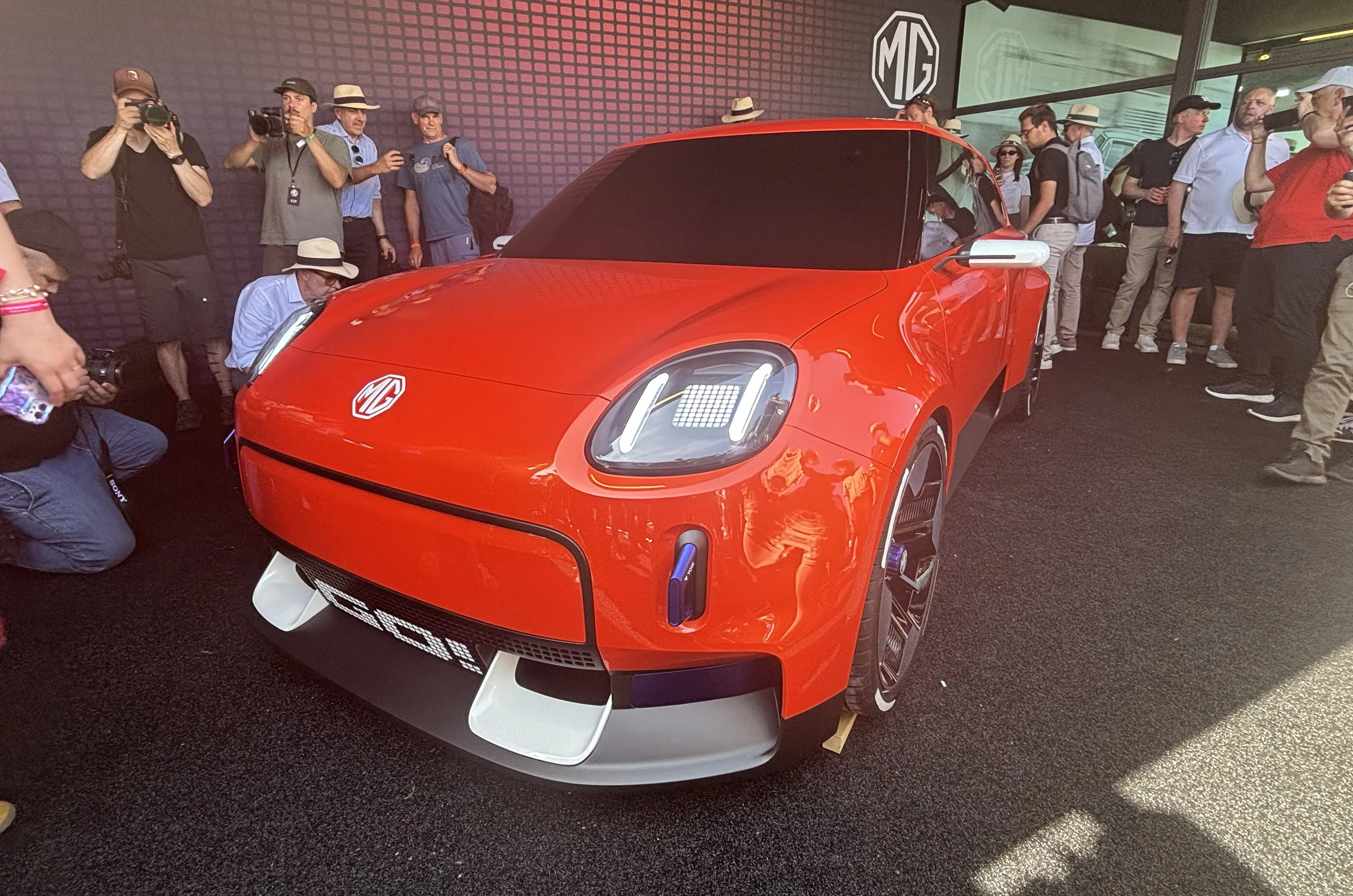
MG’s smallest electric car to date, a production version of the MG Go would compete with the Mini Cooper Electric and Renault 5. Revealed at the 2026 Goodwood Festival of Speed, the concept version of the MG Go features an aggressive body kit and spoiler, and flared out wheel arches, which will likely be toned down for the production version. Nevertheless, MG has hinted that a performance version could be subsequently offered. No technical details for the Go have been revealed, but it will need to reach 62mph in about eight seconds and cover 250 miles between charges to match its closest rivals.
advertisement
scroll for more
Read more: MG Go
Polestar 6
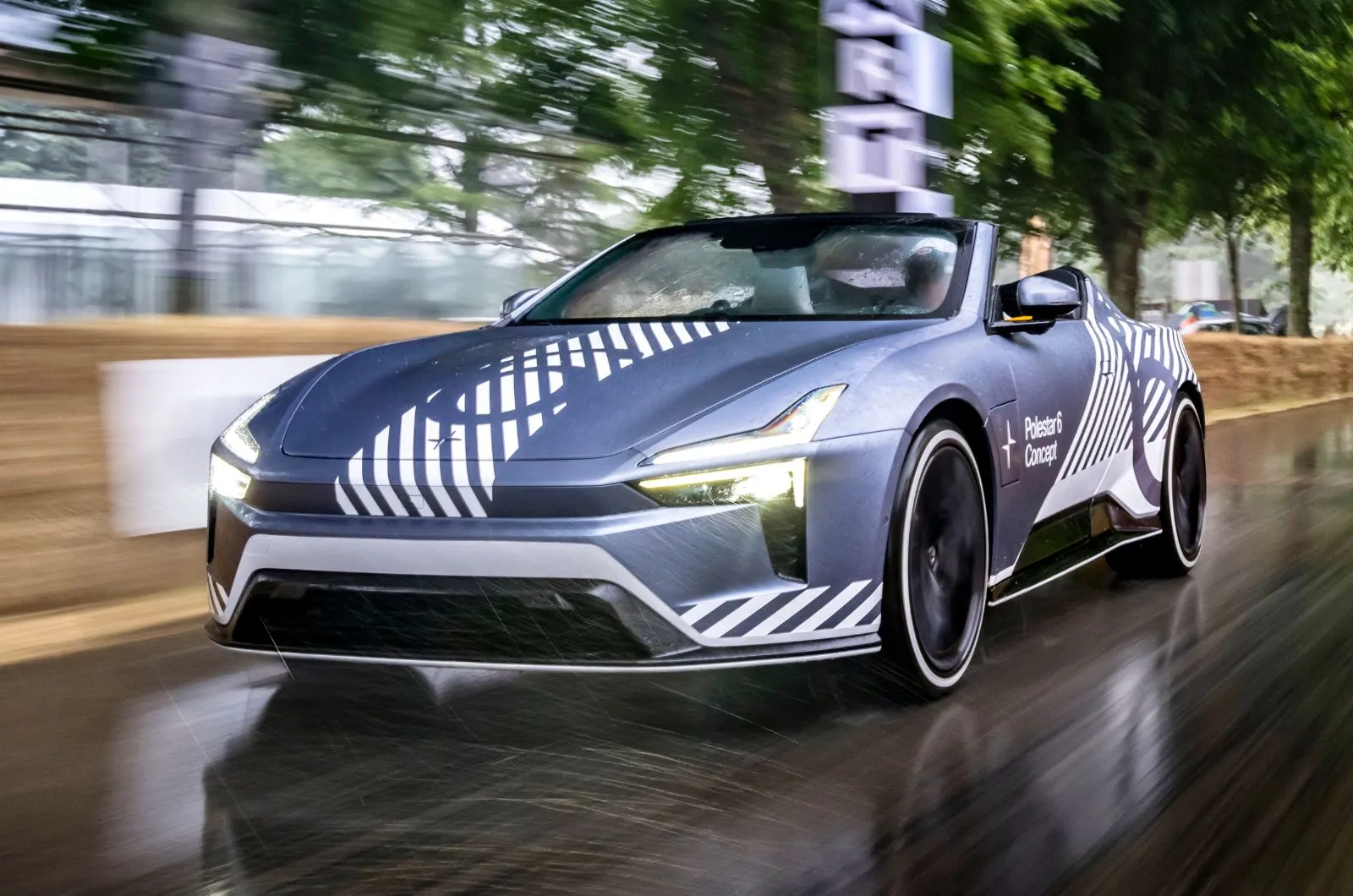
Focusing on more mainstream upcoming models means the Polestar 6’s release has been pushed back, but it should be worth the wait. The sleek 2+2 roadster will feature a pair of electric motors which combine to send an impressive 872bhp to all four wheels. That’s enough oomph for the Polestar 6 to sprint from 0-62mph in an estimated 3.2sec, which would make it slightly quicker off the mark than the Audi E-tron GT S.
While Polestar is yet to share details on the 6’s battery or range, we do know that, like other Polestars, it will feature a minimalist interior featuring a large, portrait-mounted touchscreen.
Read more: Polestar 6
Polestar 7
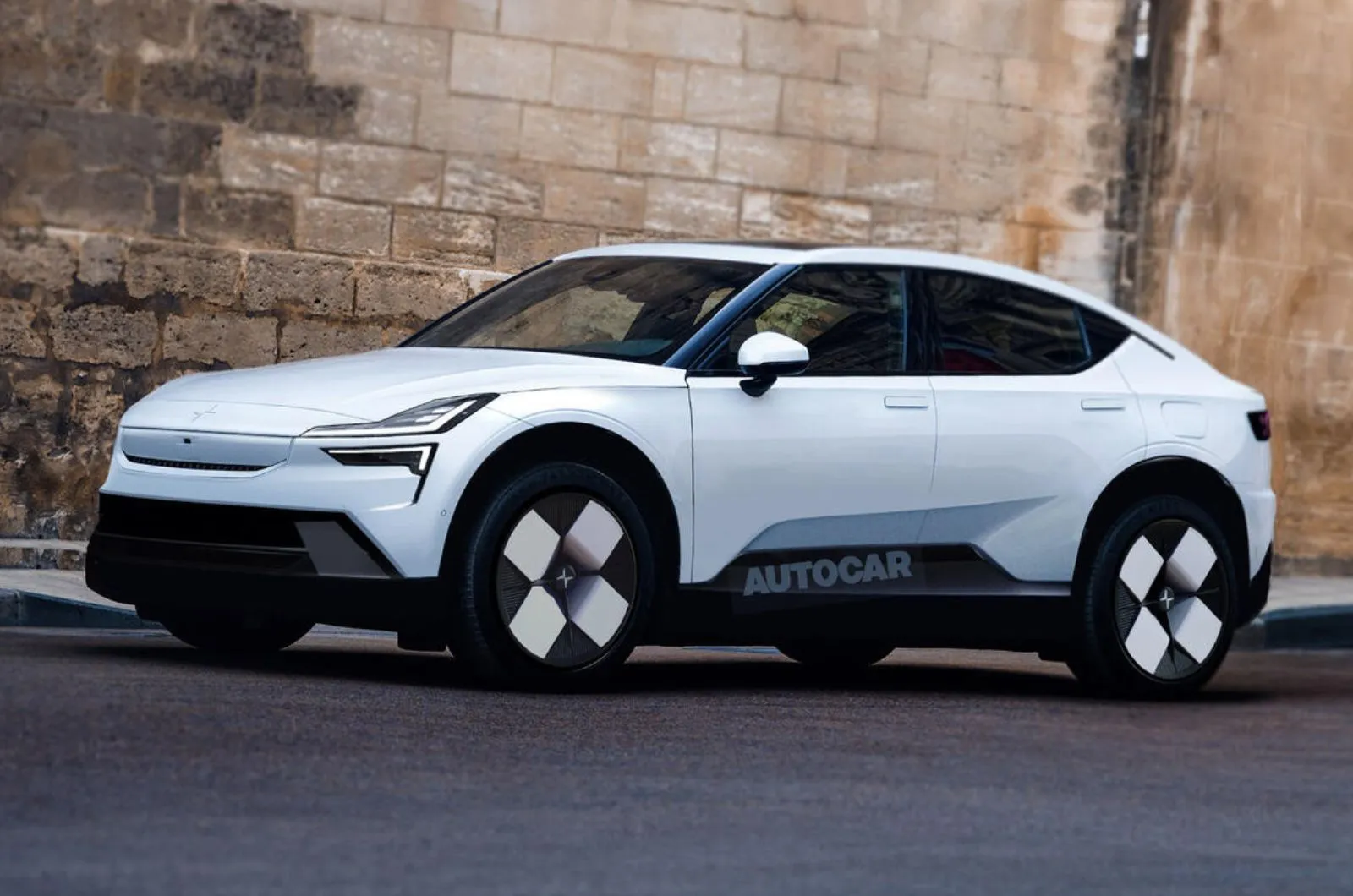
It might have the highest number in the Polestar range, but strangely, the Polestar 7 will be one of the brand’s smallest models. The first Polestar to be built in Europe, the 7 will share its underpinnings with the Volvo EX60, which is no bad thing given that that car can officially cover an impressive 503 miles between charges.
advertisement
scroll for more
Polestar is yet to share how powerful the 7 will be, but has promised that it’ll offer the driving experience that buyers expect from the brand. It’s also speculated that the 7 will be Polestar’s highest-volume seller to date, despite facing particularly competent rivals including the Audi Q4 e-tron and Tesla Model Y.
Read more: Polestar 7
Porsche K1
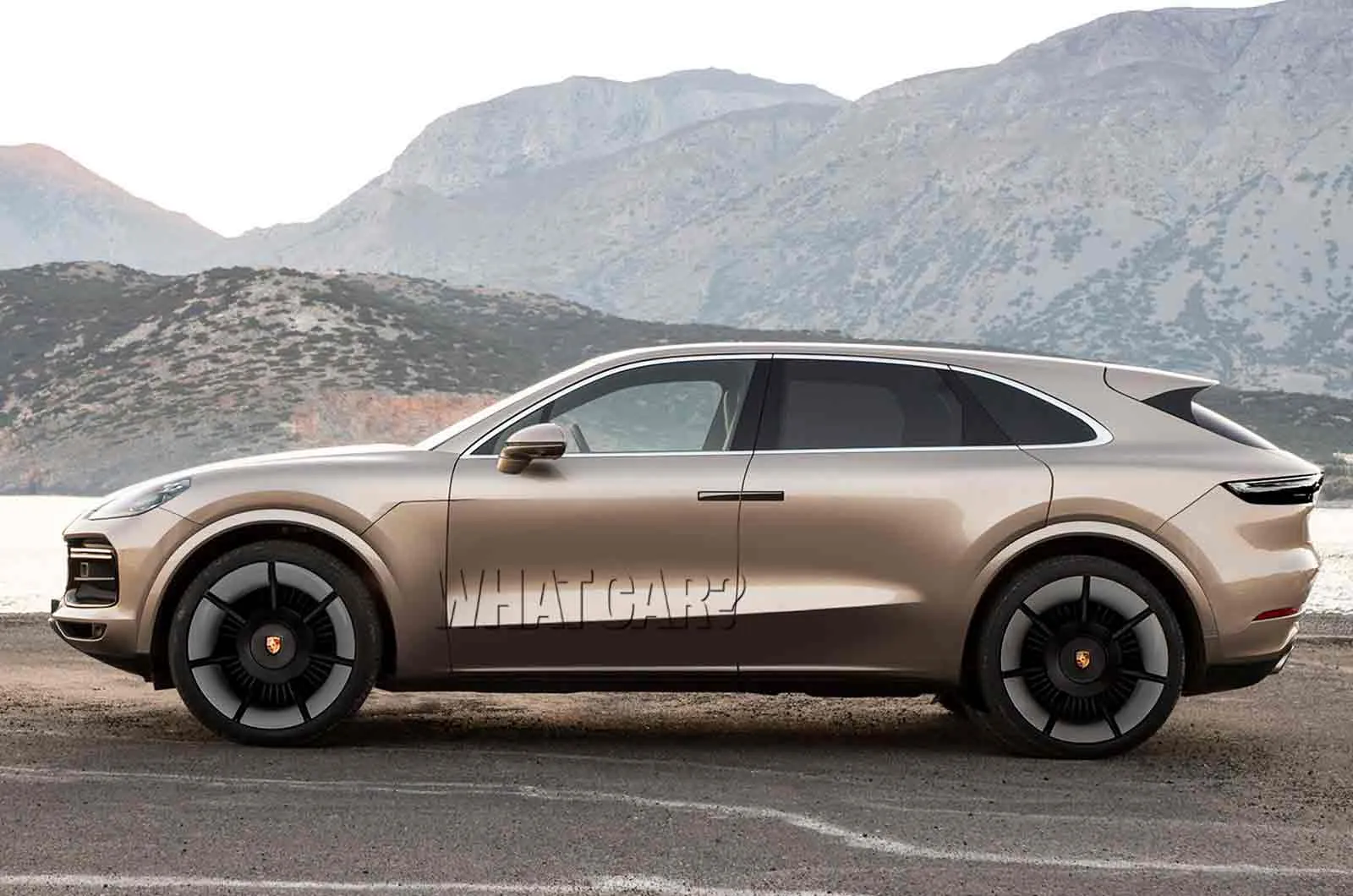
Expanding the brand’s lineup to be its flagship SUV offering, Porsche’s upcoming large SUV – codenamed the K1 – will rival the BMW X7 and Mercedes GLS. Featuring new underpinnings – which it shares with the upcoming Audi Q9 – the Porsche K1 was previously anticipated to be exclusively offered as an EV. However, a change in company strategy means it’s likely that the K1 will initially be offered with a 3.0-litre V6, a twin-turbocharged 4.0-litre V8 or a plug-in hybrid setup, with a fully-electric model set to be added to the lineup after launch. Nevertheless, exact performance details for any version of the K1 have yet to be revealed. Like the Q9, the K1 is expected to be offered with a range of seating configurations, including four-, five- and seven-seat options.
advertisement
scroll for more
Toyota Celica
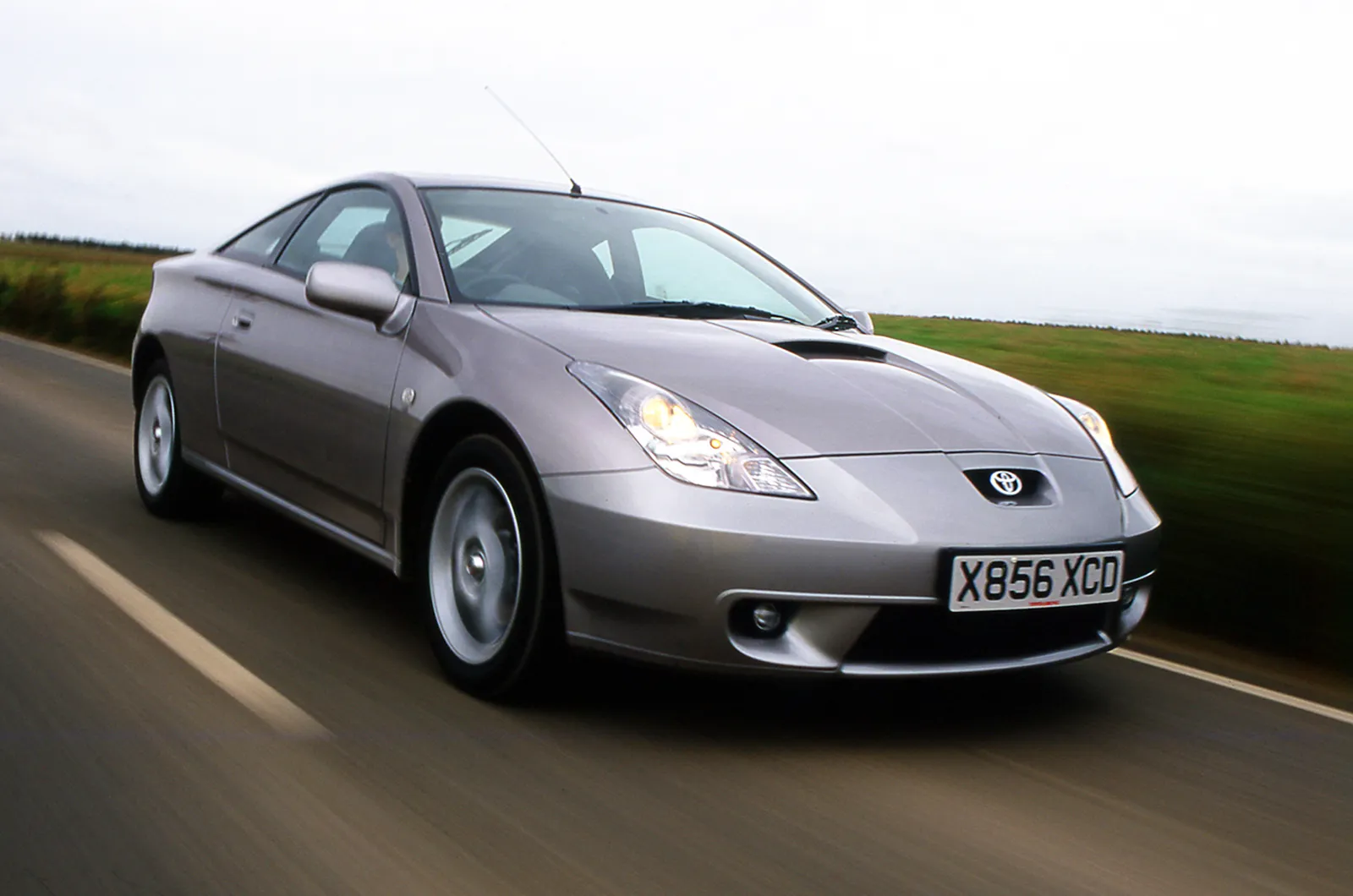
Part of the growing trend of reviving iconic names for the latest models, the Toyota Celica picks up where the last generation left off when it was taken off sale in 2006. A new Celica would use the company’s latest 2.0-litre turbocharged petrol engine, which is speculated to be offered with mild hybrid assistance or as part of a plug-in hybrid setup.
According to Toyota, it’ll be capable of producing up to 400bhp in road-going models, rising to 600bhp for track-based cars. While Toyota is yet to share performance details for the new Celica, a Toyota-branded coupé believed to be the upcoming Celica was spotted undergoing testing in Portugal, sparking speculation that it will compete in the 2027 World Rally Championship.
Toyota MR2
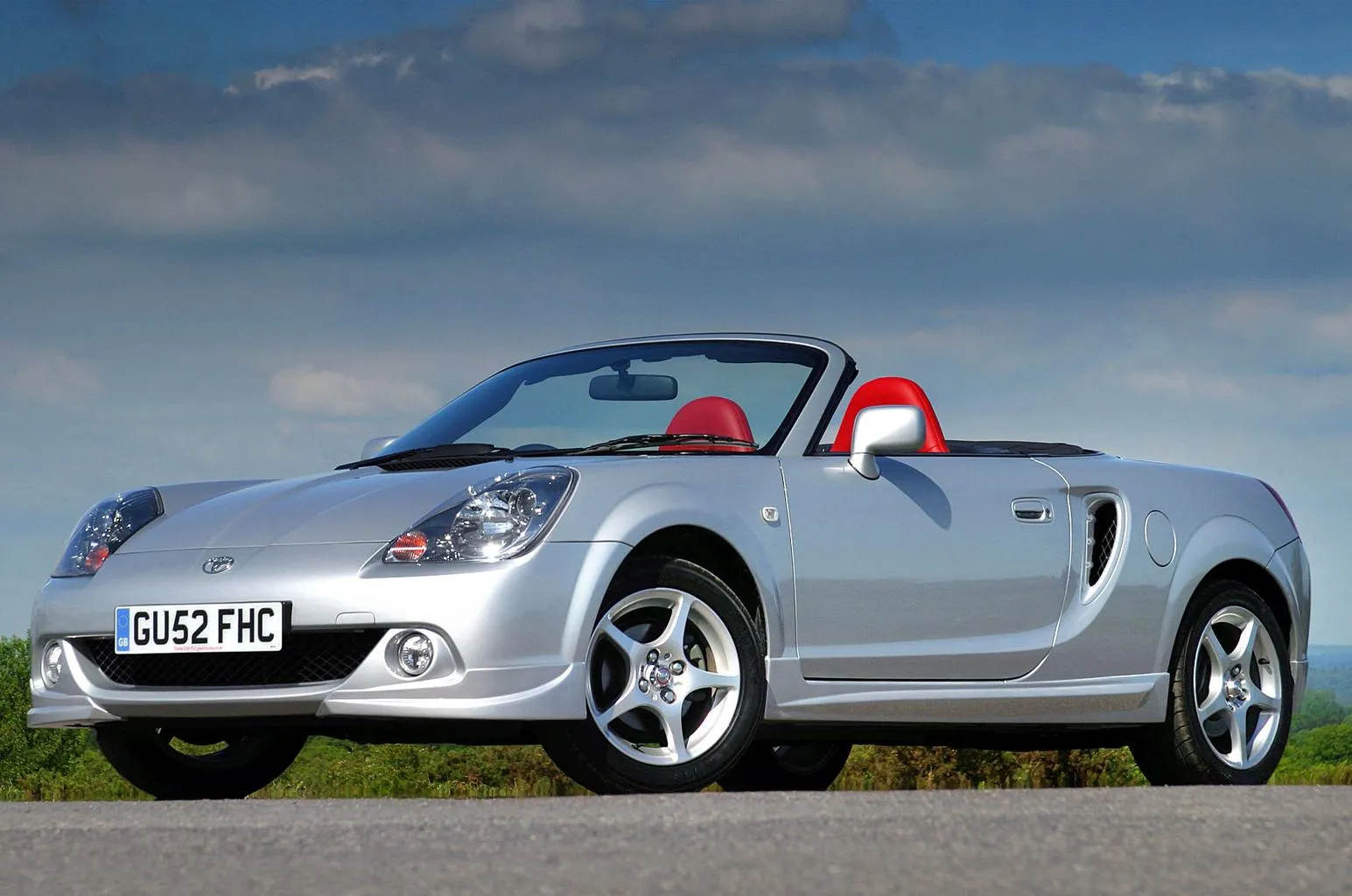
In addition to being the spiritual successor to the last generation – taken off sale in 2007 – the next Toyota MR2 will also fill the gap left by the Toyota GR86 and Toyota GR Supra. While Toyota has previously considered an electric MR2-sized sports car, the production version of this Mazda MX-5 rival will stick to the source material and use a mid-mounted petrol engine. This will likely be the same turbocharged 2.0-litre unit that will also be used in the larger upcoming Toyota Celica.
advertisement
scroll for more
Read more: 2026 Car of the Year Awards winners >>
For all the latest reviews, advice and new car deals, sign up to the What Car? newsletter here
Industry news
Buying a new car
News and advice
News
2027 Yangwang Altior: BYD goes after Rolls-Royce with new flagship electric saloon
Best of
Best used car deals of the week
News
Deal of the Day: Lease a Seat Arona from £167 per month
Sponsored
What Car? Reliability Survey: Most and least reliable executive cars
Feature
Polestar 4 long-term test
Sponsored