News
Diesel drivers face £400 fuel bill rise following Iran war
With the average price of diesel fuel set to hit £2.00 per litre in the coming days, What Car? reveals the impact on diesel car drivers
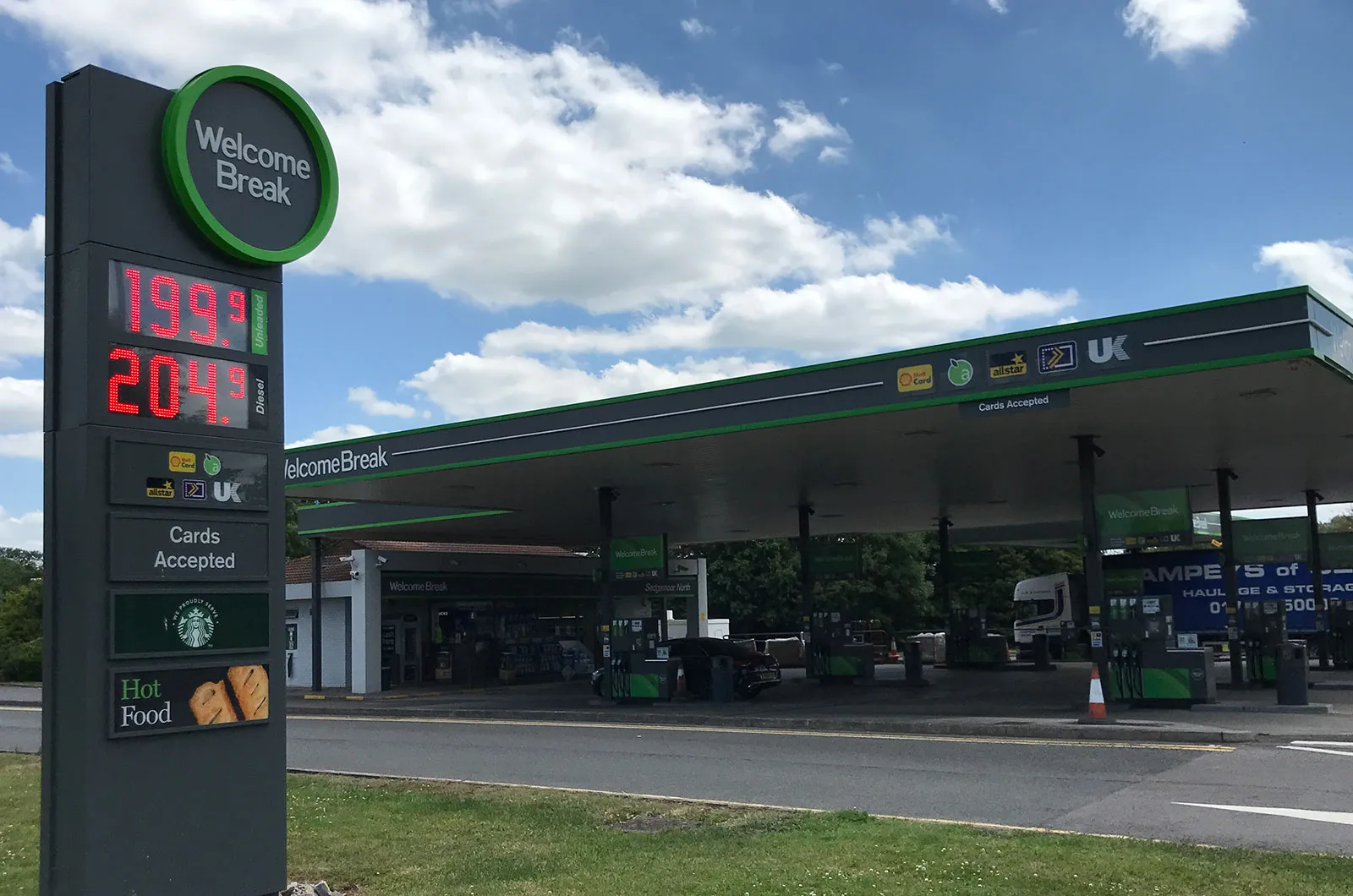
Diesel car drivers will pay on average £435 more to fill up their cars over the course of a typical 8000-mile year if the cost of diesel rises to £2.00 per litre compared with before the outbreak of the Iran war, research by What Car? has found.
advertisement
scroll for more
With the average price of diesel across the UK currently at 199.18p per litre according to watchdog the RAC, and set to rise further in the coming days, What Car? has tracked the cost of filling up a spectrum of 10 diesel-powered cars over varying mileages.
The cars chosen are all available with diesel engines and represent some of the most popular choices for high-mileage drivers. They include the Skoda Octavia family car, the Audi A5 and Mercedes C-Class executive saloons, and the BMW X7 and Mazda CX-80 SUVs.
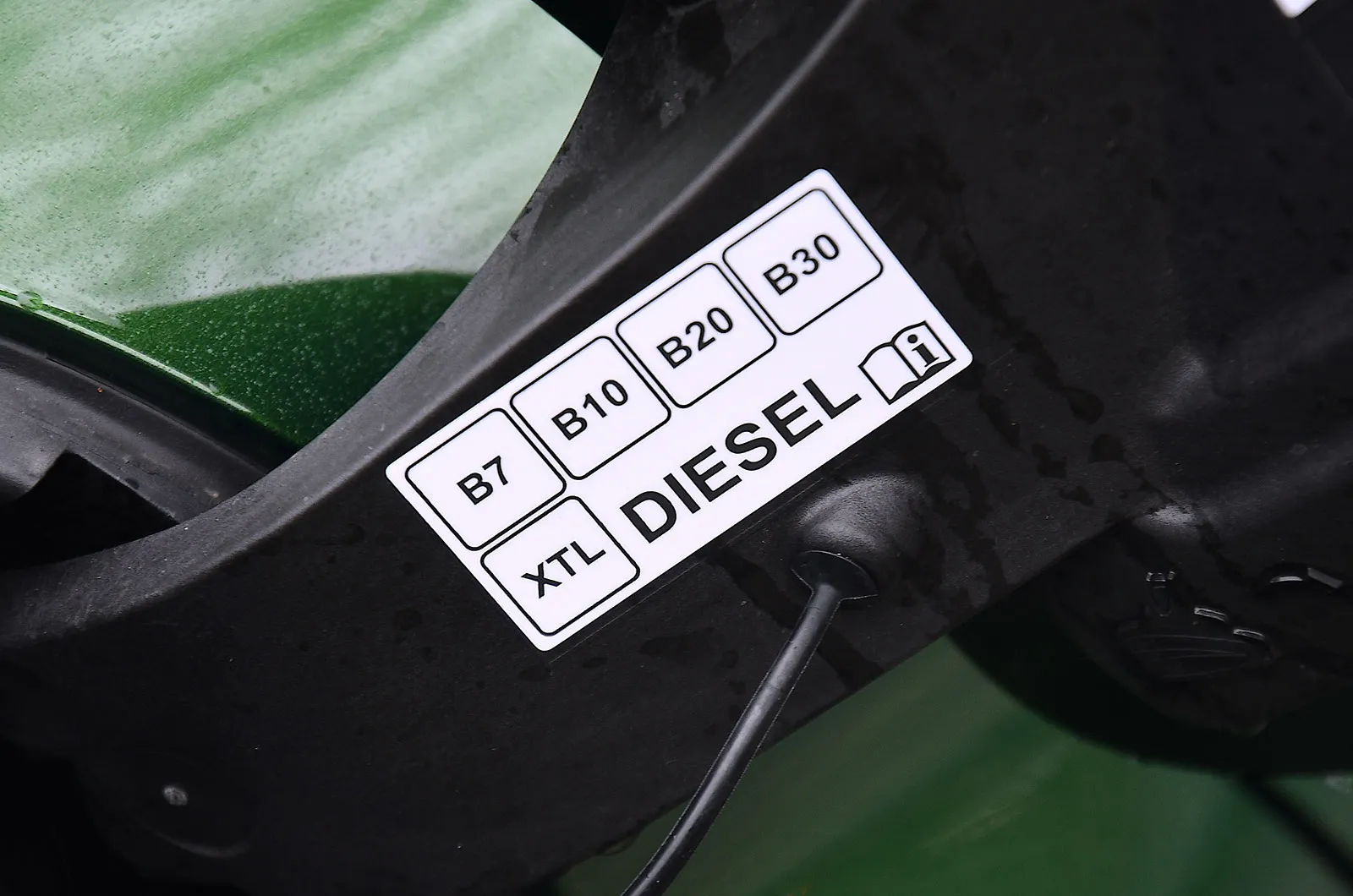
Some of the cars chosen include mild hybrid technology, which is designed to further boost fuel economy without needing to be plugged in.
What Car? noted each car’s official combined WLTP fuel economy figure, and extrapolated out the cost of covering 5000, 8000, 10,000, 15,000 and 20,000 miles with diesel at its average price per litre before the outbreak of the conflict, at its current price and at £2 per litre.

Darren Moss
Updated: 24 September 2026
Car reviews
Cupra Terramar
Audi A2 e-tron
Honda HR-V
View all new car reviews
Make and modelWhat Car? ratingWLTP combined economy****Cost / 8000 miles (@199.18p)PCP dealsLeasing dealsAudi A5 2.0 TDI 204ps457.6mpg£1258Best PCP dealsBest leasing dealsBMW X7 40d MHT534.9mpg£2076Best PCP dealsBest leasing dealsKia Sorento 2.2 CRDi443.4mpg£1669Best PCP dealsBest leasing dealsLand Rover Defender 110 D250433.5mpg£2162Best PCP dealsBest leasing dealsMazda CX-80 3.3 e-SkyActiv D MHEV349.6mpg£1460Best PCP dealsBest leasing dealsMercedes C-Class C220d mHEV462.8mpg£1153Best PCP dealsNASkoda Kodiaq 2.0 TDI 150ps453.3mpg£1359Best PCP dealsBest leasing dealsSkoda Octavia 2.0 TDI 150ps565.7mpg£1103Best PCP dealsBest leasing dealsSkoda Superb 2.0 TDI 150ps456.5mpg£1282Best PCP dealsBest leasing deals
advertisement
scroll for more
At its current average price of 199.18p per litre, the cost of running a typical diesel car over 8000 miles is £1502. That’s already £428 more expensive on average than costs before the Iran war, when the average price of diesel was 142.38p per litre. That figure was recorded on 28 February – the date when the conflict began.
If the average price of diesel rises to £2.00 per litre, the cost to run a diesel car over 8000 miles will rise to £1509.
For drivers travelling further afield, the difference is even more stark. At an average annual mileage of 20,000 miles, the average cost of running a diesel car will rise to £3772 – £42 more expensive than it is today, and £1087 more expensive than it would have been prior to the Iran war.
The price of diesel is on average 54.5p per litre more expensive than it was prior to the conflict.
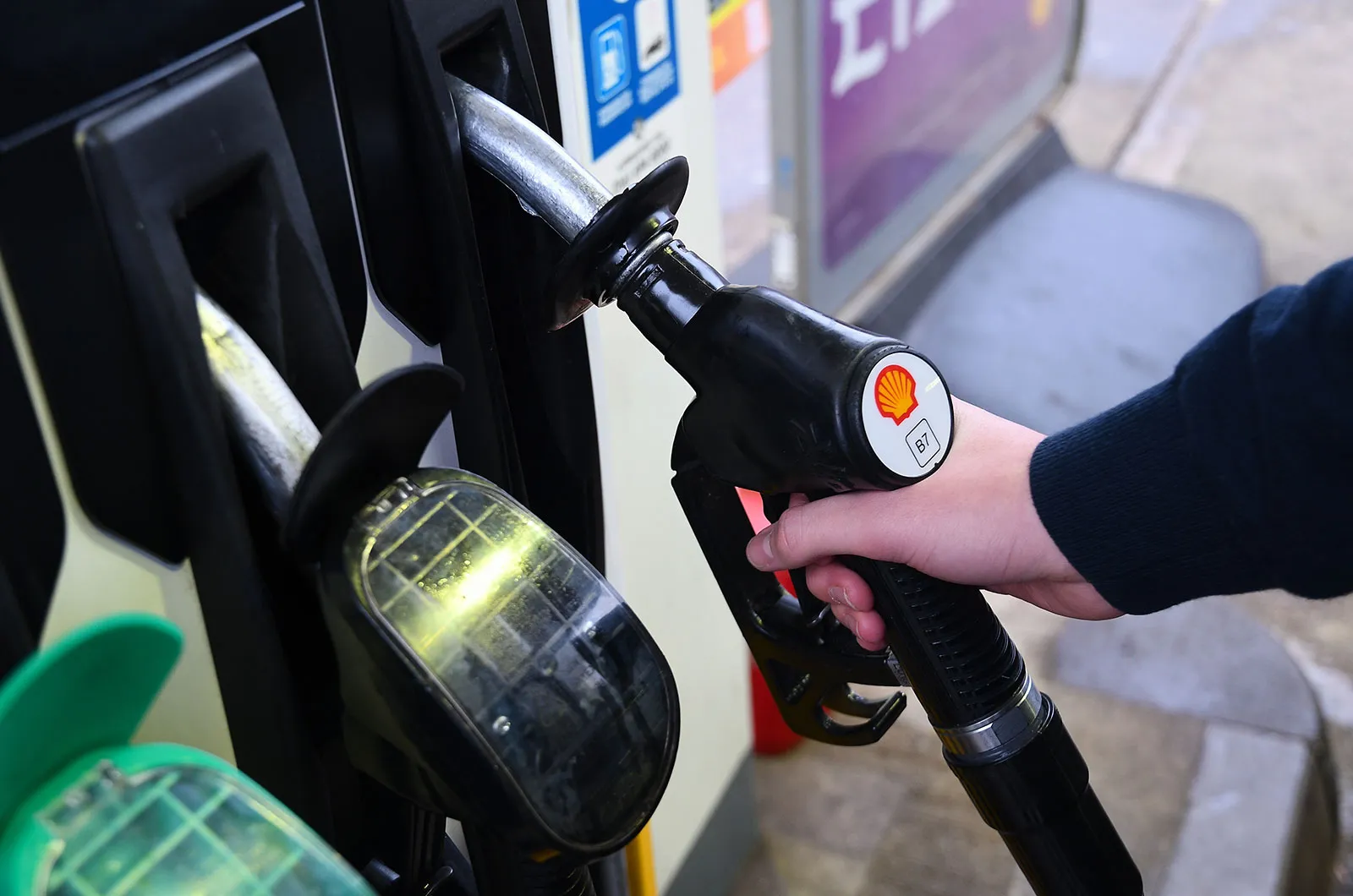
Some fuel retailers have already breached the £2 per litre threshold, with comparison site PetrolPrices reporting that 236 fuel stations are already selling diesel above this price, with a further 633 fuel stations pricing diesel at £1.99 per litre. Together, those stations make up around 10% of the forecourt network.
advertisement
scroll for more
Diesel remains a viable fuel choice for drivers who often travel large distances, and who can't charge up an electric car at home. In such circumstances, diesel-powered cars can often be more economical than purely petrol-powered equivalents. What Car?’s own fuel comparison tool helps drivers to choose the fuel which best suits their needs.
Avg. price per litre of dieselAvg. cost / 5k milesAvg. cost / 8k milesAvg. cost / 10k milesAvg. cost / 15k miles****Avg. cost / 20k miles142.38 (pre-Iran war)£671£1074£1343£2013£2685199.18 (current average)£939£1502£1878£2817£3756200.00£943£1509£1886£2829£3772
The price rise will be felt most heavily by the UK’s heavy haulage sector, with one truck operator telling our sister title, Autocar, that the cost of fuelling their 80-strong fleet of HGVs was now around £20,000 more expensive per week than it had been prior to the Iran war.
While the average price of petrol has risen more than 30% since the start of the conflict, leading to an average price today of 174.13p per litre, it’s not expected to breach the £2 per litre mark.
advertisement
scroll for more
The cost of petrol and diesel in the UK is linked heavily to the global price of oil, the supply of which has been severely impacted by the ongoing conflict in Iran. And while prices are expected to stabilise soon, the US Energy Information Administration has already warned that US oil supply is likely to remain below the five-year low into 2027. The US is one of the world’s biggest suppliers of oil.
How can I save money on fuel?
With prices rising for both petrol and diesel car drivers, plenty of motorists will be looking to squeeze every extra mile from each gallon of fuel. Our tips below provide a good starting point to drive more efficiently, but if you're currently shopping for the most efficient petrol cars on sale, you can learn more about them in our dedicated feature.
Keep moving
Cars use the most fuel when getting up to speed or pulling away from a standstill, so try to anticipate what's ahead of you. That means keeping a good distance from the traffic in front, so that you can brake and accelerate less. And when you do accelerate away from a standing start, do so gently – this puts less strain on your car's engine.
advertisement
scroll for more
Change gear sooner
If your car has a manual gearbox – or you an change gears using paddles on the steering wheel in an automatic – try changing up to the next gear as quickly as possible. This lets the engine use fewer revs, which makes it more efficient. Don't do this too early, however, because doing so means your engine will need to work harder to keep going.
Many modern cars can automatically shut down several of their fuel injectors to coast when you're in-gear, so staying in a selected gear for longer, especially when you're slowing down, uses less fuel.
Curb your speed
It's estimated that doing 90mph on the motorway uses 50% more fuel than if you were doing 60mph. Aside from the fact that doing more than 70mph is illegal on UK motorways, it also means your car is having to work harder. So stick to the speed limit and enjoy more bang for your buck.
Reduce idling time
Most modern cars have an automatic stop-start system which will shut off the engine when you come to a stop, such as at a junction or a set of traffic lights. If your car doesn't have this, you can do so yourself if you're going to be stationary for more than a few minutes. This isn't advisable if your car has an older, tired battery, though.
advertisement
scroll for more
Consider going green
Hybrid, plug-in hybrid and electric cars slash your running costs compared with running solely on petrol or diesel power, because they subsitute that – partially or wholly – with electricity. If you can charge at home, an electric car makes especially good sense. If you can't, it's worth looking into whether a hybrid car might suit you instead.
For all the latest reviews, advice and new car deals, sign up to the What Car? newsletter here
Read more: See which fuel works best for you >>
News and advice
News
Complete the What Car? EV charging survey
News
New Geely Monjaro plug-in hybrid SUV to arrive in 2027 with 105-mile EV range
Best of
Best GT cars: the grand tourers to buy in 2026 - plus the one to avoid
News
Cupra Born long-term test
Best of
Best automatic cars 2026 – the best autos to buy right now
What Car? Promotion