
Used Range Rover Sport 2013-2022 review
The Range Rover Sport is plush and refined, and luxurious inside. Used prices look good, too. A mixed reliability record has improved in recent years.




See used cars for sale
5-Star
Luxury SUV
Jump to:
What's the used Land Rover Range Rover Sport like?
Ownership cost
Our recommendations
Alternatives
Reliability


George Hill & Mark Pearson
Updated: 5 August 2026
How we test cars
What's the used Land Rover Range Rover Sport like?
The first Range Rover Sport gained a bit of an unfortunate reputation, not only for the type of person who bought it but also for the rather agricultural Land Rover Discovery chassis that the car rode on. Many thought the moniker ‘Sport’ was sadly misplaced and some of the traditional Range Rover values debased.
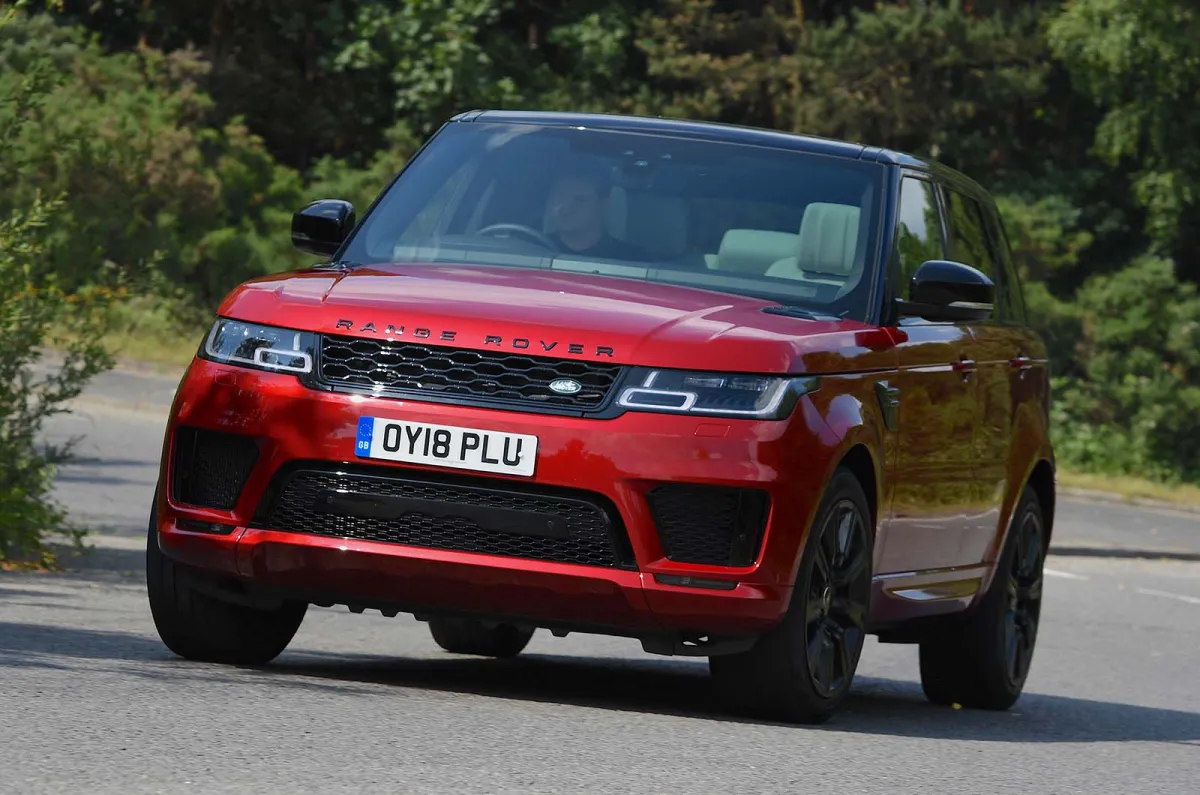
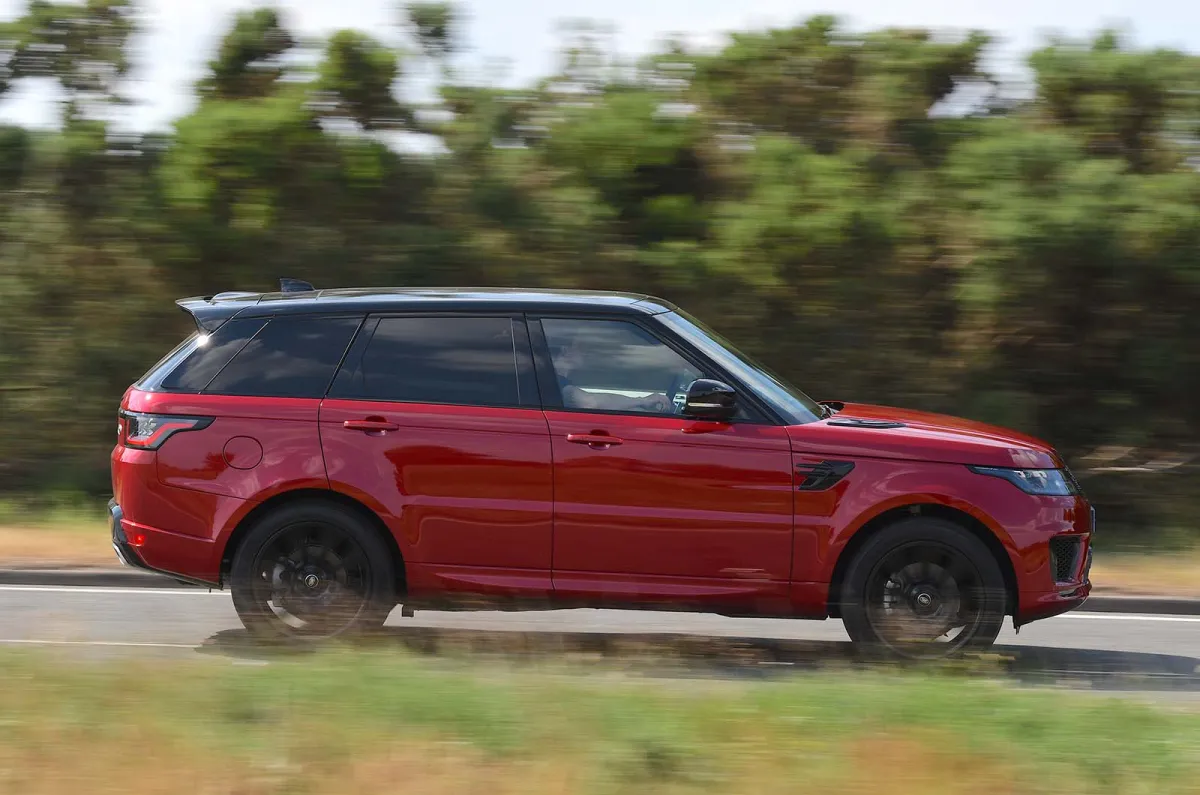
This 2013 to 2022 second-generation version was a completely new car, however, and it rode on the same up-to-date underpinnings as the contemporary 2013-2022 Range Rover, although the Sport variant was smaller, lighter and lower.
Overview
The Range Rover Sport is a luxurious SUV that combines refinement with a range of powerful engines, including diesel and petrol options. While it offers impressive comfort and a premium interior, its reliability record has been poor over the years, making it less appealing as a used buy compared with its rivals. However, our most recent reliability survey scores it highly.
Pros
- Smooth ride, even on rough road surfaces
- Luxurious interior with high-quality materials
- Powerful engine options, including hybrids
Cons
- High running and maintenance costs
- Reliability in the past has been a bit mixed
- Limited rear seat space for middle passengers
Used cars available now
In partnership with
Land Rover Range Rover Sport
2.7 TD V6 HSE Station Wagon 5dr
£1,500
Land Rover Range Rover Sport
3.6 TD V8 HSE Station Wagon 5dr
£1,650
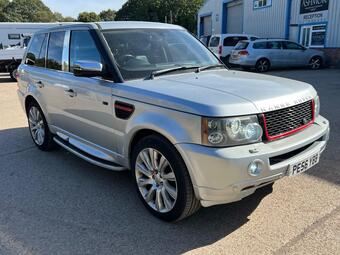
Land Rover Range Rover Sport
2.7 TD V6 HSE Station Wagon 5dr
£1,951
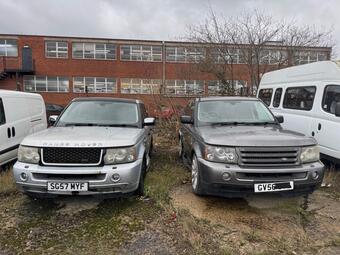
Land Rover Range Rover Sport
2.7 TD V6 SE Station Wagon 5dr
£2,000
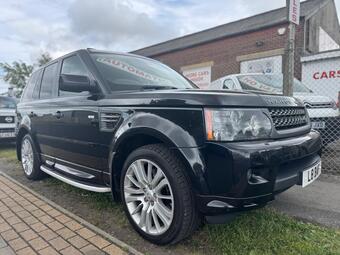
Land Rover Range Rover Sport
3.0 TD V6 HSE CommandShift 4WD Euro 4 5dr
£2,000
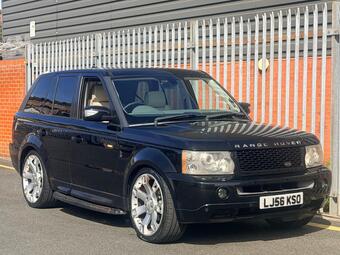
Land Rover Range Rover Sport
2.7 TD V6 HSE Station Wagon 5dr
£2,395
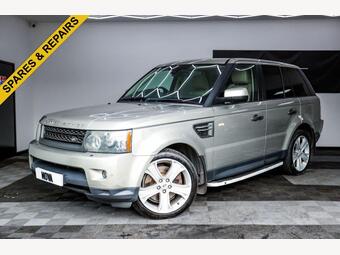
Land Rover RANGE ROVER SPORT
3.0 TD V6 HSE CommandShift 4WD Euro 4 5dr
£2,799
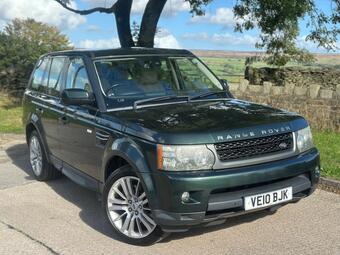
Land Rover Range Rover Sport
3.0 TD V6 HSE CommandShift 4WD Euro 4 5dr
£2,980
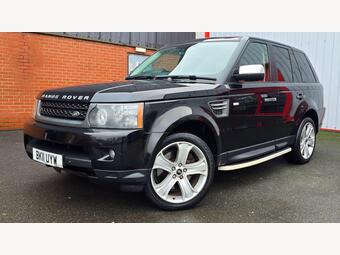
Land Rover Range Rover Sport
3.0 TD V6 HSE CommandShift 4WD Euro 5 5dr
£2,995
See all available cars
See used cars for sale
Much use was made of aluminium in both cars, and the Sport, despite not being a lightweight, was now competitive with its rivals in this regard, despite its obvious opulence.
Engines and performance: The engine range initially kicked off with an entry-level 236bhp 2.0-litre four-cylinder diesel. This was followed by the 302bhp 3.0-litre SDV6, while completing the diesel range was the venerable 4.4-litre SDV8. The petrol engine option consisted of two supercharged units, a 335bhp 3.0-litre V6 and a 5.0-litre V8 in two power outputs – 503bhp and 542bhp in the mega-swift SVR version. Later models added a 2.0-litre four-cylinder petrol, known as the P300 or, if attached to a battery pack and an electric motor to make it a hybrid, the P400e, and the entry-level 2.0 diesel was dropped. There are also a pair of mild-hybrid six-cylinder engines available, the P400 petrol and D300 diesel, which were added to the line-up in 2020. Both produce 395bhp and 296bhp respectively.
advertisment
scroll for more
Ride and handling: It’s the diesel engines that are the most popular in the Range Rover Sport, since they provide the best combination of performance and reasonable fuel economy. The 2.0 is refined enough, but not quick. The SDV6 has plenty of low-rev shove, helping to mask the car’s mass. However, rivals such as the Audi Q7 3.0 TDI 272 and BMW X5 40d are still that little bit faster. If you can afford it, the SDV8 provides the car with effortless pace and acceptable running costs.
As far as the petrols go, the 2.0-litre models are surprisingly swift, and of course the 3.0 V6 propels the Range Rover Sport down the road fairly swiftly. However, you need to rev it harder than the diesels and it’s too thirsty to recommend. The 503bhp 5.0 supercharged V8 delivers plenty of performance and noise, making the Range Rover Sport something of a super-luxury SUV dragster. Fuel bills are, as you’d expect, scary.
Fuel bills are marginally more manageable in the hybrid versions, if it fits your lifestyle. The P400e is good to drive and swift, and the P400 is too, albeit its mild-hybrid system is one that only helps out the existing engine, rather than offering the ability to run separately on electric power alone, or together with the conventional engine, like the P400e.
advertisment
scroll for more
The SVR model is the full-house, go-faster model. It’s thunderously powerful, noisy and exciting, but with sufficiently good manners to soothe the miles away when required.
All Range Rover Sports offer an excellent blend of stability and relative agility. It isn’t the most athletic SUV of its kind, nor is it one that feels smaller than it actually is, and some rivals also offer more grip and tighter body control. However, it’s an easy car to drive along a twisty road – and you can’t say that of all Range Rovers.
There’s good news in the ride department, too; most versions of the Range Rover Sport offer exemplary ride comfort. Particularly impressive suppleness at high speed makes this a superb car to drive on a long journey. The best-riding cars are at the bottom of the range – those on standard 20in wheels.
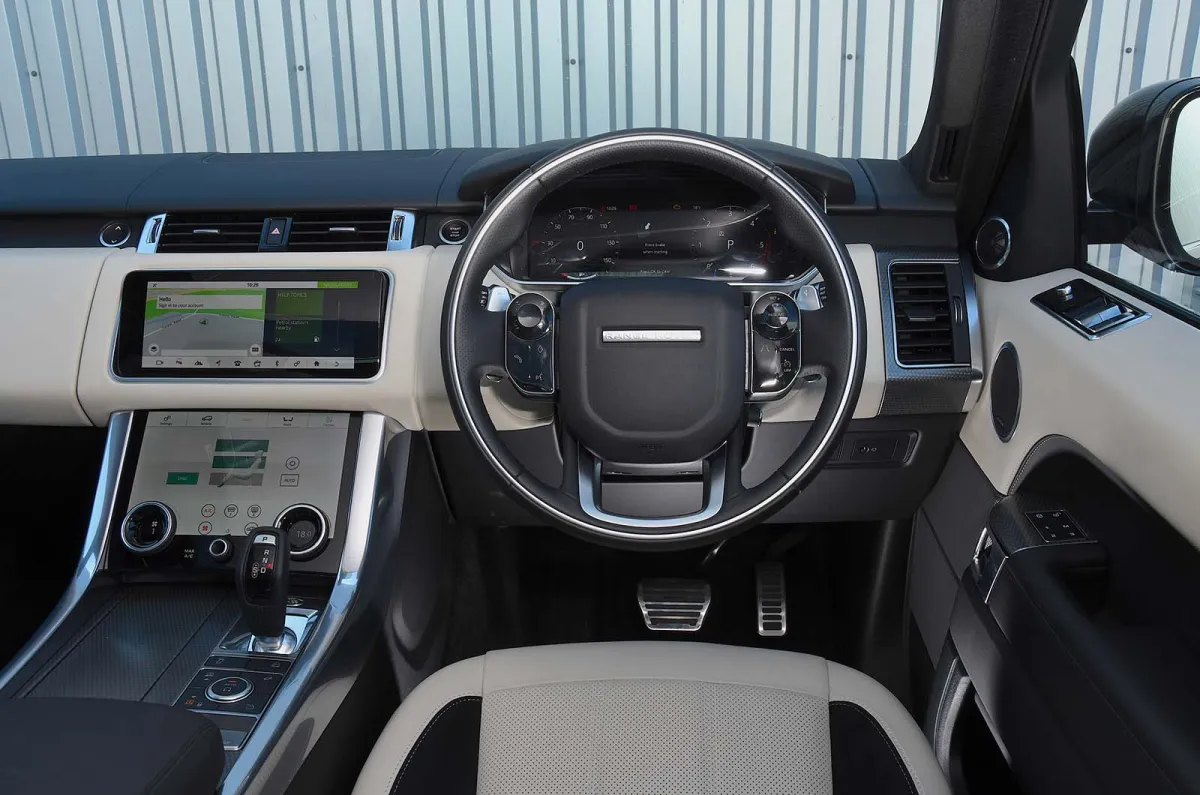
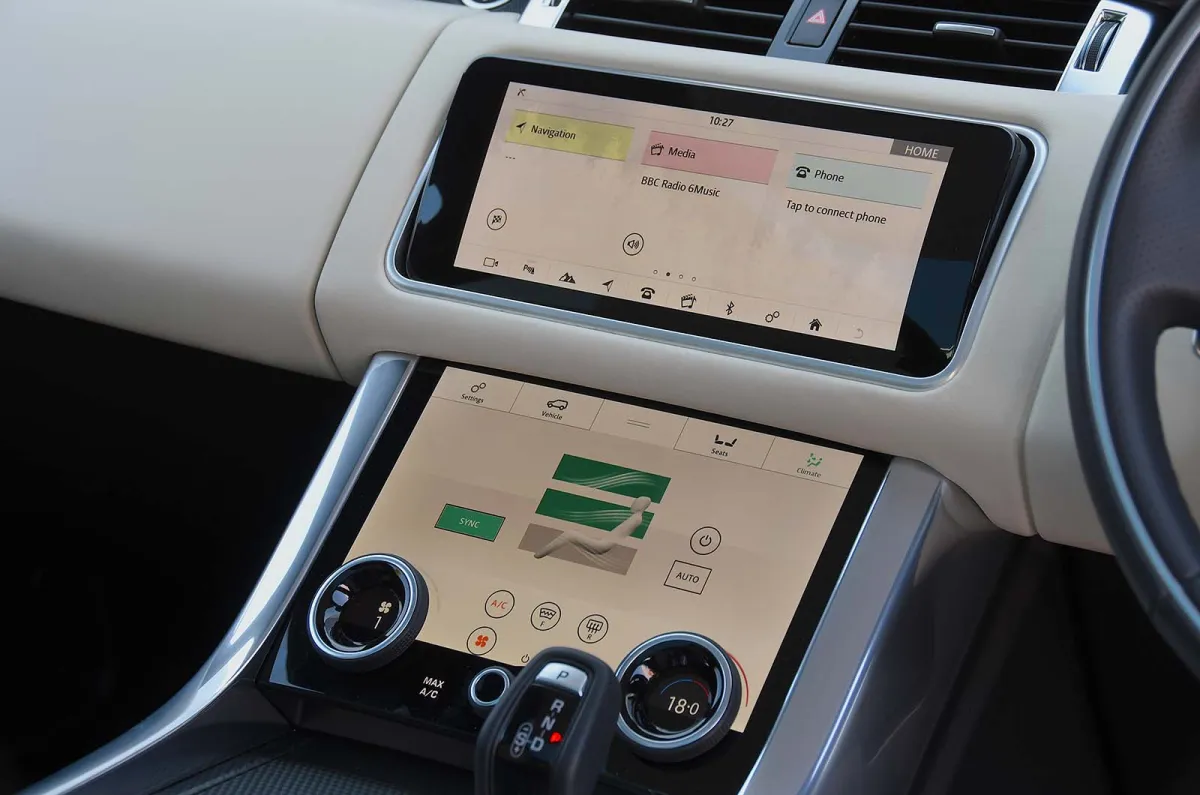
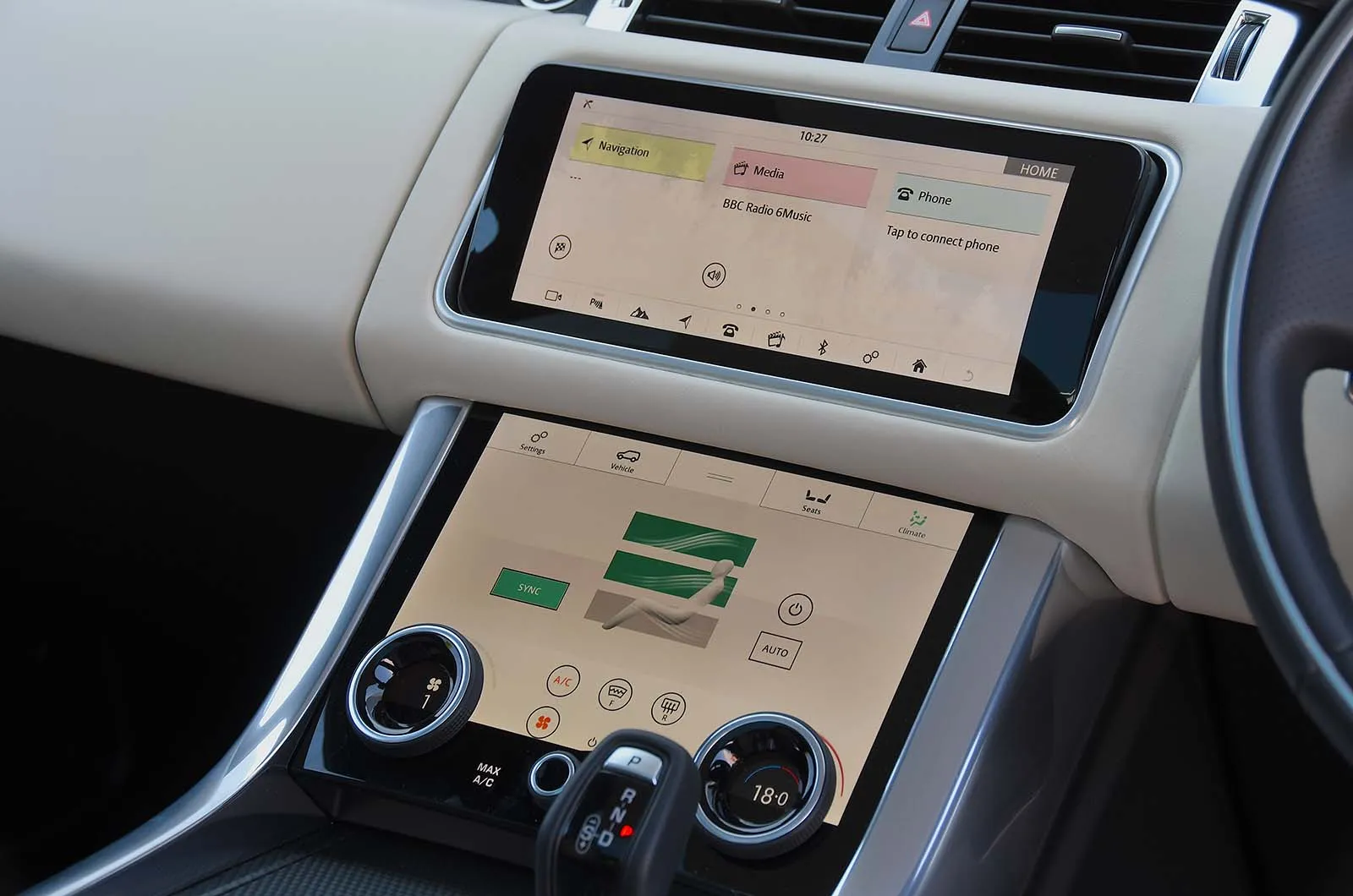
Interior and practicality: Inside, there’s an incredibly comfortable driver's seat and an excellent and commanding driving position; visibility is excellent. All Range Rover Sports get a pair of 10.0in touchscreens, one at the top of the dashboard and the other below it, just in front of the gear selector. This second screen is the one that you use to access the air conditioning and off-road modes, but you can also operate the multimedia system through it while the main screen displays the navigation.
advertisment
scroll for more
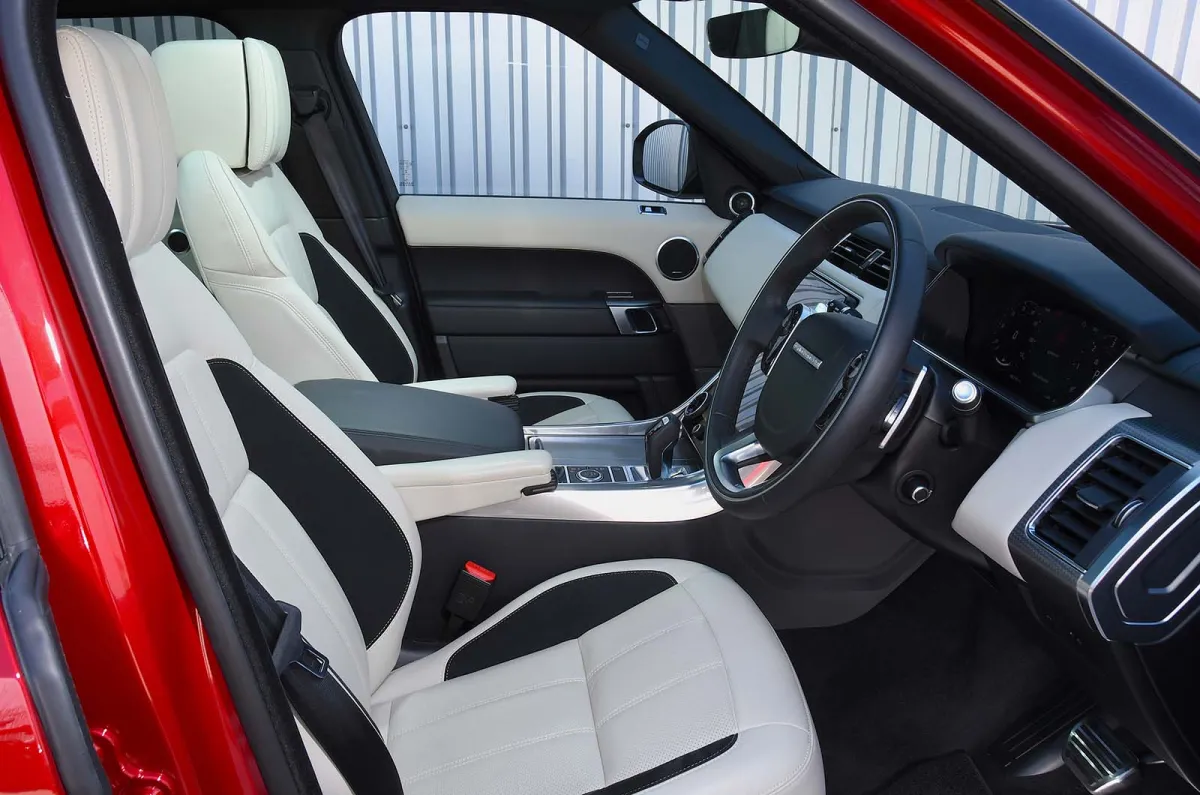
The fit and finish of the interior is exceptionally high, with good use of soft-touch materials and plenty of leather, although one or two of the switches seem a little tackier to the touch.
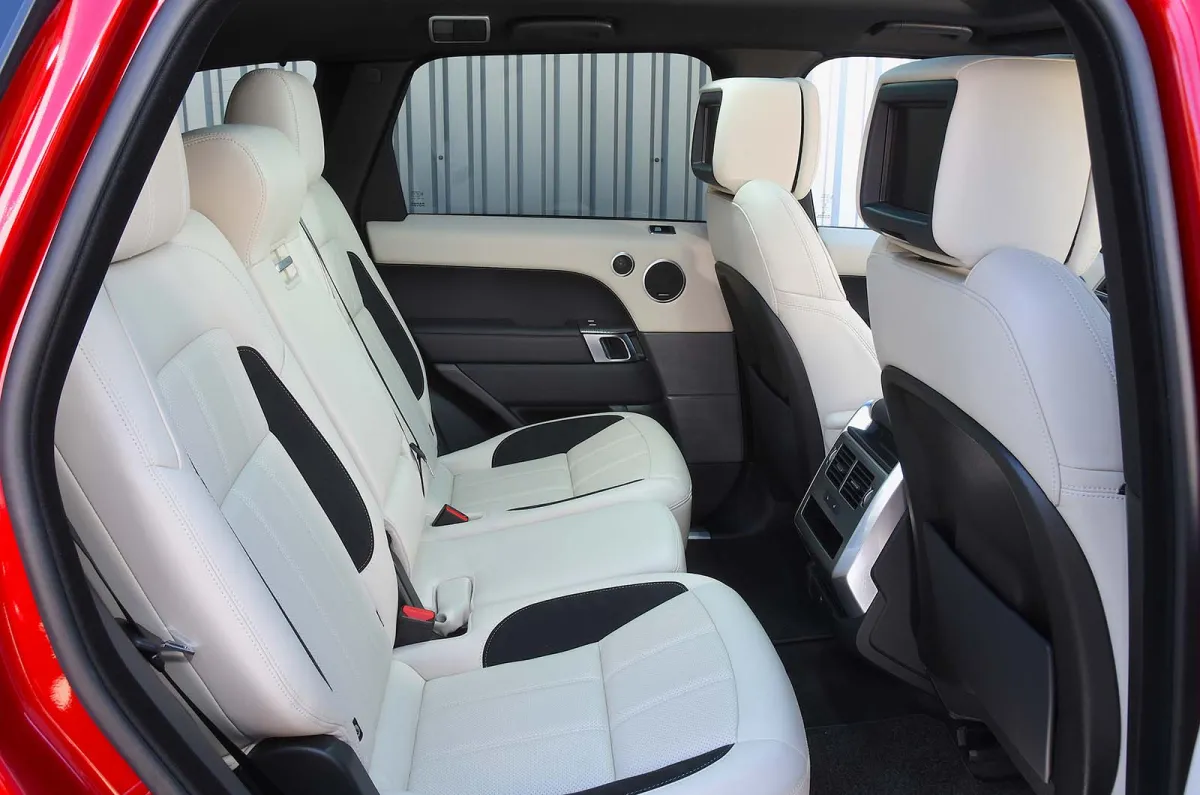
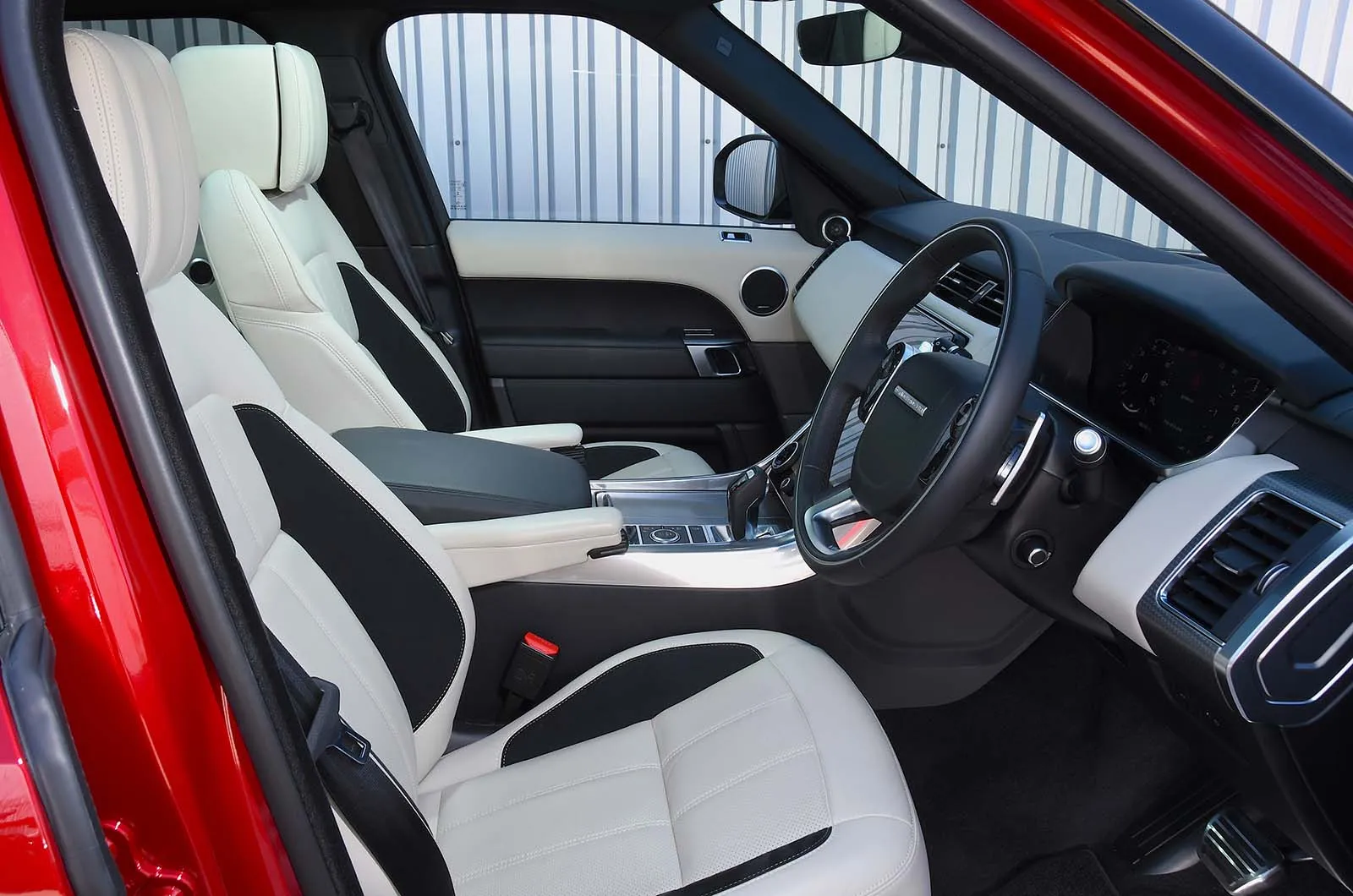
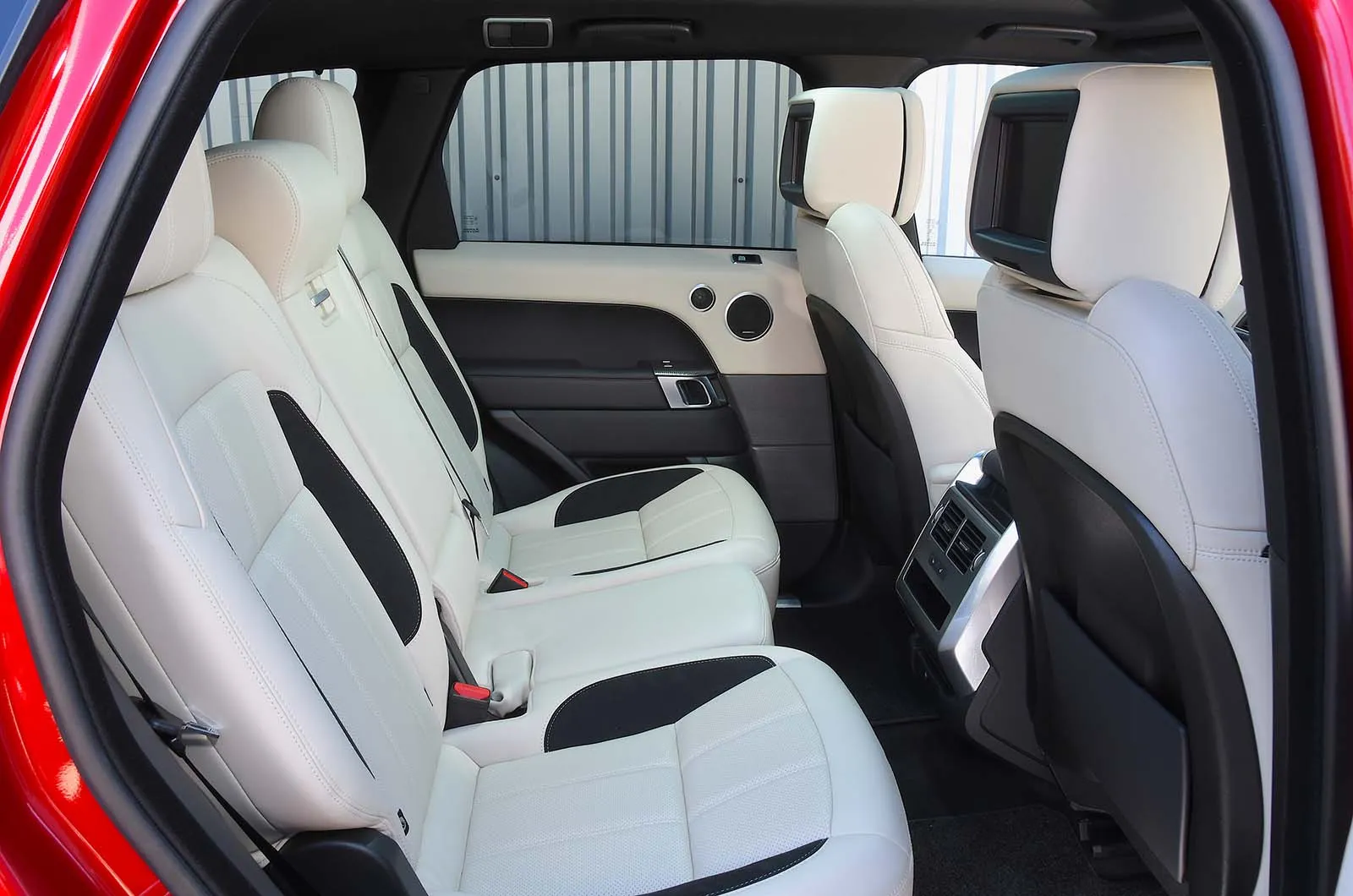
The Range Rover Sport is not short of space, either front or rear. The only person who might complain is the passenger in the middle rear seat, because the two outer ones are quite sculpted. The car also has a third row, with two flip-up seats in the boot, although these are difficult to access and tight for space. They’re best suited to children or small adults.
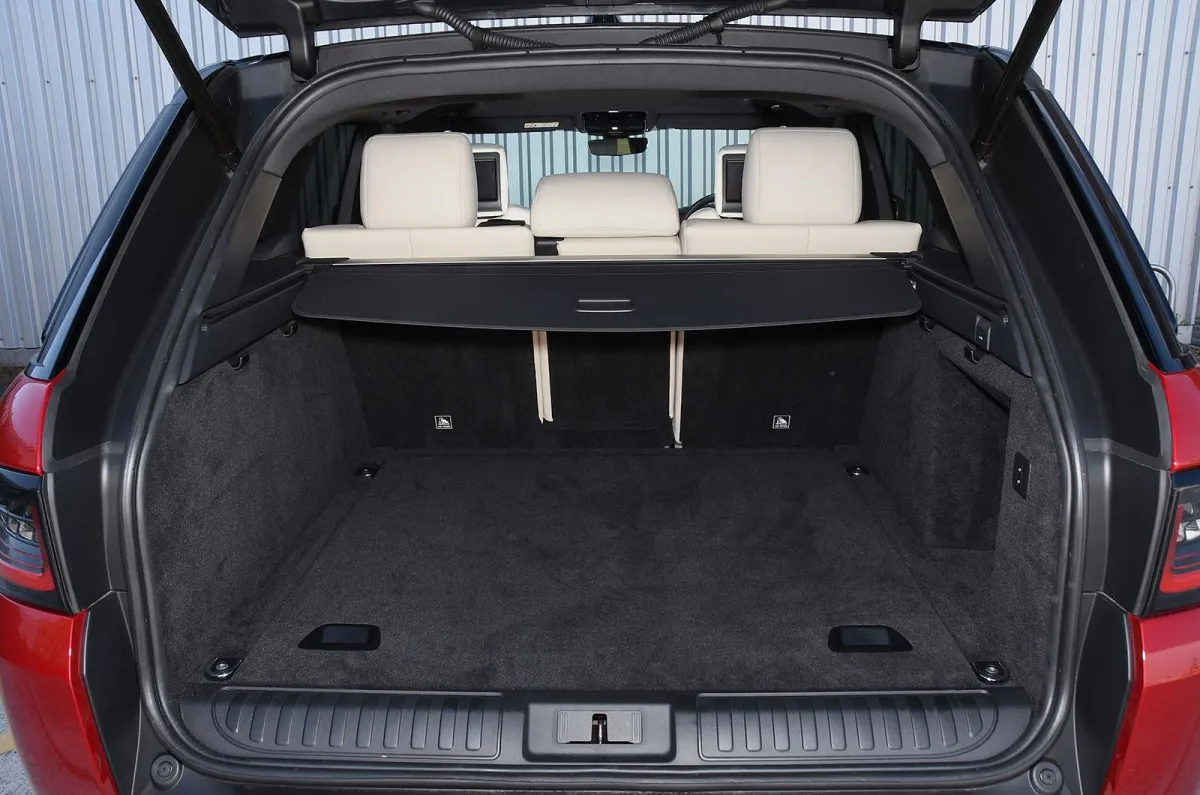
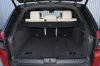
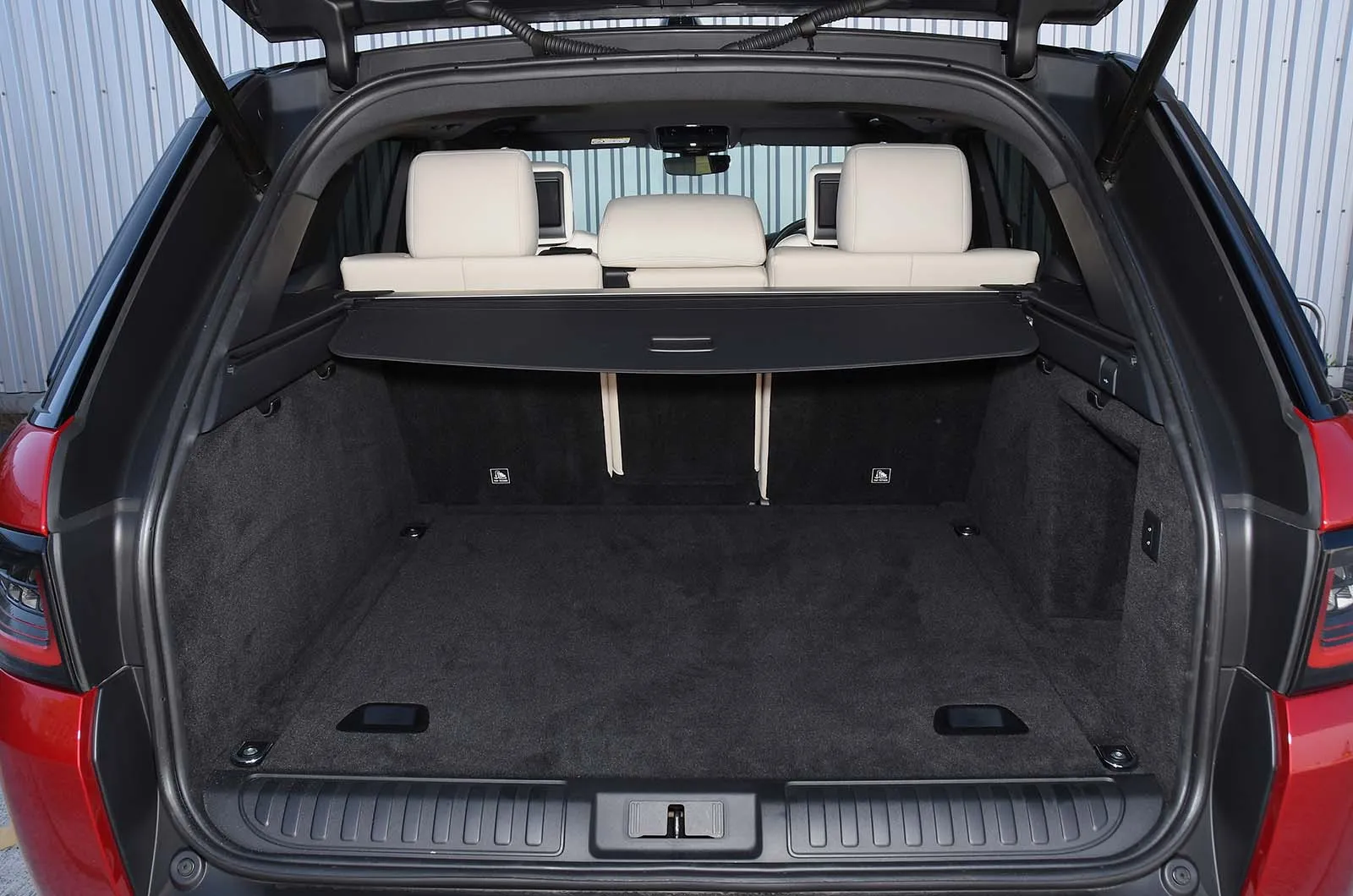
With these seats folded away, the boot is large, wide and fairly tall, and easy to get things in and out of. Dropping the rear seats can be done electrically.
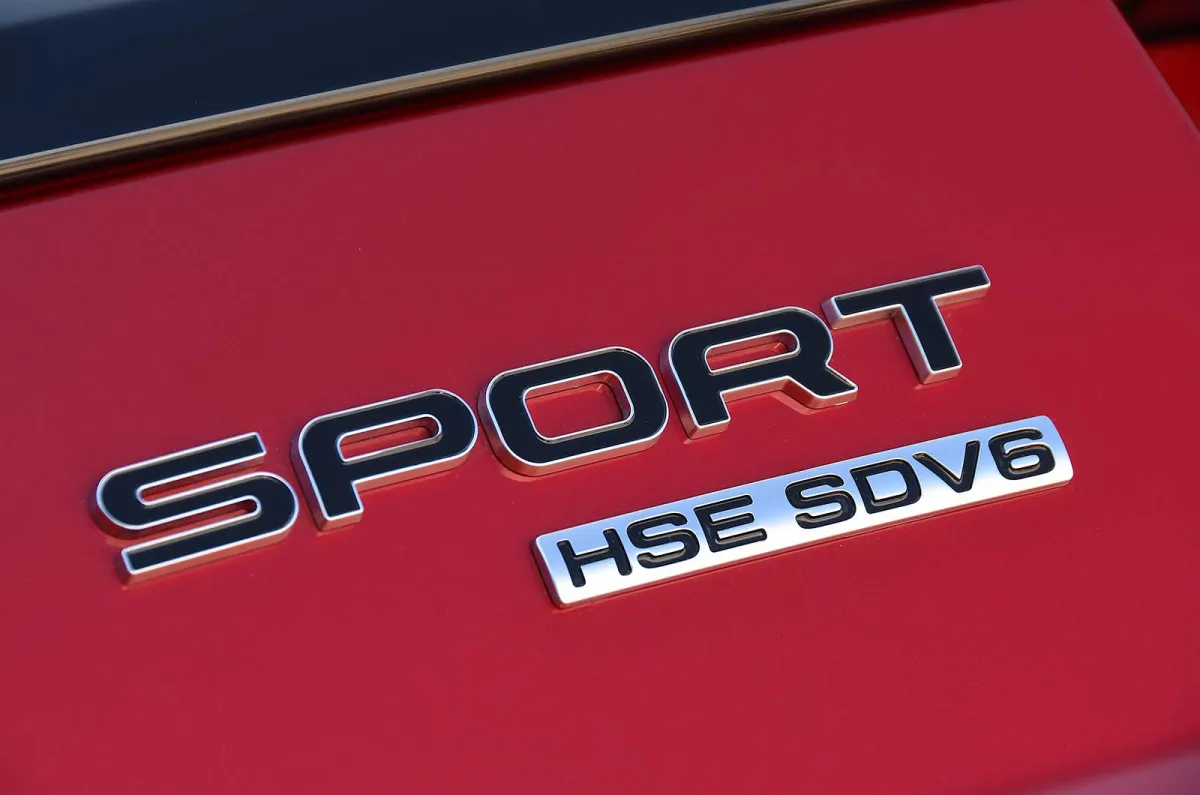
Trims and equipment: There are four trims to choose from: HSE, HSE Dynamic, Autobiography Dynamic and the rabid SVR. Entry-level models come with 20in alloy wheels, xenon headlights, keyless entry, front foglights and a reversing camera as standard, while inside there is perforated leather upholstery, heated seats all round, lane departure warning and Jaguar Land Rover's InControl infotainment system complete with sat-nav.
advertisment
scroll for more
Upgrade to HSE Dynamic and the car gains red Brembo brakes, a twin-speed transfer box, JLR's all-terrain mode, lots of gloss black exterior mouldings and 21in alloy wheels, while Autobiography Dynamic adds a panoramic roof, ventilated seats, a 19-speaker Meridian audio system, a heated steering wheel, adaptive cruise control, blindspot monitoring and a 360deg camera system.
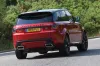
Range-topping SVR not only gets the rapid 5.0 V8 motor, but also a quad-exhaust system, darkened headlights, blue Brembo brake calipers and a specially designed rear spoiler.
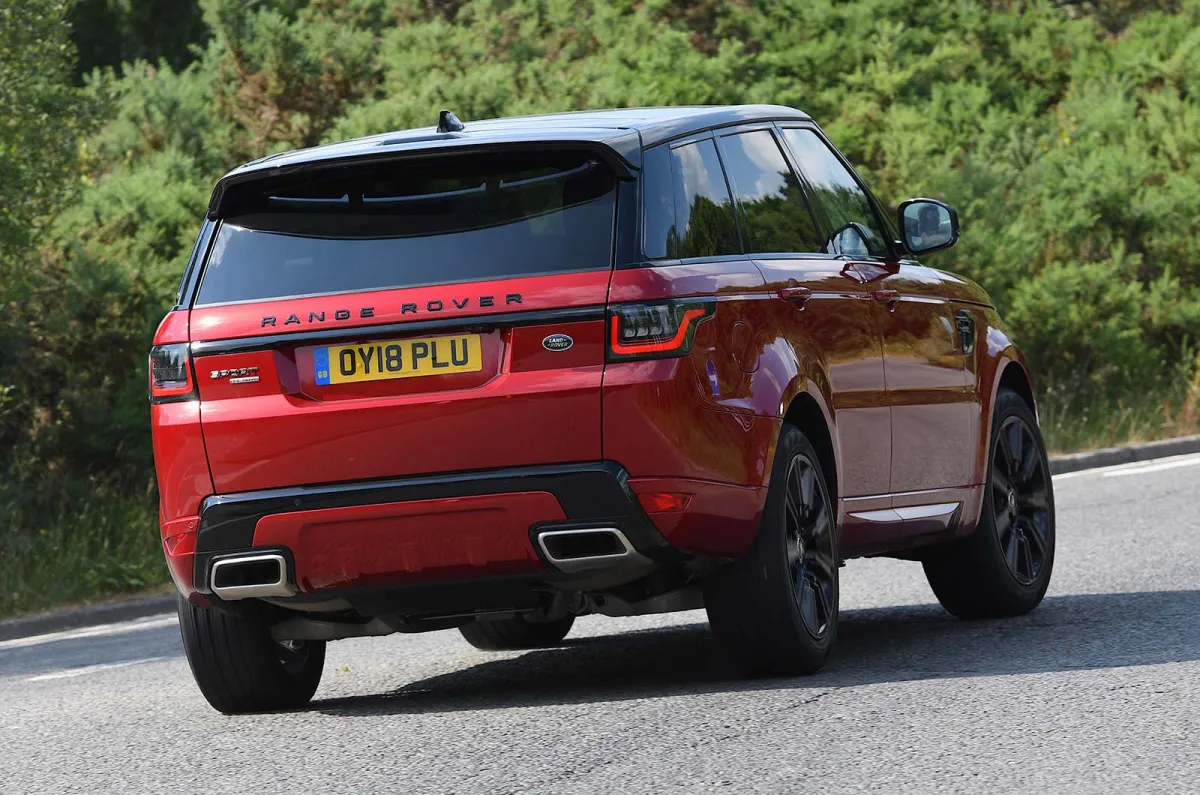
Facelift: In 2018, the Range Rover Sport was given a facelift, with revised styling to bring it in-line with other models from the Land Rover line-up, including the Range Rover Velar. It also gained a revised interior, with a dual-screen set-up for the infotainment, climate and drive mode controls. Pre-facelift cars have a more basic set-up for this, with a single infotainment screen and physical dials and buttons for the climate and drive modes.
advertisment
scroll for more
All the latest deals, offers and much more from the What Car? team. Don't miss out.
See our full privacy notice for more details.
CAPTCHA
This question is for testing whether or not you are a human visitor and to prevent automated spam submissions.
"A truly refined and useful luxury SUV that now its reliability record seems to have improved makes good sense." - Mark Pearson, used cars editor
If you're interested in finding a used Range Rover Sport, or any of the other SUVs mentioned here, head over to the Used Car Buying pages to find lots of cars listed for sale at a great price.
Ownership cost
What used Land Rover Range Rover Sport will I get for my budget?
You can find some high-mileage (100k plus) 2013 cars for around £13,000 now, but you’ll need at least £15,000 to get yourself inside a Range Rover Sport with more reasonable mileage. Look for one with an average mileage from 2016 and you’ll spend upwards of £16,000.
If you’re prepared to spend around £20,000, you should be able to get a good 2018 facelift car with an average mileage and a full service history. For a 2019 or 2020 car, expect to pay upwards of £25,000. Later 2021 and 2022 cars start from around £27,000, while low mileage examples of a similar age cost upwards of £30,000. SVR models are the most expensive, with prices for these starting from around £30,000 too.
advertisment
scroll for more
How much does cost to run a Land Rover Range Rover Sport?
MPG
Choose the 2.0 diesel and the official figures claim an average fuel consumption of 46.6mpg, recorded under the older NEDC tests, with corresponding CO2 emissions of 164g/km. The punchier 3.0 diesel claims 40.4mpg NEDC and a CO2 output of 185g/km, while the 3.0 petrol won’t see more than 30mpg and cars with the rip-snorting supercharged 5.0 won’t better 22mpg.
Under the newer, more realistic WLTP tests, the 3.0 SDV6 diesel claims an average 32mpg, the 2.0 petrol 26.1mpg, the V8 diesel 27mpg and the petrol SVR 18.9mpg.
Road tax
Tax for cars registered before April 2017 is based on CO2 emissions and is therefore heavy for all models. However, those registered after that date will pay tax at a set flat rate, but will also incur the luxury car surcharge because they all cost more than £40,000 when new. The current annual flat rate is £200 a year, and the supplementary luxury surcharge is taxed at £440 a year for five years from year two.
advertisment
scroll for more
Insurance
Insurance costs are high, too, with groups ranging from 44 to 50. Servicing will be expensive, especially if you stick to Land Rover franchised servicing agents. At least many offer fixed-price servicing, payable by direct debit, with plans available for two years plus two services right the way up to five years and five services.
Reliability
The Range Rover Sport received mixed feedback for reliability in our latest What Car? Reliability Survey, based on real-world owner experiences.
Many owners reported faults with the suspension, infotainment and electrical systems, along with warning lights and strange noises. Some faced repeat visits to the dealer, with long waits for parts leaving cars off the road for weeks.
Repair costs were often higher than expected, and while some praised helpful dealers, others said support was inconsistent or dismissive.
The Range Rover Sport may be desirable, but for too many owners, reliability proved a weak spot.
To find out more about Range Rover Sport reliability, you can head to our dedicated page.
Our recommendations
Which used Land Rover Range Rover Sport should I buy?
Engine
advertisment
scroll for more
The SDV6 is the big seller, with plenty of low-down oomph and better fuel economy than most, so that’s the one we’d seek out.
Specification
Entry-level HSE trim keeps the price from getting too silly and comes with lots of equipment, so it’s the level we’d go for.
Our favourite Range Rover Sport: 3.0 SDV6 HSE
Alternatives
What alternatives should I consider to a used Land Rover Range Rover Sport?
The Audi SQ7 is the sporty version of the firm’s luxury SUV. It has prodigious performance, excellent handling and a roomy, high-quality interior. If you can’t stretch to the SQ7, take a look at the standard Q7, which rides exceptionally well.
The Volvo XC90 has a big, classy interior, seating for seven and comes well equipped. It is not as refined as its price tag might lead you to think, but it’s a good used buy and should prove more reliable – just – than the Range Rover Sport.
For all the latest reviews, advice and new car deals, sign up to the What Car? newsletter here
advertisment
scroll for more
If you're interested in finding a used Range Rover Sport, or any of the other SUVs mentioned here, head over to the Used Car Buying pages to find lots of cars listed for sale at a great price.
How reliable is the land-rover Range Rover Sport ?
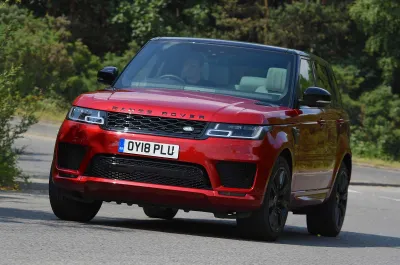
land-rover Range Rover Sport
Read reliability
Used cars available now
In partnership with
Land Rover Range Rover Sport
2.7 TD V6 HSE Station Wagon 5dr
£1,500
Land Rover Range Rover Sport
3.6 TD V8 HSE Station Wagon 5dr
£1,650
Land Rover Range Rover Sport
2.7 TD V6 HSE Station Wagon 5dr
£1,951
Land Rover Range Rover Sport
2.7 TD V6 SE Station Wagon 5dr
£2,000
Land Rover Range Rover Sport
3.0 TD V6 HSE CommandShift 4WD Euro 4 5dr
£2,000
Land Rover Range Rover Sport
2.7 TD V6 HSE Station Wagon 5dr
£2,395
Land Rover RANGE ROVER SPORT
3.0 TD V6 HSE CommandShift 4WD Euro 4 5dr
£2,799
Land Rover Range Rover Sport
3.0 TD V6 HSE CommandShift 4WD Euro 4 5dr
£2,980
Land Rover Range Rover Sport
3.0 TD V6 HSE CommandShift 4WD Euro 5 5dr
£2,995
See all available cars
About the writer

Name: George Hill
Title: Used car writer
Follow George Hill on
George Hill first joined the What Car? team as a staff writer in 2021, before becoming a used car writer in 2024 and a reviewer in 2026. In his current role he writes new car reviews for What Car? magazine and whatcar.com.
If you follow What Car? on social media, you might see him presenting the odd video on new cars too.

Name: Mark Pearson
Title: Used cars editor
Follow Mark Pearson on
Mark Pearson has been a motoring journalist for more than 15 years and is currently the used cars editor for What Car?.
Mark spent his formative years at the BBC, where, at various times, he scheduled, broadcast and archived television and radio programmes and researched, wrote and produced promotional material.
News and advice
Sponsored
What Car? Reliability Survey: Most and least reliable car brands
Revealed: the car manufacturers most and least likely to keep you out of trouble, according to the experiences of readers who took part in our latest Reliability Survey
Sun Oct 11 2026
Sponsored
Best used SUVs
You want an SUV? From cheap and cheerful to lavish seven-seater ones, the used car market has them all. Here are our top 10 used SUV recommendations
Mon Oct 5 2026
Best of
Best luxury cars 2026 – tested, rated and the ones to avoid
A luxury car should have sumptuous materials, ride comfort worthy of a magic carpet, and a super-smooth engine. Here's our run-down of the top 10, and the one we'd avoid
Thu Sep 17 2026
News
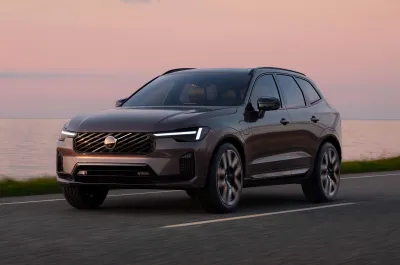
Volvo XC60 and XC90 gain new plug-in hybrid engines with up to 124 miles of range
Volvo’s plug-in hybrid SUVs will have class-leading all-electric range
Tue Sep 15 2026
See all latest advice